Instrumental rigor, evolving spaces
Composer and academic working at the intersection of contemporary instrumental composition, computer music, artificial intelligence, and spatial audio. Assistant Professor at Istanbul Technical University (İTÜ MIAM).
Featured Projects
TrajSynth, Fixed Media Spatial
For 32-channel diffusion on CRANE lab's 32.2 volumiphonic device (Burgundy, France). Explores sonification of dynamic numerical processes and latent vectors generated by AI training loops.
Signal flow, For UMS & JIP
Voice: Javier Hagen (JIP)
Recorder: Ulrike Mayer-Spohn (UMS)
Inspired by signal flow
and processing, the composition unfolds in three parts and an interlude.
Glissandi gradually fragment into individual frequencies, generated with AI,
before recombining in the final section. An interlude features Franz Kafka’s Die
Bäume, with the voice tracing the precisely defined melodic lines.
Composed for UMS'nJIP, the
work was performed at various venues in Switzerland. This recording was made at
Kunstraum Walcheturm, Zürich, on 12 April 2024, as part of the ensemble’s
Turkey project.
NEuripides, Fixed Media Spatial
For 4-channel diffusion based on four artificial neurons. Premiered at Hochschule für Musik, Theater und Medien Hannover, Germany.
String Quartet No. 3
String Quartet
No. 3 explores the dialogue
between technology and tradition. Composed in Ableton Live using a custom
Max/MSP patch, four interacting oscillators expand the quartet’s sonic palette.
The material was subsequently transcribed into conventional notation.
Premiere: MIAM 25th Anniversary Gala, November 2024, Kamran Ince, Ceren Türkmenoğlu (Violin I), Seçil Işıksoy (Violin II),
İlay Öztürk (Viola), Gözde Yaşar (Cello).
Motion, In Two, For Solo Violin
Awarded Third Prize at the 2nd Karol Szymanowski Composition Competition 2023. Constructed using the Selective Subtraction method.
Works Catalogue
Upcoming work for solo violin. Dedicated to and performed by Matthew Hakkarainen.
Commissioned by MAPS OF SOUND: Voices of Anatolia. Performed at the METU Archaeology Museum, Ankara, Türkiye, by Ayça Malkoç (flute) and Deniz Sevinç (guitar). Second performance at the Goethe-Institut, Ankara, Türkiye, 26/06/2026.
Selected for the Osmose Festival 2025, Brussels. Performed by Benjamin Maneyrol.
Selected for the Osmose Festival 2025, Brussels. Performed by Duo Dipsô (Geneviève Lannoy and Jona Kesteleyn).
Performance of String Quartet No. 3 as part of the MIAM 25th Anniversary Gala, conducted by Kamran Ince.
String Quartet No. 3 is
the result of exploration of technology and tradition. The piece was composed entirely within Ableton Live, utilizing a custom Max for Live (M4L)
patch that I developed using Max/Msp visual programming environment. At its core, the
composition is driven by four oscillators that interact and blend, each contributing to the
sonic fabric of the work. The transcription of the material from Ableton into conventional notation
was undertaken at a subsequent stage of the process. These synthesized elements
aim to engage with and expand upon the timbral palette of the string quartet,
an ensemble whose sonic possibilities have been continually redefined since its
establishment in the common practice era.
This work received its
premiere during the MIAM 25th Anniversary Gala in November 2024, commemorating
a quarter-century since the department's founding.
Conductor: Kamran Ince
Violin I: Ceren Türkmenoğlu
Violin II: Seçil Işıksoy
Viola: İlay Öztürk
Cello: Gözde Yasar
Impulse New Music Festival 2024, San Francisco / Los Angeles, USA. Performed by Brightwork Ensemble.
UMS 'n JIP Ensemble commission. Performed across Switzerland; recorded at Kunstraum Walcheturm, Zürich.
Voice: Javier Hagen (JIP)
Recorder: Ulrike Mayer-Spohn (UMS)
This composition is
inspired by the flow of the signal in systems and its processing. It comprises
three parts and an interlude. In the first, the glissandi imitate the ups and
downs of a pure tone with the steepness varying. After a while (second part),
these lines are shredded, ending up in individual frequencies. I used AI to
produce this part. The last part is a combination of the glissandi and the
frequencies and it is prepared by an interlude where the lines are defined
precisely with the voice following the verse of Franz Kafka’s Die Bäume:
Denn wir sind wie
Baumstämme im Schnee. Scheinbar liegen sie glatt auf, und mit kleinem
Anstoß sollte man sie wegschieben können. Nein, das kann man nicht, denn sie
sind fest mit
dem Boden verbunden. Aber sieh, sogar das ist nur scheinbar.
This work is composed for
UMS'nJIP and performed in various venues in Switzerland. The specific recording
was realized in Zürich, Kunstraum Walcheturm on the 12/04/2024, 8pm as part of
the ensemble's Turkey project along with works by Deniz Hatipoğlu, Tokzhan
Karatai, Yunus Eren Kirmizigül, Şahin Kureta, Ata Gökalp Öz, Gökçe Türkoğlu
(all Swiss Premieres), Onur Dülger, Reuben de Lautour and Mehmet Ali Uzunselvi.
Selected for a concert series organized by the Friends of Music Society, Athens, commemorating its 70th anniversary. Piano: Eleni Liggri
Third Prize, 2nd Karol Szymanowski Composition Competition 2023. Performed by Sofia Manvati, Sara Dragan, Matthew Hakkarainen, and Yurina Arai.
outHEAR New Music Week 2020, Klangforum Wien, and PPCM performers commission. Flute: Gregory Chalier; Elena Arbonies: clarinet (Bb, Bass); Gerald Preinfalk: alto saxophone; Krassimir Sterev: accordion.
Commissioned by MIAM, Istanbul, Türkiye. Conductor: Kamran Ince.
Manolis Ekmektsoglou:
Like we`ve met before... (2019)
for Sopranino/Alto Recorders & Accordion
performed by Windspiel
Contemporary Music Duo, Verena Wüsthoff & Eva Zöllner
Listen to the work here: soundcloud.com/windspielduo/manolis-ekmektsoglou-like-weve-met-before-2019-for-recorder-and-accordion
live recording of the
world premiere
May 16th 2019
MOMus-Experimental Center for the Arts (Warehouse B1, Thessaloniki Port), Labor
Beethoven 2020, Platform Thessaloniki
Labor Beethoven 2020 ist
ein Projekt der Akademie der Künste. Gefördert durch die Beauftragte der
Bundesregierung für Kultur und Medien im Rahmen von BTHVN 2020.
This piece was commissioned by the Academy of the Arts, Berlin (Akademie der Künste, Berlin) as part of the "Labor Beethoven" project funded by the Academy of the Arts, Berlin. Premiere: 24/02/2019, Parizer platz, Akademie der Künste, Berlin.
Violin: Zoe Pouri, Harp: Alice Belugou, Trombone: Paco Olmedo. Labor Beethoven 2020 ist ein Projekt der Akademie der Künste. Gefördert durch die Beauftragte der Bundesregierung für Kultur und Medien im Rahmen von BTHVN 2020.
Performance date:
25/10/2019
Place: Hannover Musik Hochschule
Axe&Pile trio, Berlin
Electric Guitar: Seth Josel
Percussion: Michael Weilacher
Cello: Cosima Gerhardt
DMW / SHE Sommerliche
Musiktage Hitzacker 2018 / Labor Beethoven 2018-2020 project,Akademie der
Künste, Berlin
Deutsche Musikwettbewerb 2018; licensed by Studio Hamburg Enterprises GmbH. Conductor: Manolis Ekmektsoglou.
Sommerliche Musiktage
Hitzacker 2018 part of Labor Beethoven 2018-2020 project, funded by the
Akademie der Künste, Berlin.
“McVitie’s Disease”, was
recorded by NDR Kultur on August 2nd, 2018 at Verdo Konzertsaal in Hitzacker,
performed by the
pricewinners and fellows of the Deutsche Musikwettbewerb 2018 and and licensed
by Studio Hamburg Enterprises GmbH (SHE.
Alle im Rahmen des Labors
Beethoven entstandenen Werke sind Kompositionsaufträge der Akademie der Künste,
Berlin, gefördert durch Mittel der Beauftragten der Bundesregierung für Kultur
und Medien.
McVities Disease is based on a poem of the same title written by the English poet Bernadette O' Horo. The usage of short phrases and some signal words marked in bold in the text defined much of the work's character. "McVities" is a British snack food brand. The perplexed mental images the poem brings to the reader are depicted from a tenor lost in their own words juxtaposed with the gestural instrumental phrases. All in all, everything is a matter of emotional expression. This refers first and foremost to the emotions I want to share with the audience through the work.
Tenor: Martin Nagy
Baritone: Guillermo Anzorena
Bass: Andreas Fischer
Bernadette O Horo is a
poet who lives in Bradford, UK. In her texts she deals with the social problems
of our times, like discrimination, immigration and racism. Her tongue is sharp,
her sentences are short and full of complaint and sometimes anger. It is
exactly this aspect of her poetry that makes me hear sounds each time I read
it; sounds that form the material from which the form of the piece emerges.
Performed in
EARTH#SKY#SPACE festival in 22/06/18, Hannover.
Conducted by Andreas Felber. Vocalensemble der HMTMH.
Fall, leaves, fall
by Emily Bronte
Fall, leaves, fall; die,
flowers, away;
Lengthen night and shorten day;
Every leaf speaks bliss to me
Fluttering from the autumn tree.
I shall smile when wreaths
of snow
Blossom where the rose should grow;
I shall sing when night’s decay
Ushers in a drearier day.
Selected for Crossroads Festival, Salzburg; premiered by NAMES Ensemble, conducted by Oscar Jockel.
In architecture, a
gargoyle is a carved or formed grotesque with a spout designed to convey water
from a roof and away from the side of a building, thereby preventing rainwater
from running down masonry walls and eroding the mortar between. This concept inspired
back in the 90’s the creation of the Gargoyles American animated series that
features a species of nocturnal creatures that turn to stone during the day.
After spending a thousand years in an enchantedly petrified state, the
gargoyles are reawakened and take on roles as the city's secret night-time
protectors.
Following this concept, I
based my piece on this specific dramaturgy. In the beginning, Gargoyles are in
petrified state; then, as night approaches, the stone breaks and they slowly
turn into humans and start their activity under the moonlit sky. After several
hours and having their mission accomplished, they turn again to stone, waiting
for the next night to come.
This piece was
commissioned by the Crossroads festival 2017 in Salzburg and is heartily
dedicated to New Art and Music Ensemble (NAMES)
Instrumentation: Flute,
Clarinet in Bb, 2 violins, Cello, Marimba, 2 pianos.
Crossroads Festival, Salzburg; premiered by Synaesthesis Ensemble, Lithuania.
The form of
Ripping…having…standing…oben!! follows a certain path that is traced from the
words of the title. Piercing sounds rip the silence, whereas bold sounds are
formed by all instruments having audience’s attention, either standing or going
above and below the middle registers of the instruments. But I should not
delude myself. Whatever the case, all these sonic situations are used in the
piece to create figures that express emotional states.
This piece was
commissioned by the Crossroads festival 2017 in Salzburg and is heartily
dedicated to Synaesthesis - Contemporary Music Ensemble.
Instrumentation: Clarinet
in Bb, Alto Saxophone, Percussion (Glockenspiel, Vibraphone 1 player), Electric
Guitar, Double Bass, Piano.
Twisted Fingers, is a
Music Theater piece or short opera based on a poem by Bernadette O’ Horo for
the International HIV day (1st December).
The work took its
performance on 3 June 2017 in St Martin's Church, York. Commissioned by the
Resolution of Sound project.
Organisers: Samra Mayanja,
Sapphire Clare Littler.
Soprano: Emily Hodkinson
Narrator: Bernadette O’ Horo
Flute: Lottie Brook
Violin I: Catherine Robson
Violin II: Ella Coen
Little Mass No. 2 is the
second piece of a composition cycle I intend to realise. The most striking
characteristic of these pieces is that although they are composed for small
ensemble, they try to highlight sound mass as a primary textural feature. This
is the driving force behind some choices I made in this piece, particularly
with respect to dynamics and register.
Regarding the first of
these parameters, the instruments rarely play in the same dynamic level at the
same time. This happens precisely because we need a very equal dynamic balance
in order to produce sound mass, but the three instruments used in the piece
vary in terms of absolute dynamic level. A typical dynamic combination used
extensively throughout the composition is the following:
Saxophone: pp, Accordion:
mp, Cello: mp
The other parameter refers
to the choice to have the instruments play in the same register. This creates a
dizzying sound in which the individual lines become “meaningless as individual
events” and are “subordinate to the total aural effect”; resulting in the
desired sound mass.
The Little Mass No. 2 for
tenor saxophone, accordion and cello was written specifically for the 2016
MIXTUR festival in Barcelona and is dedicated to the ensemble Regards.
Maï Toyama – Saxophone
Fanny Vicens – Accordion
Jeanne Maisonhaute – Cello
Commissioned by Psappha Ensemble, Manchester. (Second perf: MISE-EN Festival NY 2022). Recorded at St Michael's, Ancoats, Manchester on 25th March 2016 Psappha Ensemble - Dov Goldberg - Clarinet
This is a live recording
of my trio "Sustaining Love", for bass clarinet, violin and piano,
realized by the AMGA ensemble in Hong Kong.
As a genuine
implementation of my own composition technique, called “Selective Subtraction
of Tone and Rhythm material”, Sustaining Love refers to a method of creating
the form of a piece based on a selective subtraction of pitches, rhythms, even
dynamics and patterns. For the particular piece, I created a number of patterns
for the bass clarinet and the violin and a chord sequence for the piano through
a multi-layered process, which is a part of the same technique. Once this
preliminary step was completed, the Selective Subtraction technique was
implemented in the formed material, anew. It was then I realized that, what the
first implementation gave was a pattern which was bringing persistently in my
mind a continuous talk, a girl confessing to her lover her sustaining loyalty
and love.
This work was first
performed by the Diotima Quartet in 2016, and later on June 13, 2018, as part
of the Kinetic Nights #3 Manchester
Festival by
The String Quartet No. 2
is a five-movement composition based primarily on texture transformation. To
achieve this, several approaches are employed, including harmonic permutation,
melodic patterns, fluctuation of dynamics and extended playing techniques. In
addition, the acoustic characteristics of each instrument’s tonal range were
manipulated; the resulting effects on timbre and sonority underpin subsequent
texture modulation and texture change. The development of a clearly defined
idea throughout each individual movement is the major characteristic of the
String Quartet No. 2 that results in a consistent form. The form is also
stimulated by clarity in musical style and the avoidance of redundant,
excessively complicated notation.
This work was first performed by the Diotima Quartet in 2016, and later on June 13, 2018, as part of the Kinetic Nights #3 Manchester Festival by
The String Quartet No. 2 is a five-movement composition based primarily on texture transformation. To achieve this, several approaches are employed, including harmonic permutation, melodic patterns, fluctuation of dynamics and extended playing techniques. In addition, the acoustic characteristics of each instrument’s tonal range were manipulated; the resulting effects on timbre and sonority underpin subsequent texture modulation and texture change. The development of a clearly defined idea throughout each individual movement is the major characteristic of the String Quartet No. 2 that results in a consistent form. The form is also stimulated by clarity in musical style and the avoidance of redundant, excessively complicated notation.
Written for Andersson–Gallois–De Saram Trio, University of York, UK.
Performed by DissonArt Ensemble strings, Thessaloniki. Featured on The Composers Circle.
SOUNDIFF Project anthology of solo cello works in Italy. CD released in March 2014. Cello: Elia Ranieri.
Collaborative Miniature Project; performed in Thessaloniki by DissonArt Ensemble.
Performed by Kostas Hanis (TSSO venue) and Dark Inventions Ensemble (York 2015).
Ballet score performed by DissonArt Ensemble.
Ballet composition. (Score not available).
Contemporary Music Workshop, Athens Concert Hall. (Score and recording not available).
Research & Mentality
“Outside-time sketch” project
This project presents an alternative approach for creating compositions for performers plus electronics, in contrast to the standard AI methods developed for music over the past 30 years. Despite their robust construction, the latter seem less useful to contemporary composers who pursue aesthetic directions that have shaped experimental music since the 1950s and that focus on texture and timbre.
An upcoming publication of mine in the MIT Computer Music Journal (Volume 48, Issue 4) explores the impact of emerging AI technologies on music composition and performance. It also proposes an alternative approach to generating textural and timbral transformations in mixed-media composition through the use of a dynamically trained neuron. The link to the article will be available here soon.
This study begins with an overview of the categories of AI-based autonomous and interactive composition, examining selected projects considered notable by scholars, with an aim to assess their usefulness for contemporary music. Then an alternative method for experimental composition is introduced, employing a Max for Live patch in which a simple neural network model controls an audio plug-in. Consisting of a single neuron, the model is not designed to emulate human intelligence but generates complex modulation functions. The patch’s use is examined through results from two performances of the composition Outside-time Sketch.
The article describes artistic and technical implications, the project’s relation to those discussed in the overview, and other methods for shaping and expanding the neuron’s input. Future directions include the elaboration of this approach to use recorded sound samples in electronic music composition and spatial music.
Selective Subtraction of Tone and Rhythmic Material
How can musical form evolve within a contemporary psychological framework? Is it more challenging to compose long or short pieces, and can questions of “morality” in compositional decisions serve as evidence of a composer’s skill? My musical interests revolve around a personal composition method that I began developing during my integrated master’s studies in Thessaloniki, which eventually became the focus of my PhD research in York.
Initially conceived as a preliminary stage for instrumental composition, since 2017 my method—“Selective Subtraction of Tone and Rhythmic Material” – has evolved into a compositional and sculptural tool. It begins with the careful selection of musical material, defining a framework of tones and rhythms that iteratively refines and combines to shape the final composition.
More broadly, this approach can be understood as an instance of subtraction as a generative principle—a principle that resonates across visual art, algorithmic processes, and AI-driven musical composition.
Journal Articles & Books
Composing for Performers and Electronics Using a Dynamically Trained Neuron as an Effects Modulator
Automation and AI in Spatial Music
Monograph exploring algorithmic automation, machine learning models, and evolutionary paradigms for spatial audio diffusion and spatial composition.
Composing with Max/MSP: From Random to AI Sonification
A hands-on book on composing with Max/MSP, from random and algorithmic methods to neural networks and sonification.
Draws on five years of research and the author’s own works, linking programming to compositional thinking for composers and electronic musicians.
Musical Practices in the Contemporary World
A handbook surveying the main compositional practices in new music from the 1970s to today, including music theater, conceptual art, found sounds, extended techniques, installation, video, spectralism and soundscape, with examples from the contemporary repertoire.
Combining history, criticism and practical guidance for composers and students, it also discusses noise, gesture, texture, complexity, randomness, tradition and tonality in 21st-century music.
Tradition and Modernity: The Formal and Synthesis Elements of K. Penderecki’s Flute Concerto
Analyzes how Penderecki combines historical and contemporary compositional techniques in his Flute Concerto (1992), resulting in a lyrical, classically balanced work.
Examines form, scale structure, texture and hierarchical event structures to show how the concerto’s separate structural elements are assembled into a unified whole.
Biography & Academic CV
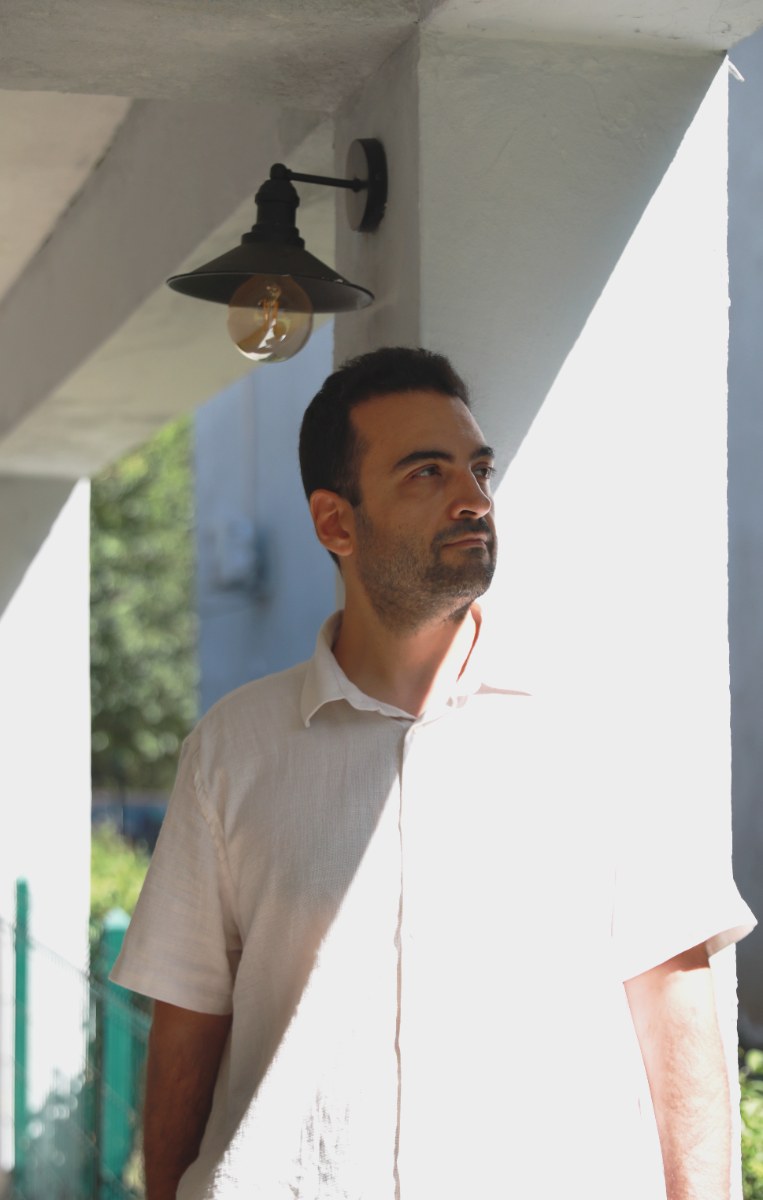
Dr. Emmanouil Ekmektsoglou
Assistant Professor of Instrumental and Electronic Composition
Istanbul Technical University (İTÜ MIAM/TMDK)
Academic Profile
Composer and academic working at the intersection of contemporary instrumental composition, electronic and computer music, artificial intelligence, neural networks, algorithmic processes, and spatial audio. Assistant Professor of Instrumental and Electronic/Computer Music Composition at İTÜ MIAM since 2019, teaching composition and interdisciplinary practices in English. Artistic and research work combines composition with bespoke computational systems developed in Max/MSP, Max for Live and Ableton Live, with a particular focus on AI-assisted sound processing, real-time interaction and multichannel spatialization.
DOI: 10.7816/idil-12-103-05. Article PDF
Draft available here.
ITU Co-Learning Lab 2025
Video documentation
Seminar recording
SoundCloud recording
Gallery
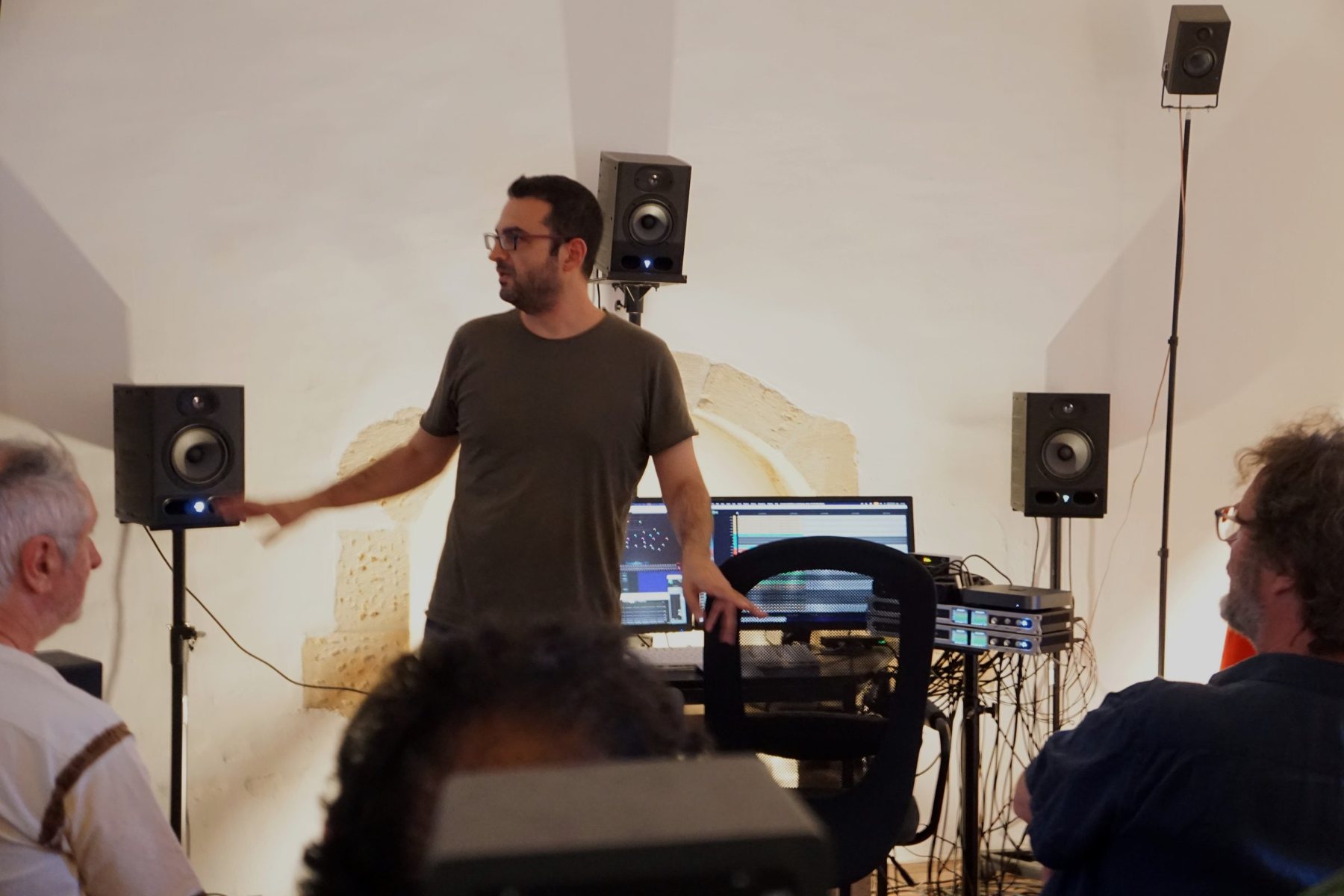
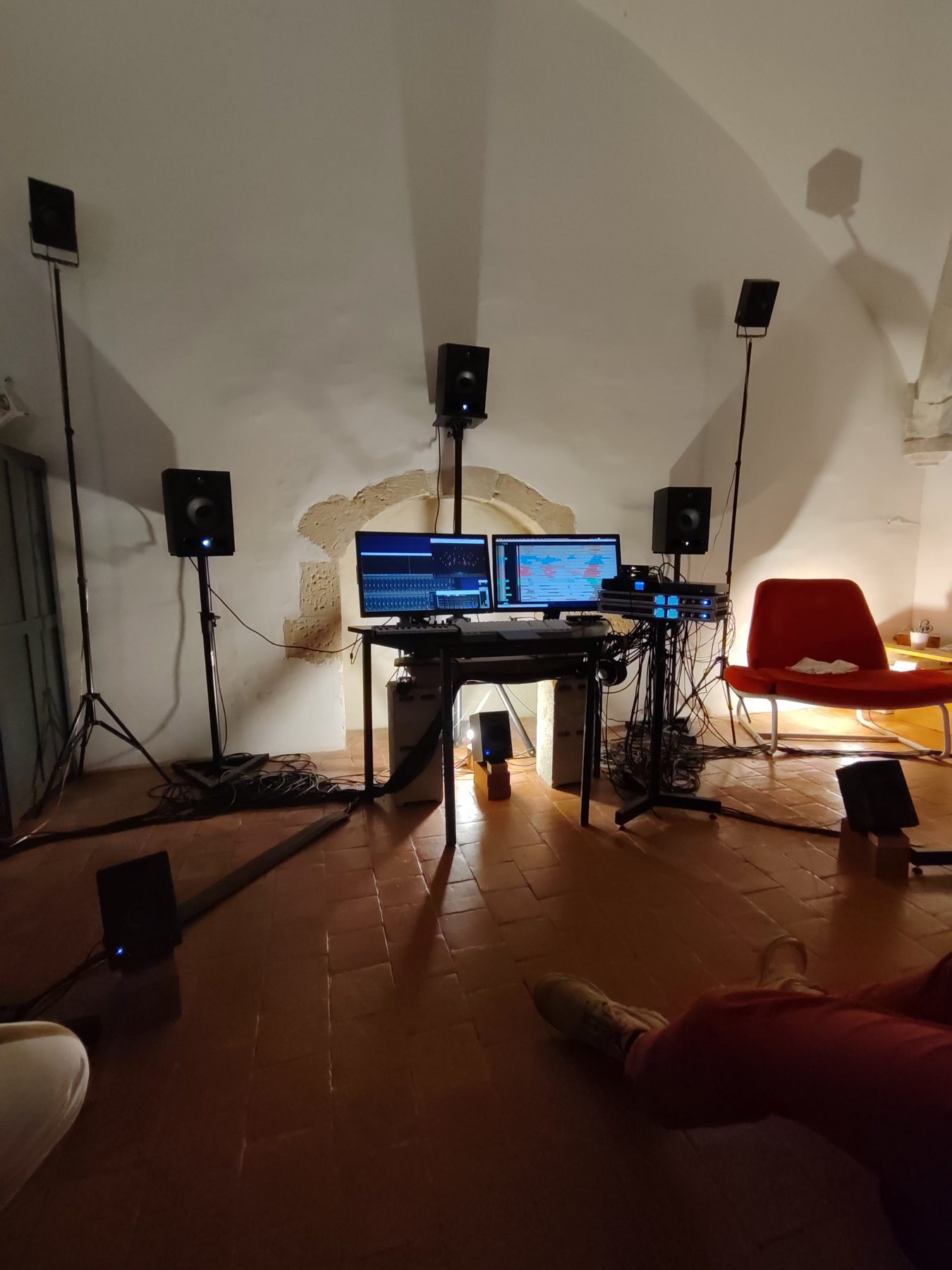
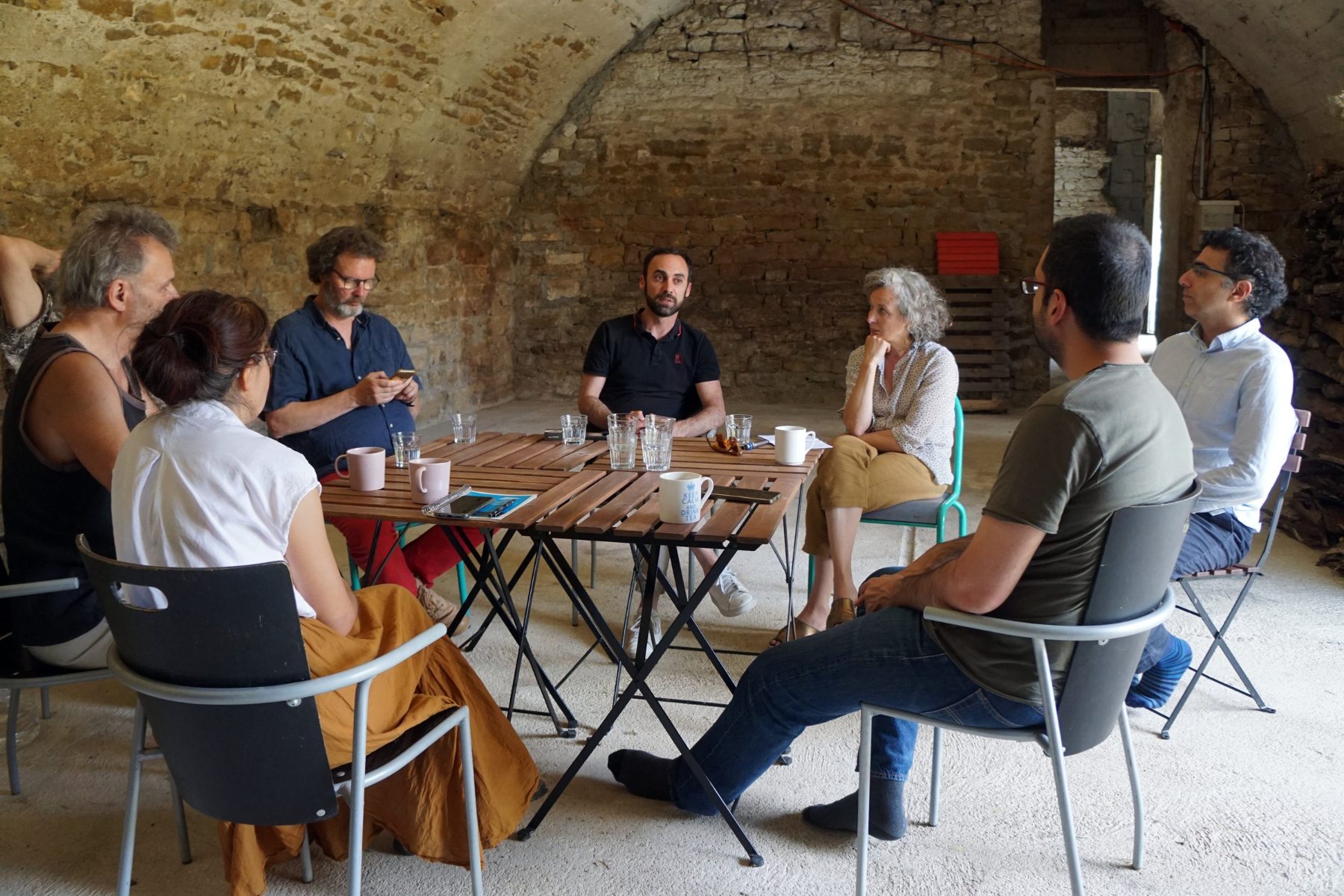
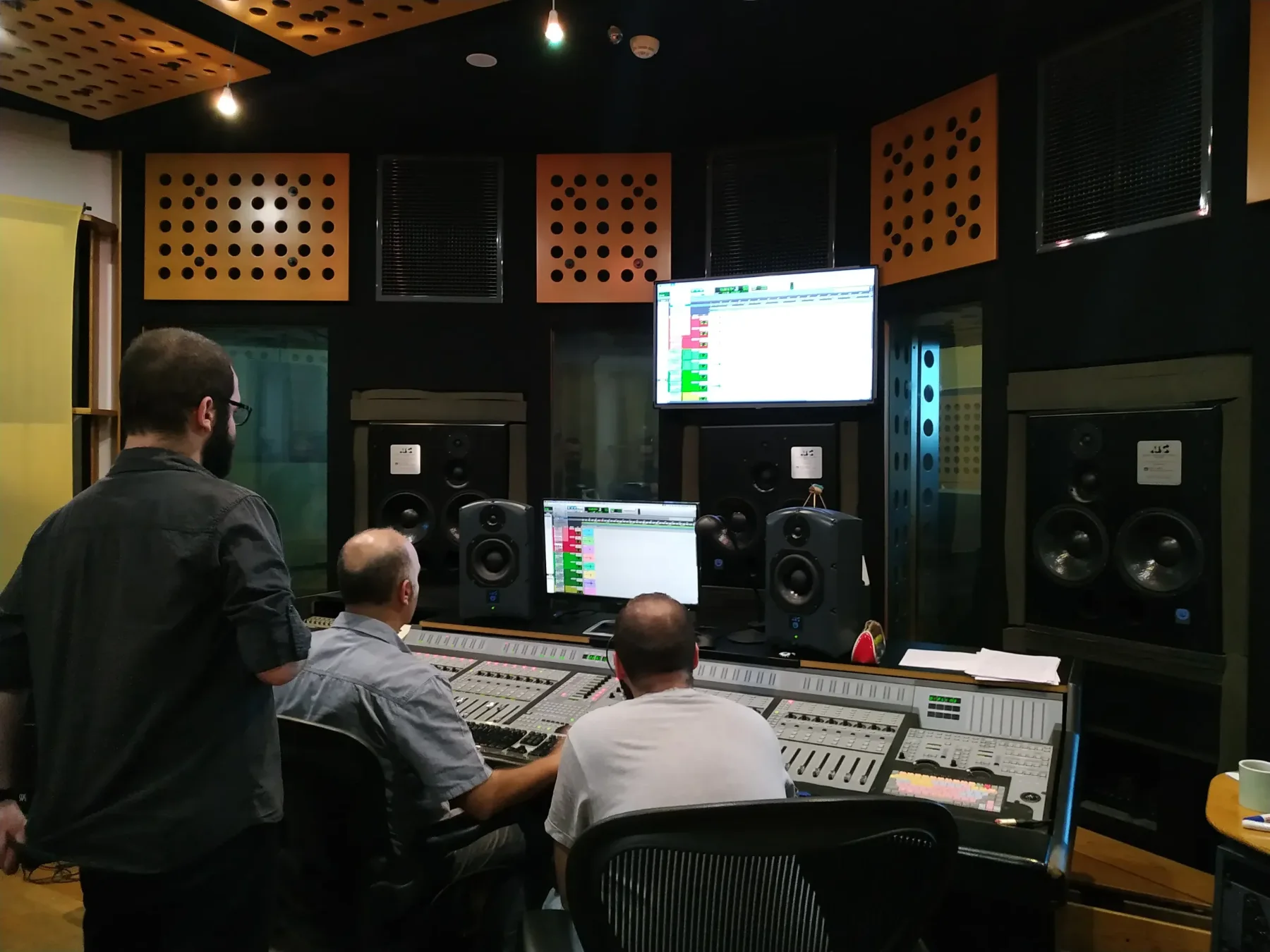
Jean Voguet's Volumiphonic 32.2 Device Residency, Burgundy

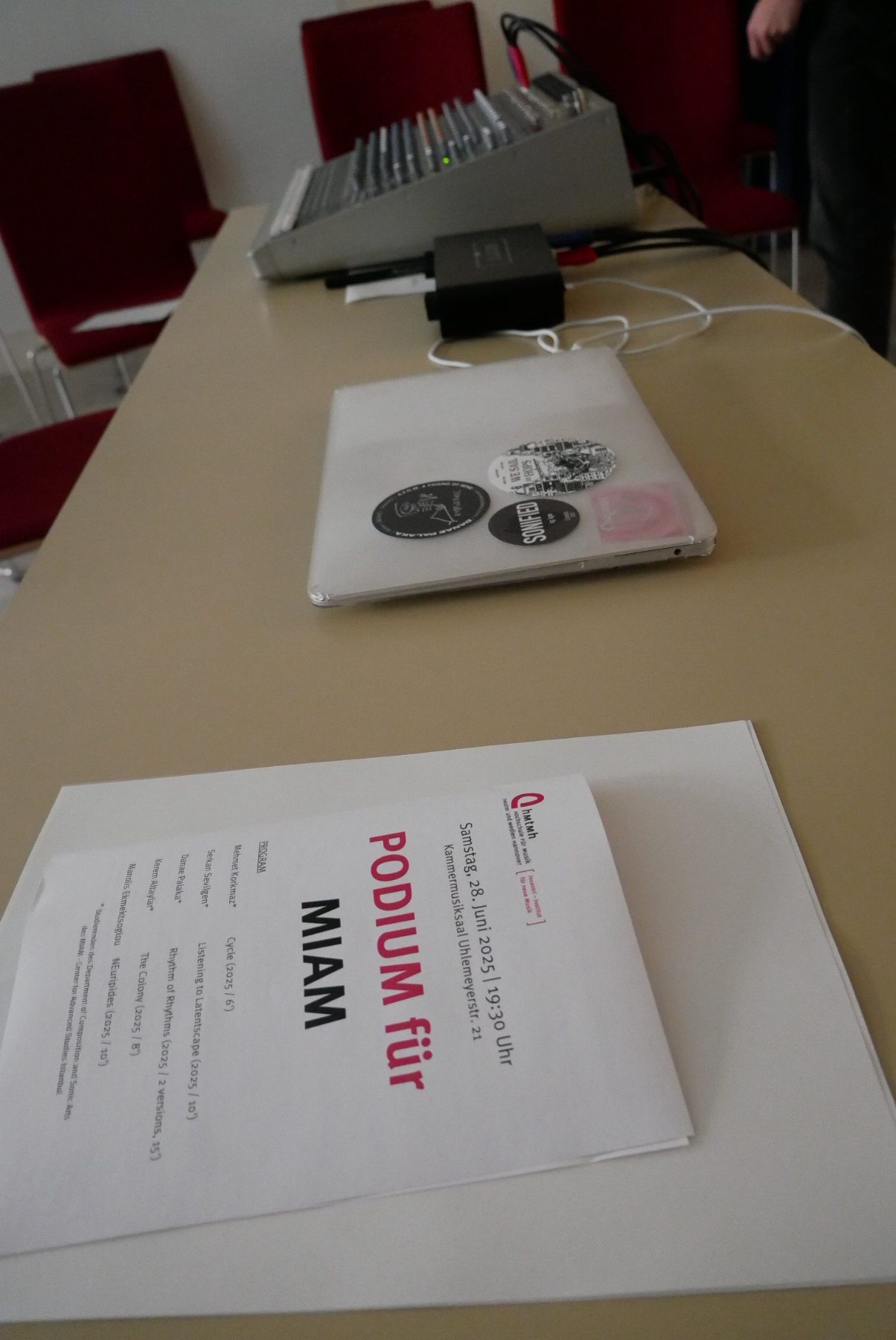
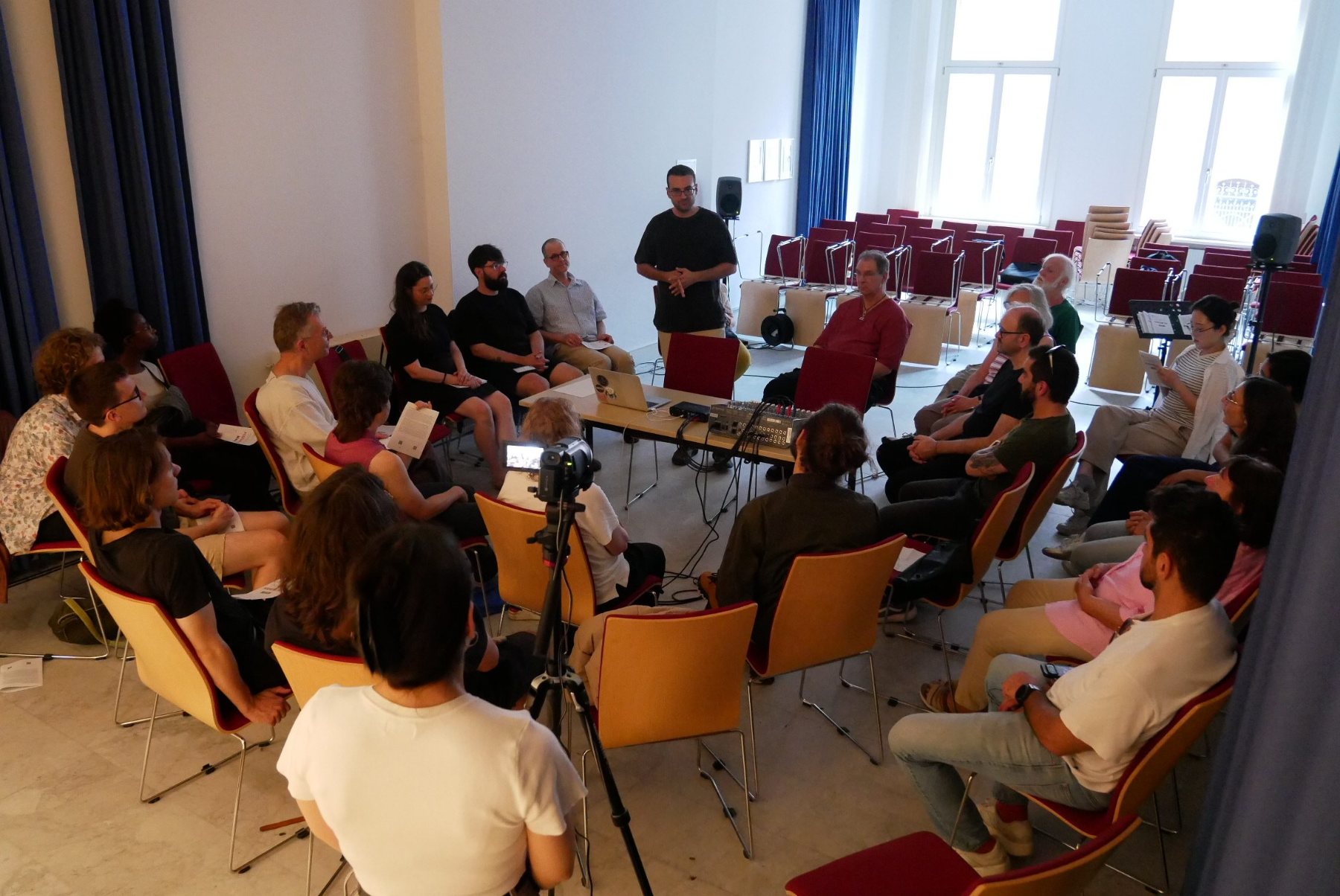
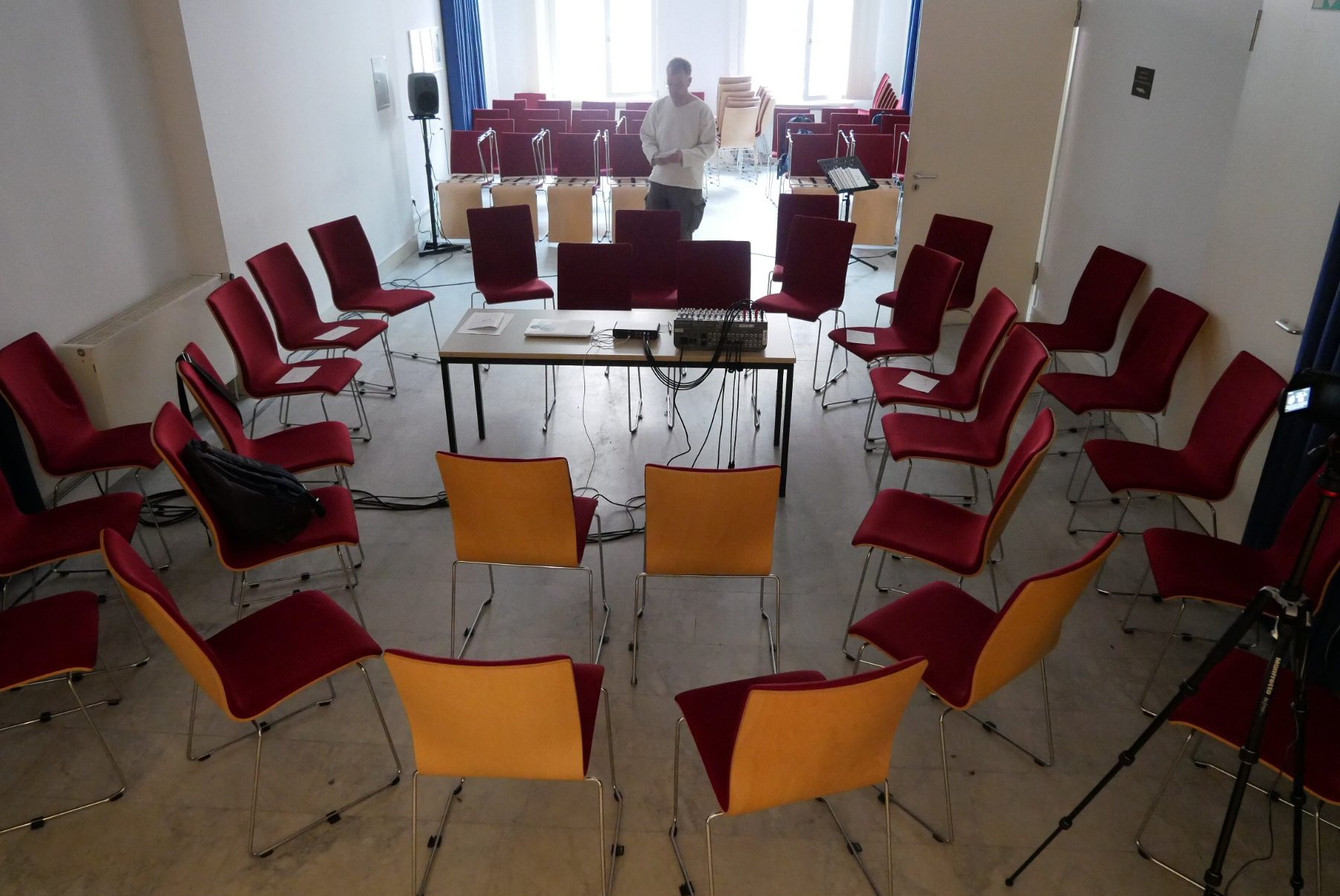
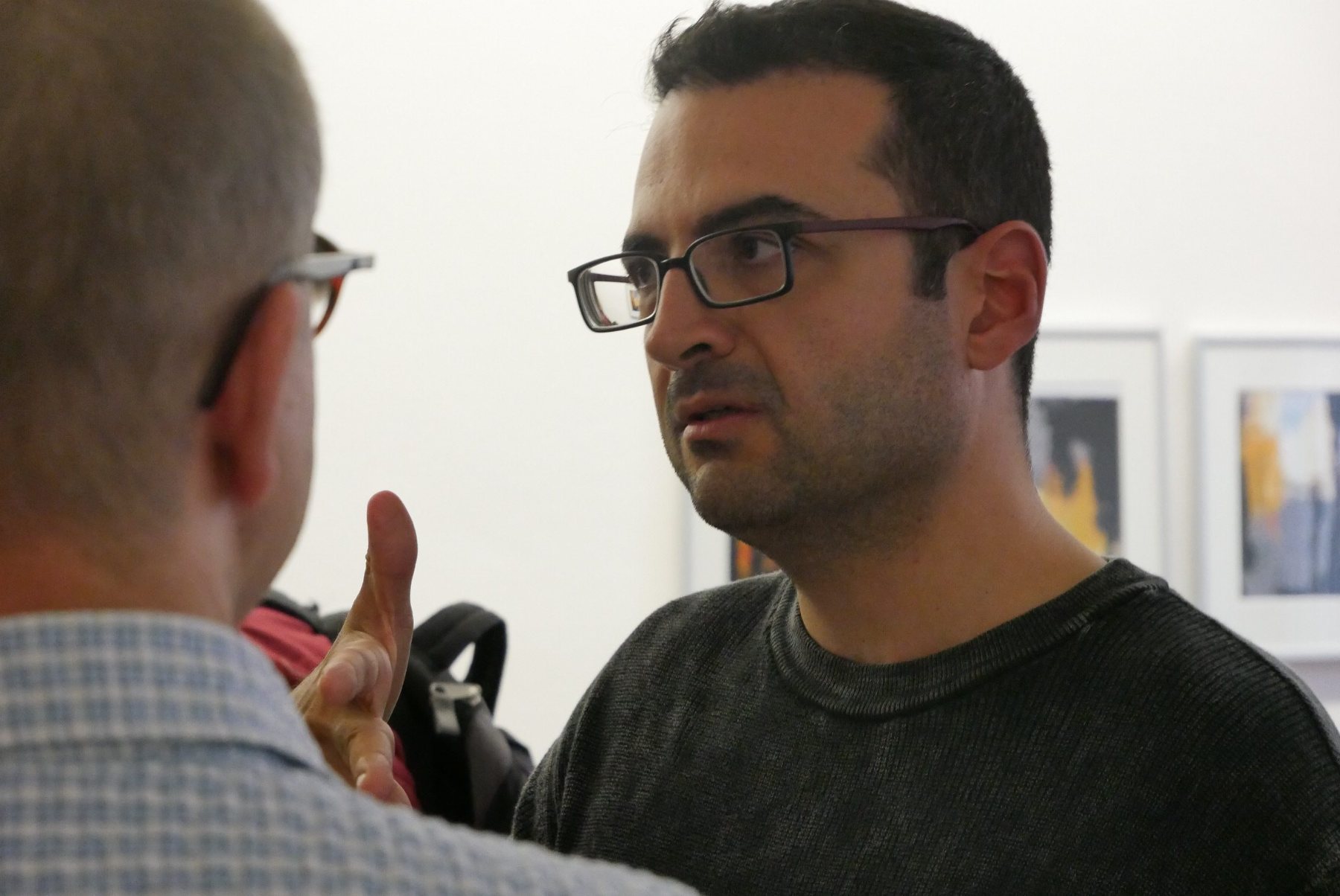
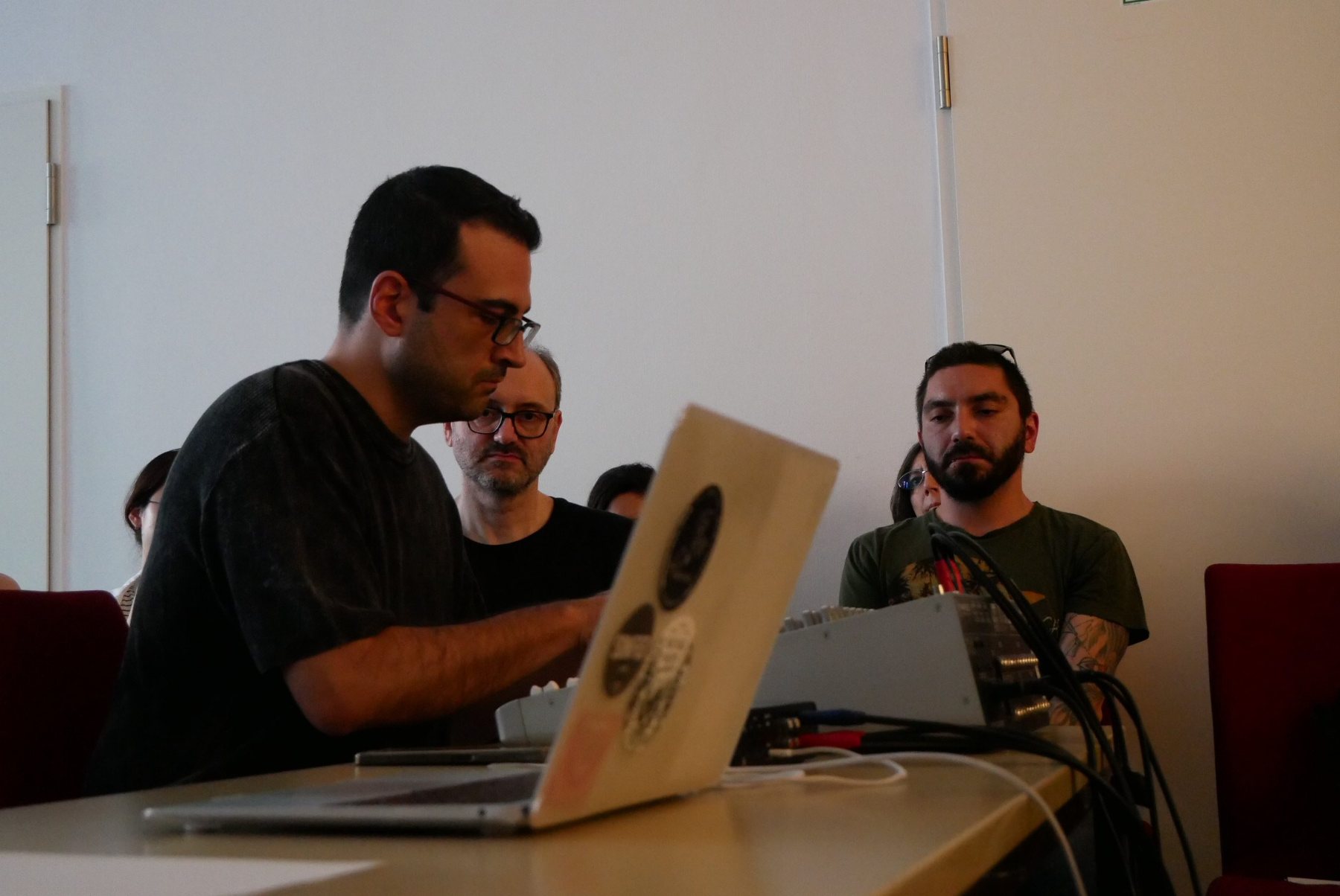
Academic Exchange In Hannover Musikhochschule (HMTMH)
Kammermusiksaal Uhlemeyerstraße concert setup with students pieces and my NEuripides fixed media work with live 4-neuron DSP spatialization framework. June 2025.
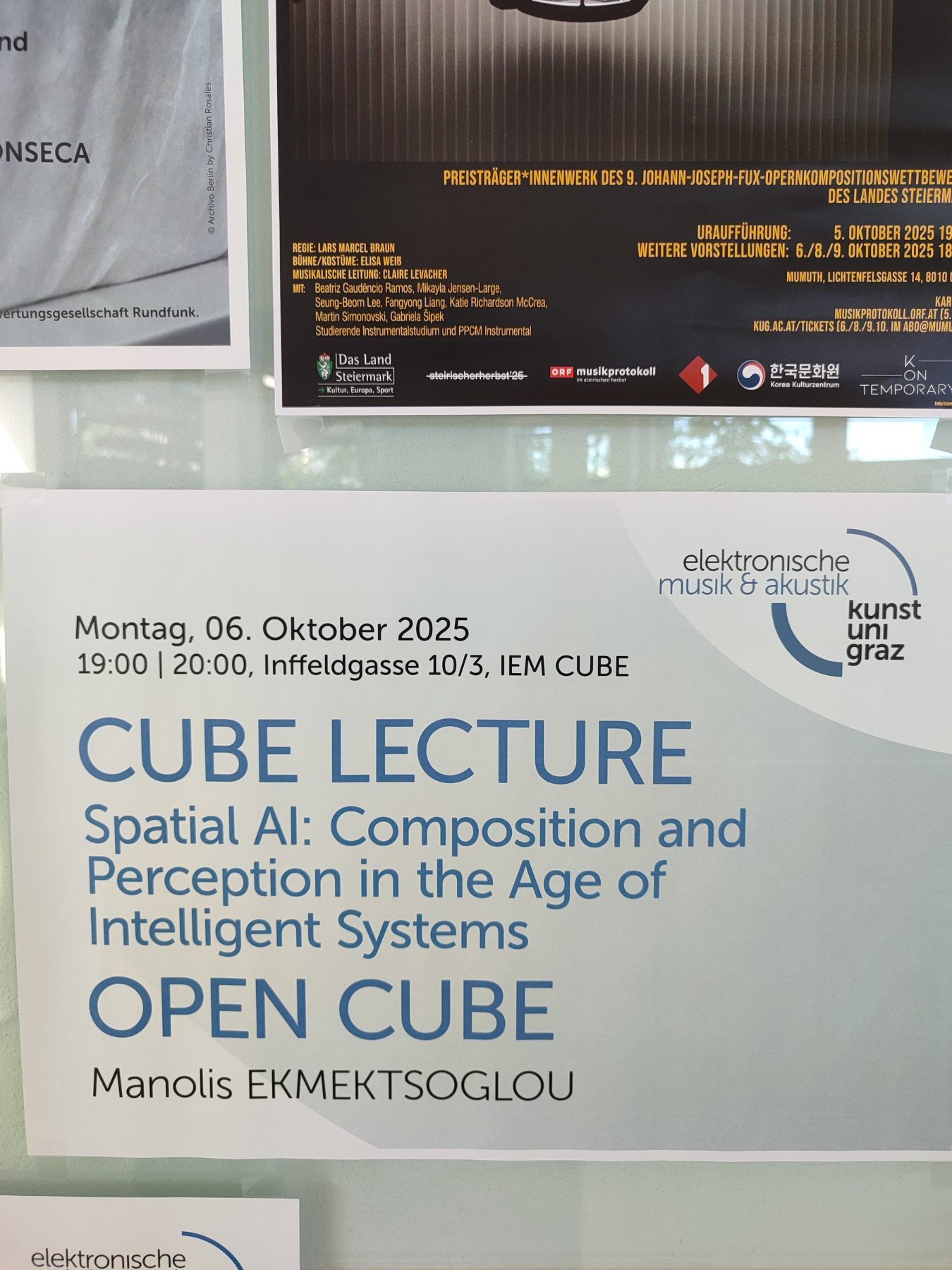
IEM KUG Residency, Graz
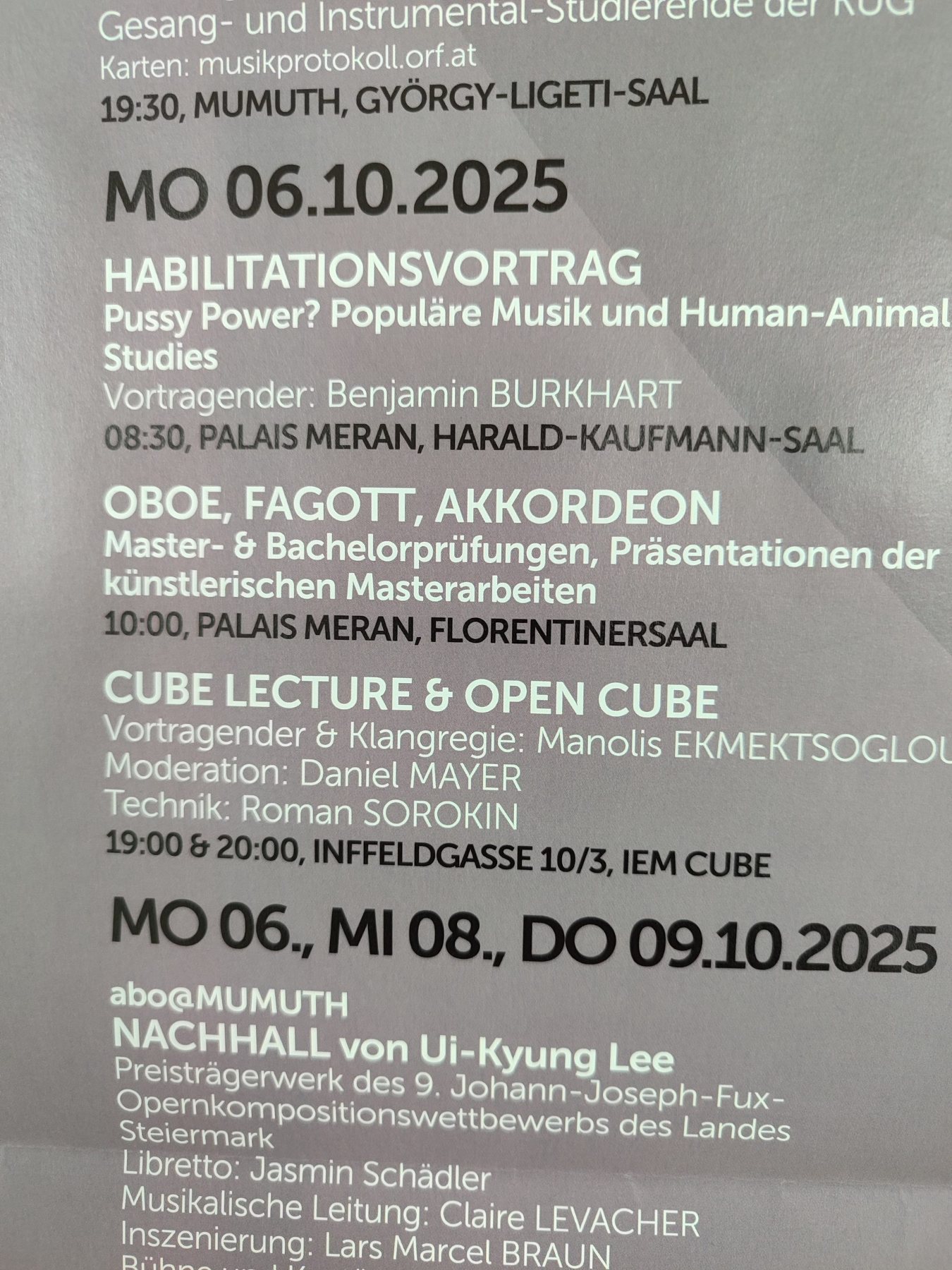
Documentation of the 24-channel loudspeaker hemisphere utilized during the artistic residency for Humbaba, Meditation, and Outside-time Sketch No. 3. Sept-Oct 2025.
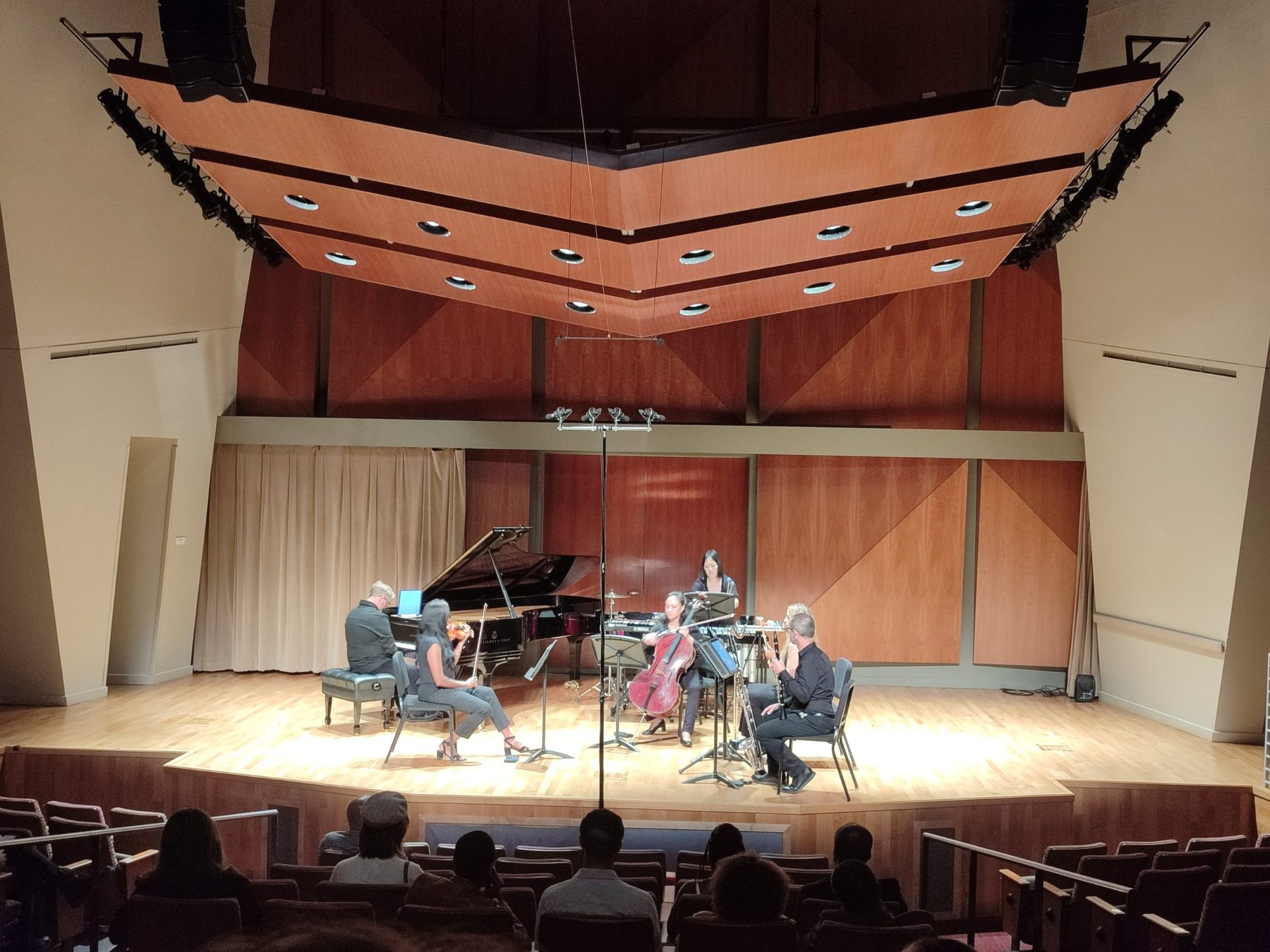
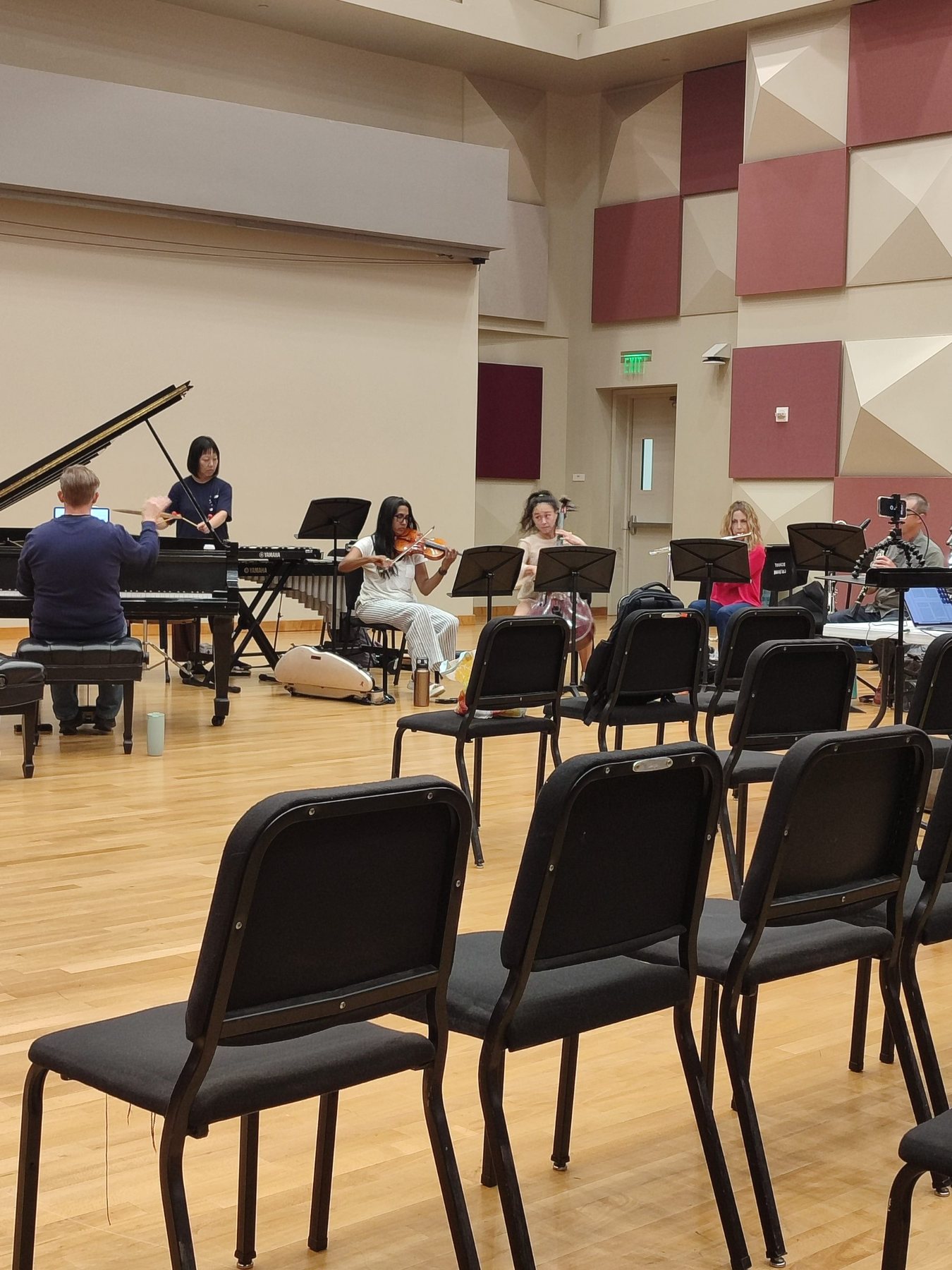
Impulse New Music Festival 2024
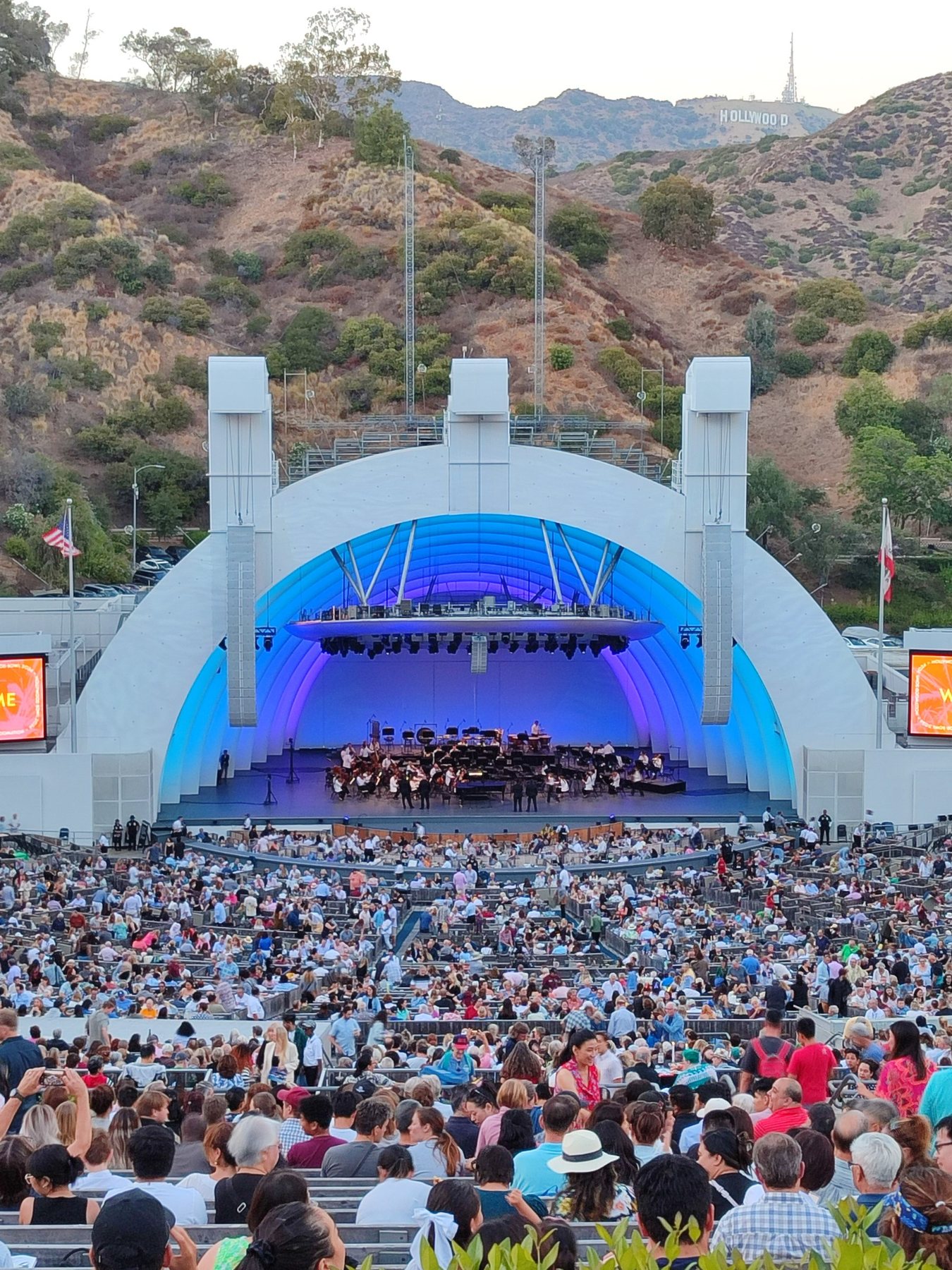
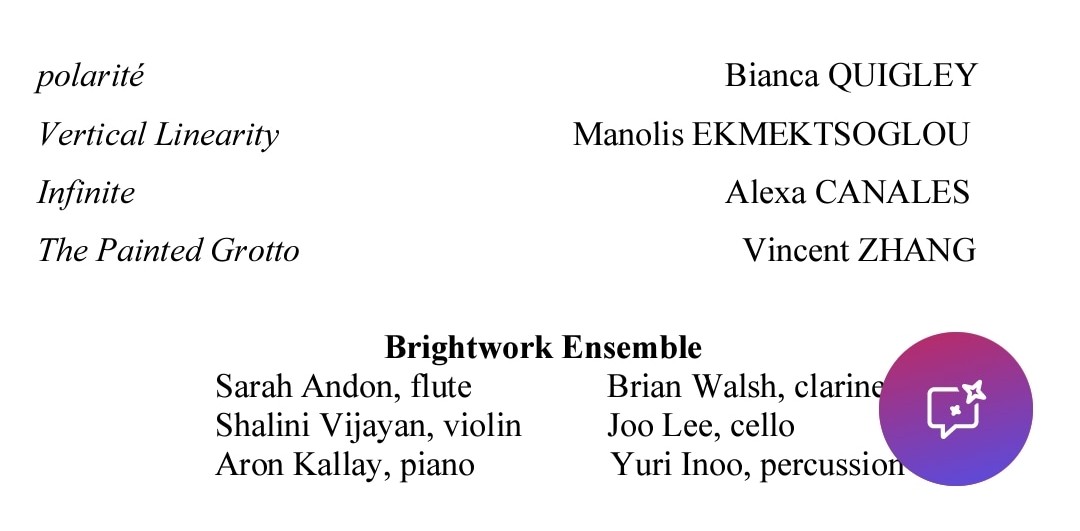
Impulse New Music Festival
2024, Los Angeles, USA, 8 May 2024. Performance of Vertical Linearity by
the Brightwork Ensemble.
Karol Szymanowski Music Competition 2023
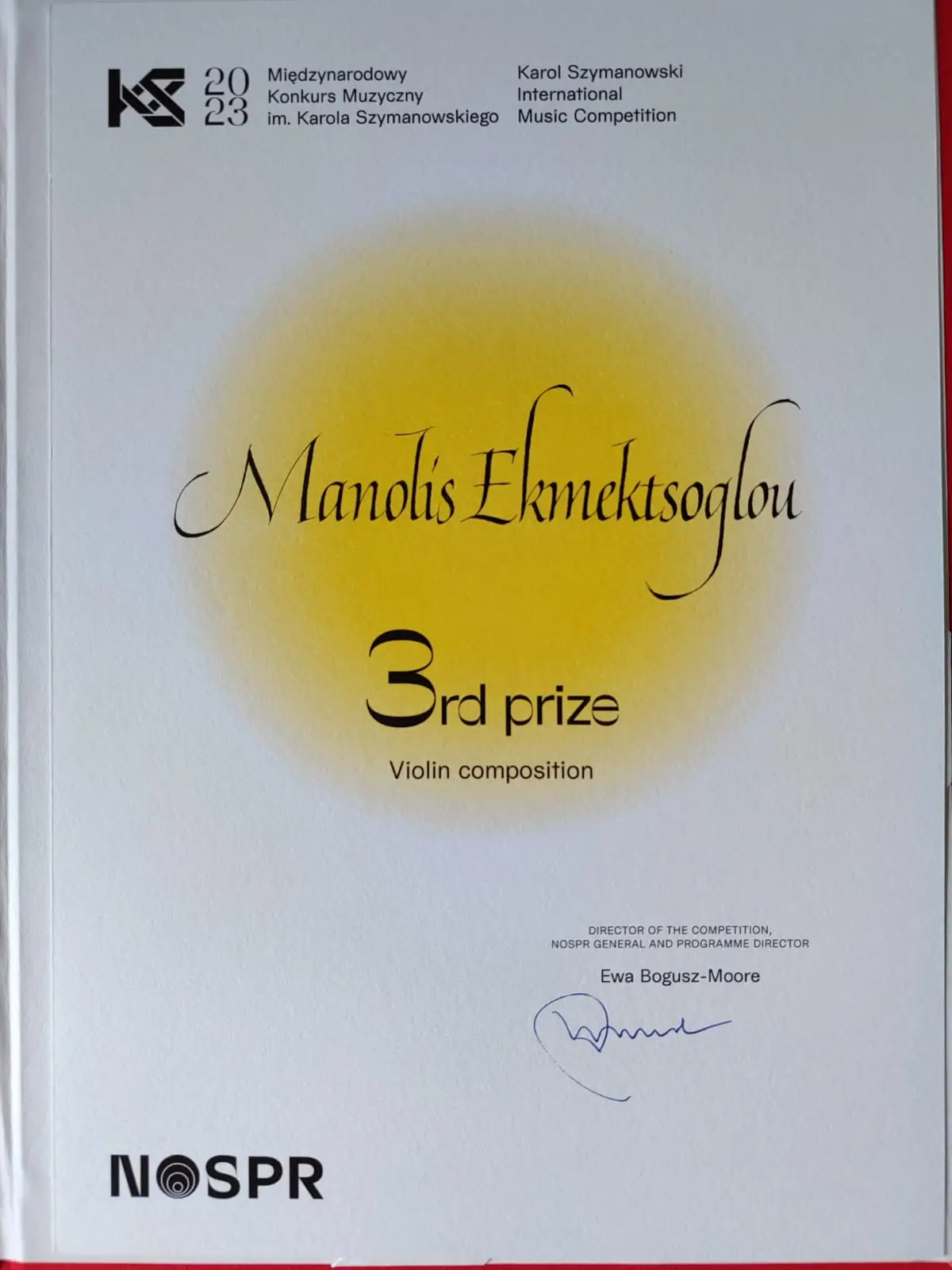
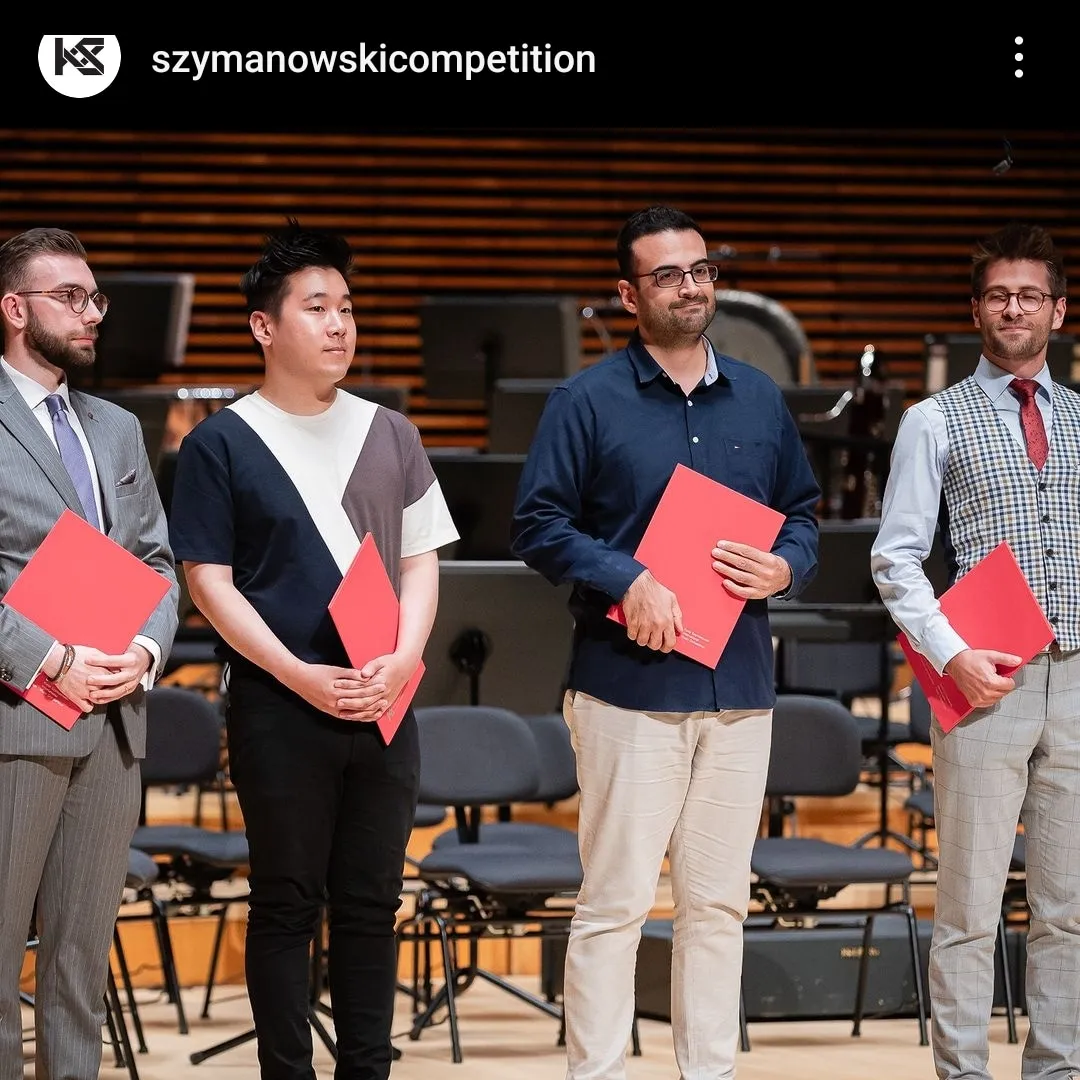
Karol Szymanowski
International Music Competition, 2023. Award ceremony for the Composition
category. I received Third Prize for my composition Motion, in Two, for
solo violin. The work was performed four times by four different violinists: Sofia Manvati, Sara
Dragan, Matthew Hakkarainen, and Yurina Arai. Sara Dragan received the Special
Prize for "Best Interpretation of a Contemporary Work" for her performance of the piece.
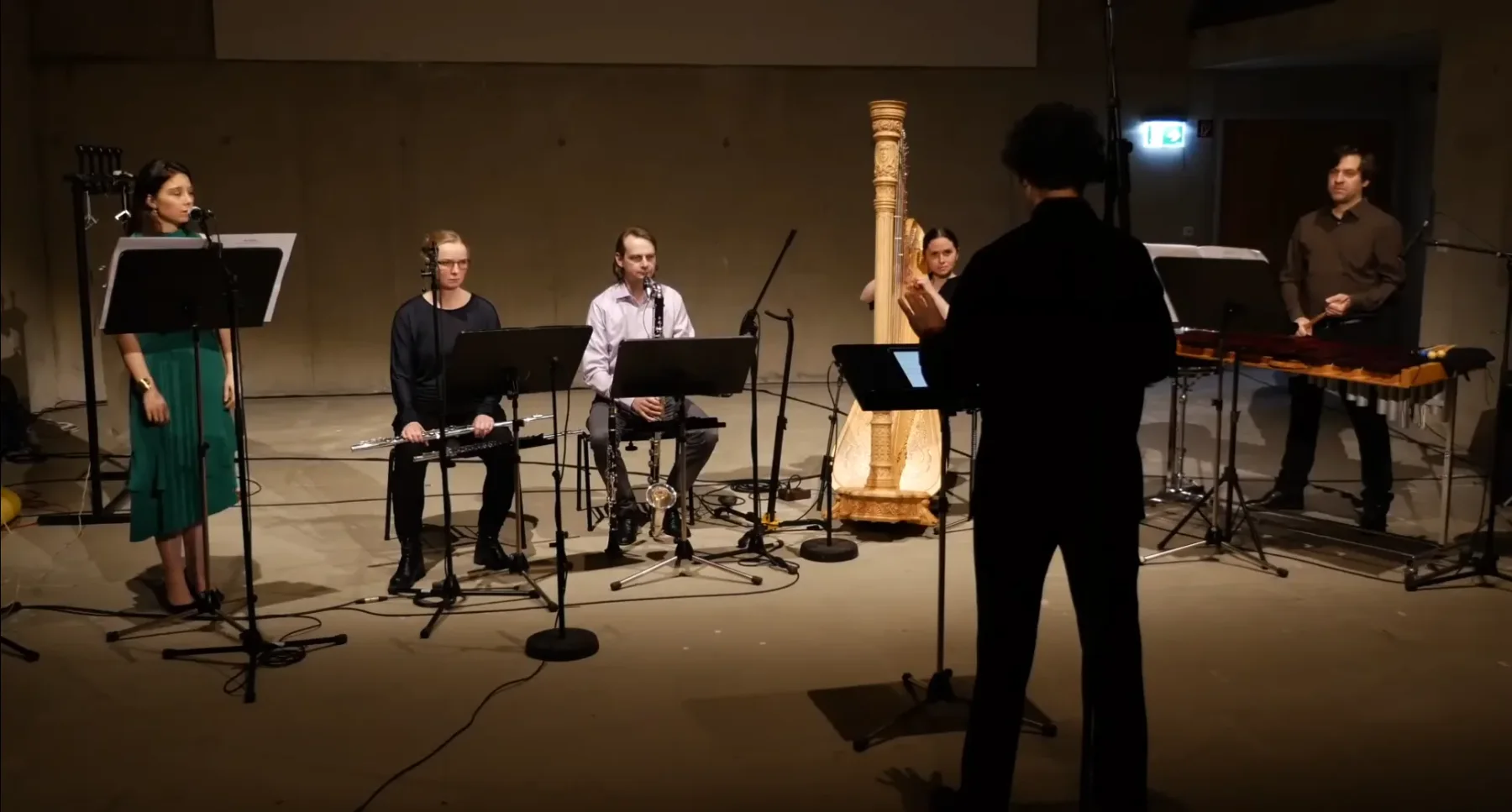
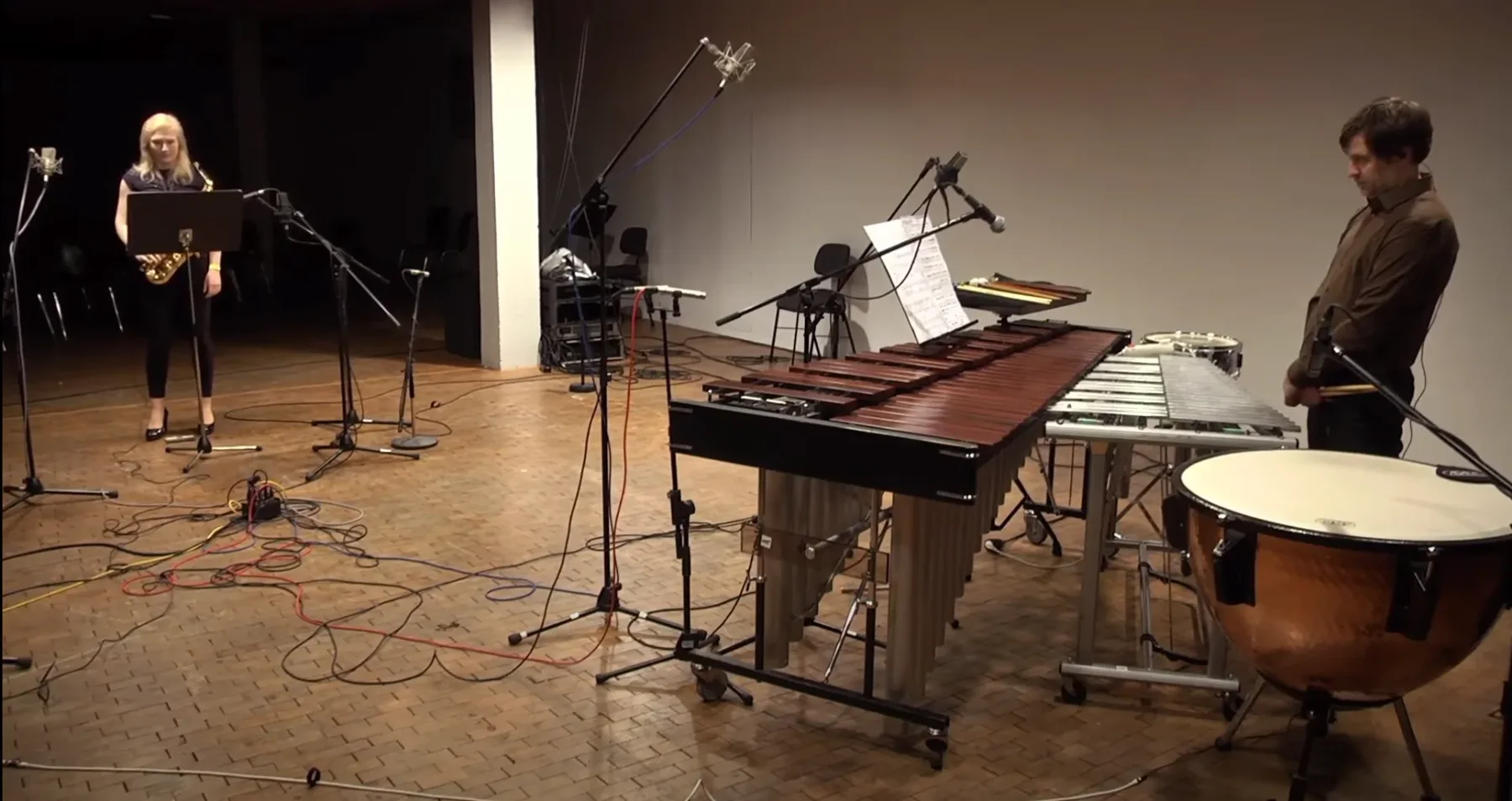
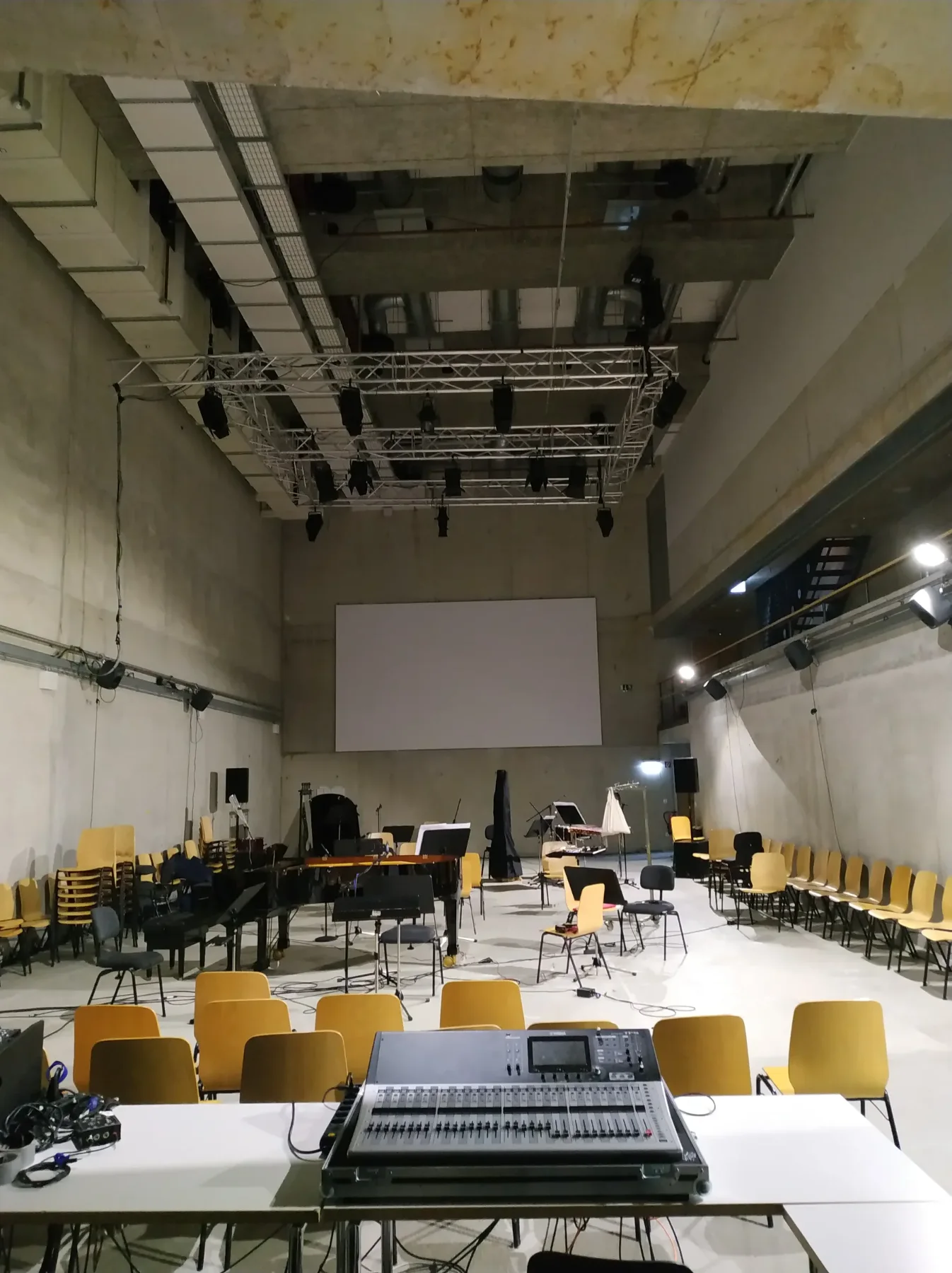
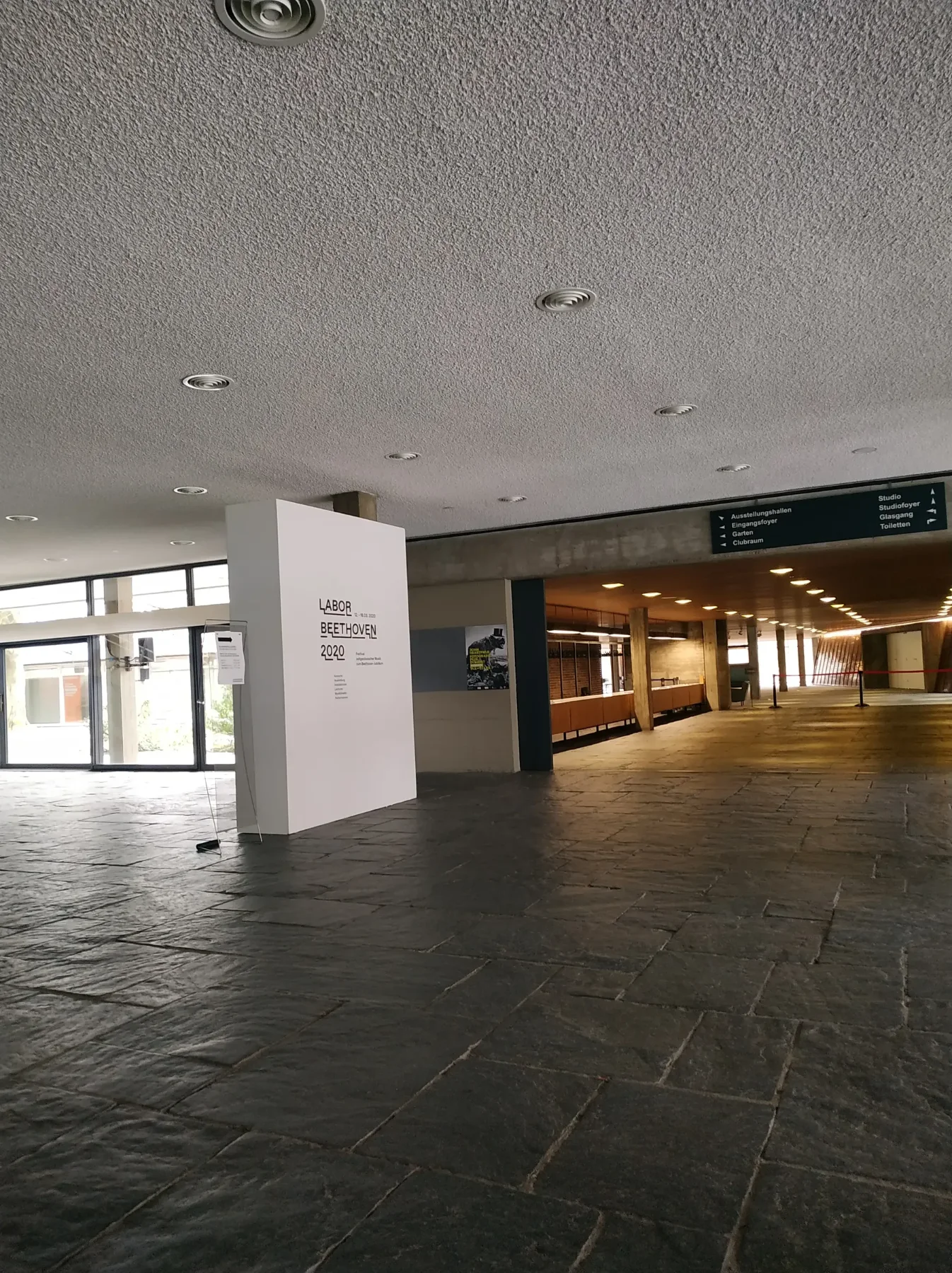
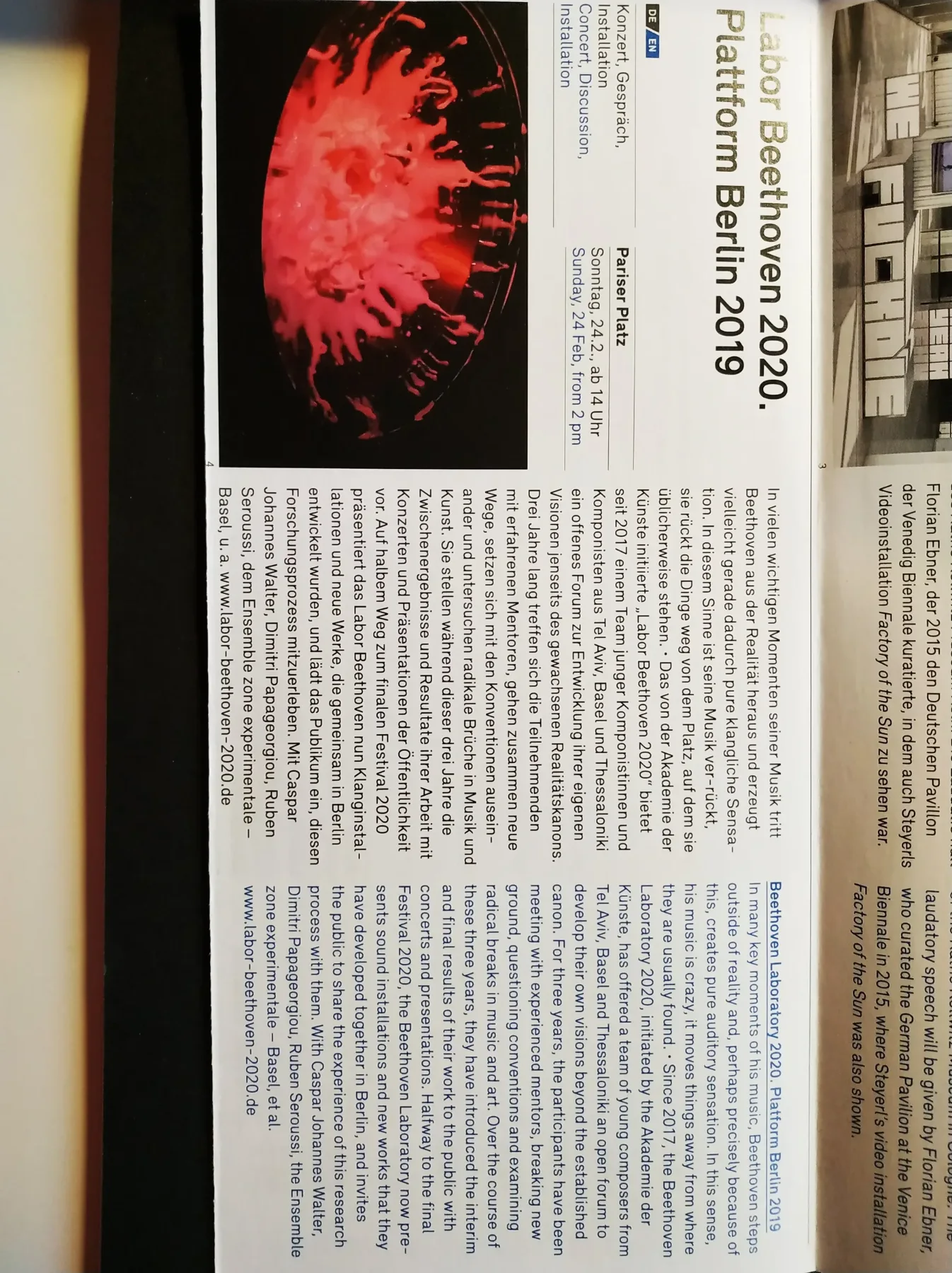
Labor Beethoven 2020
Labor Beethoven, March
2020. Final year of the project, presented at the Akademie der Künste, Berlin. Featured Ensemble Adapter, Berlin.
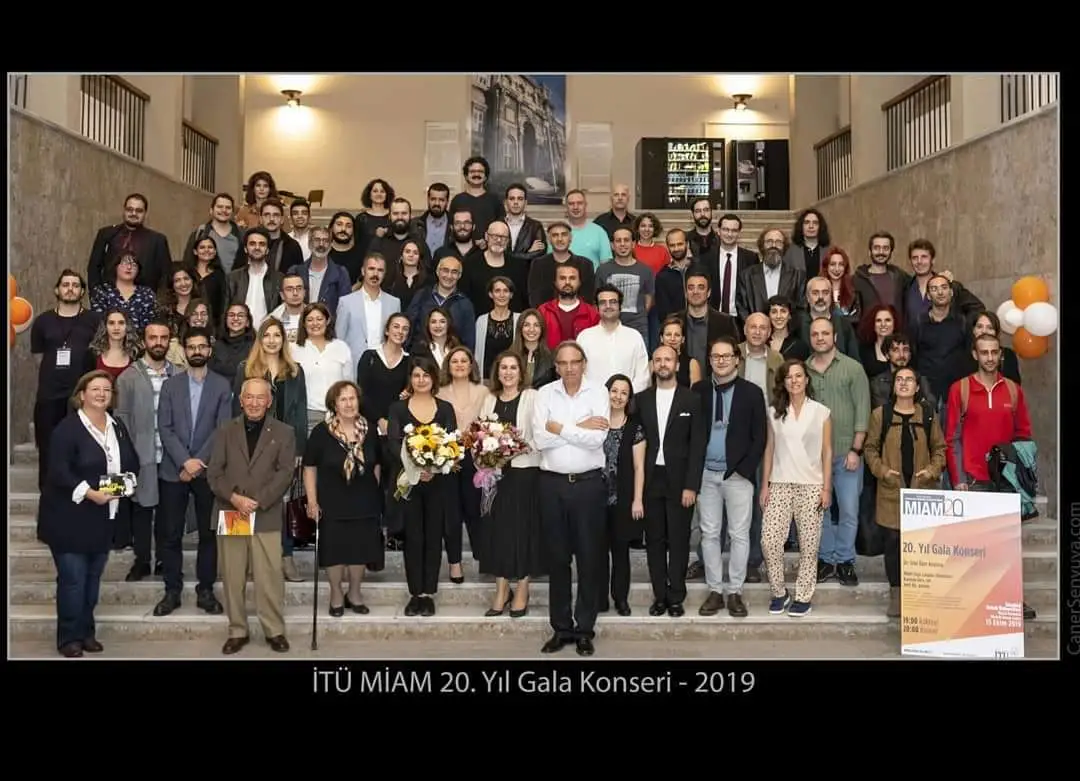
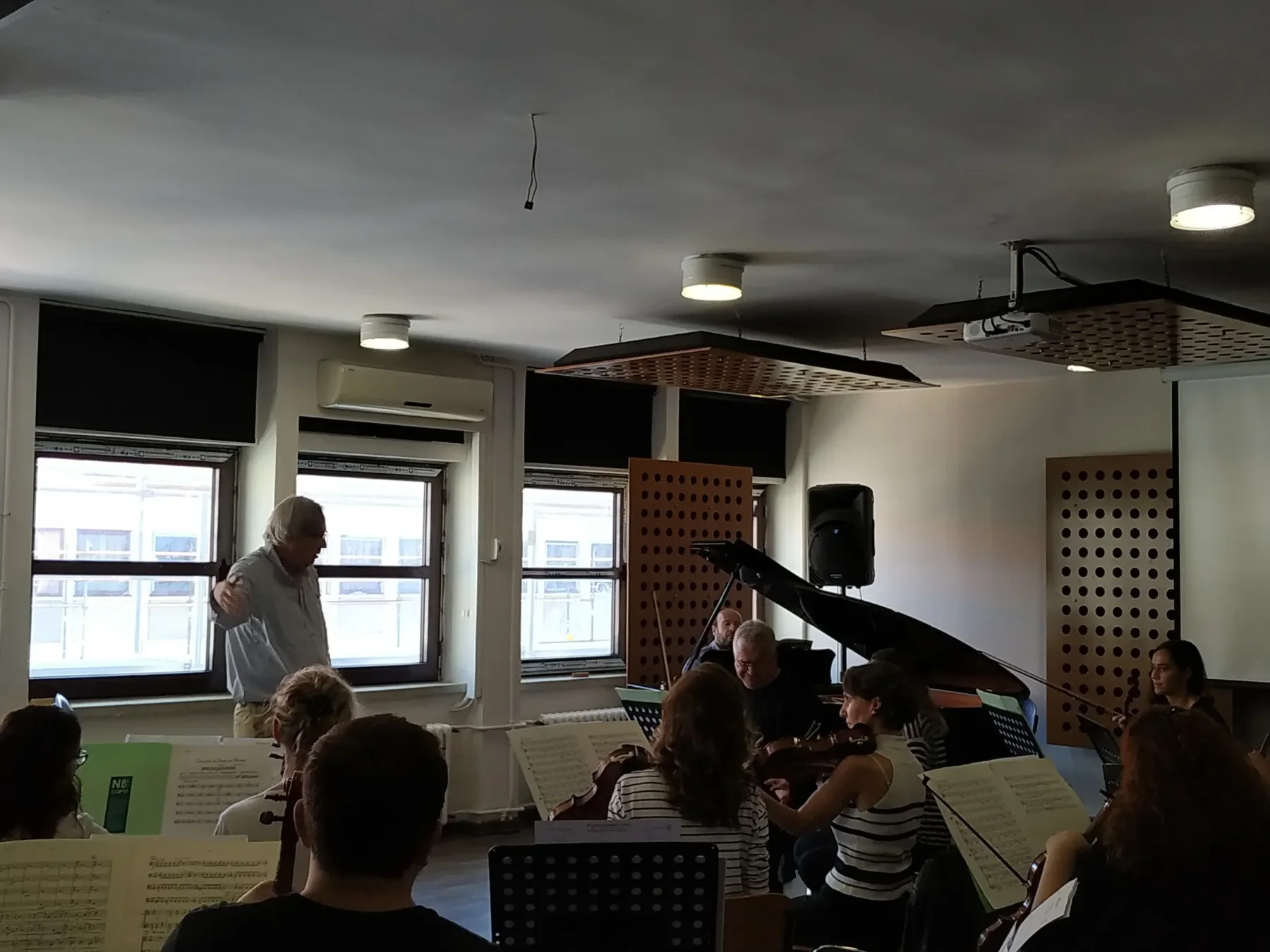
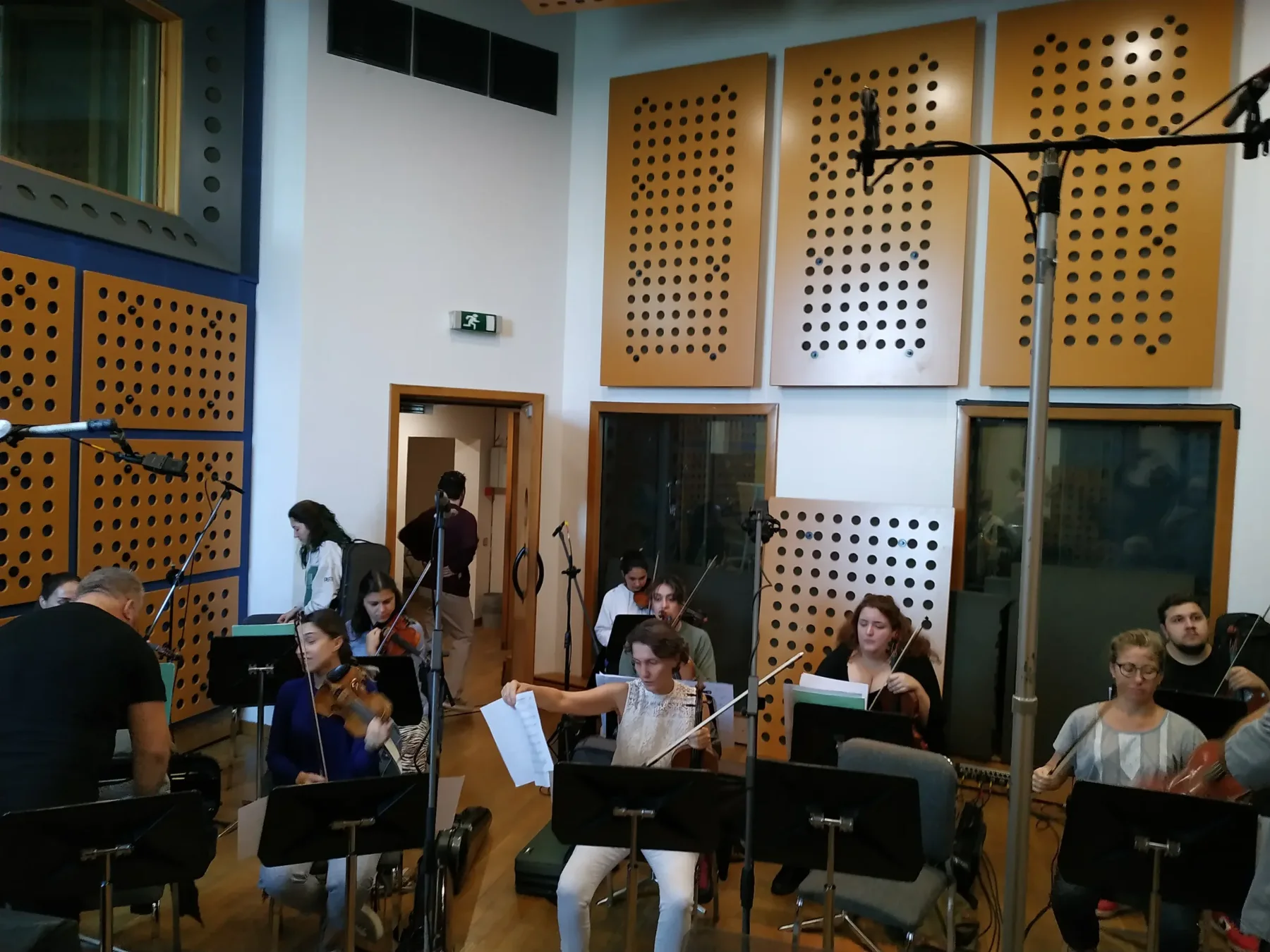
MIAM 20-year Anniversary Gala
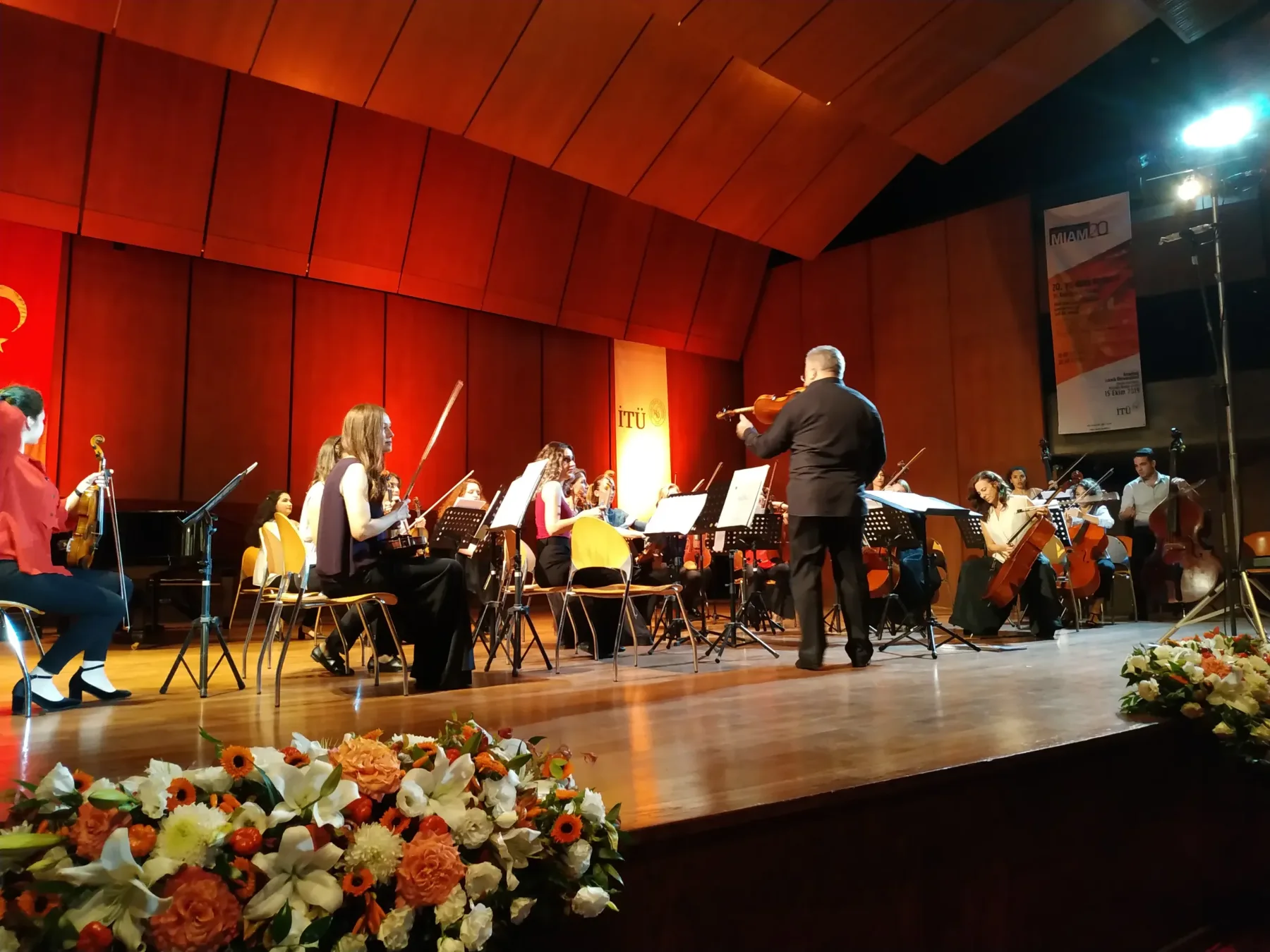
Expressionist
view, for string orchestra written specifically
for the MIAM 20-year Anniversary Gala, October 2019. Conducted by Kamran Ince
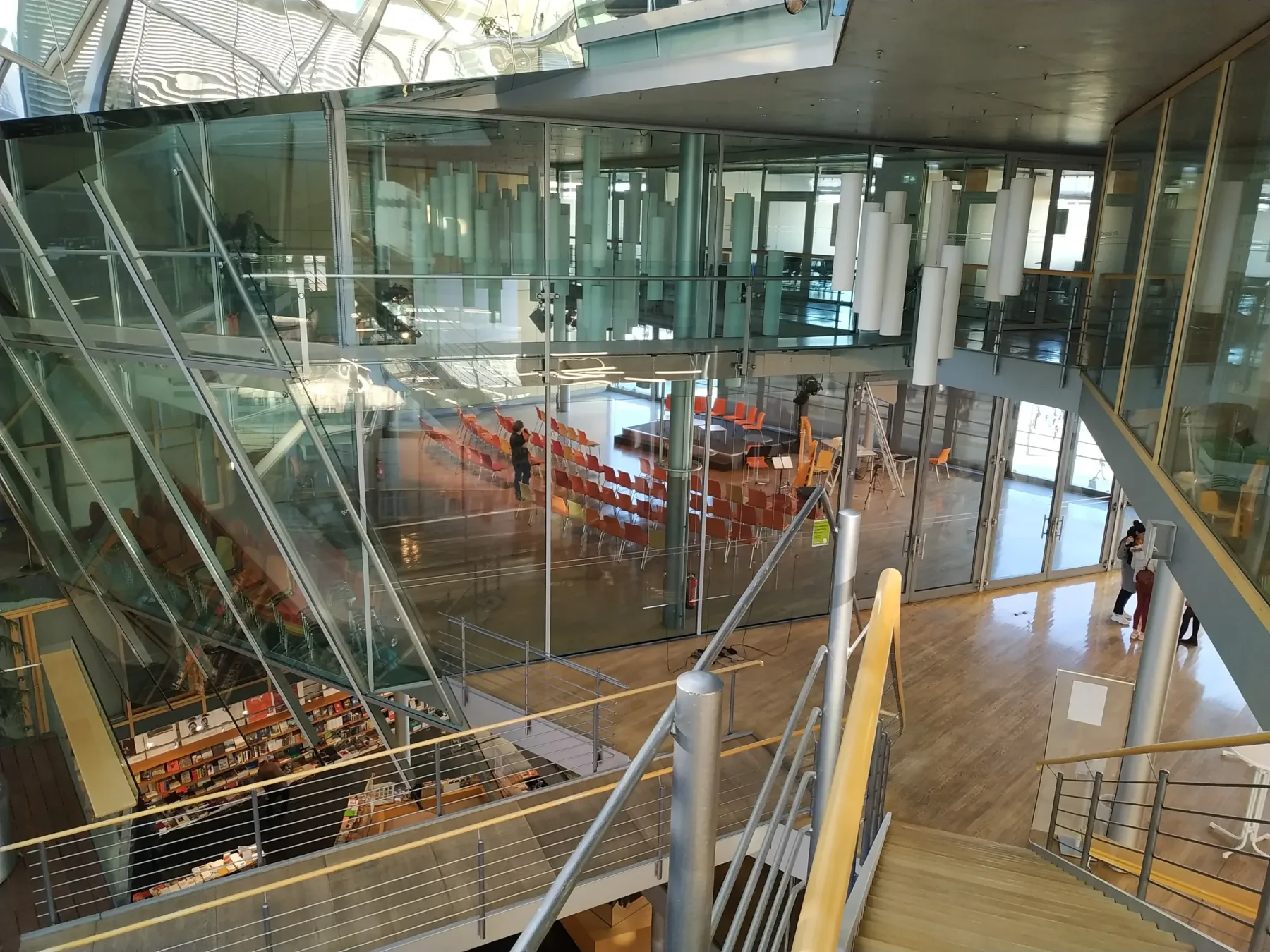
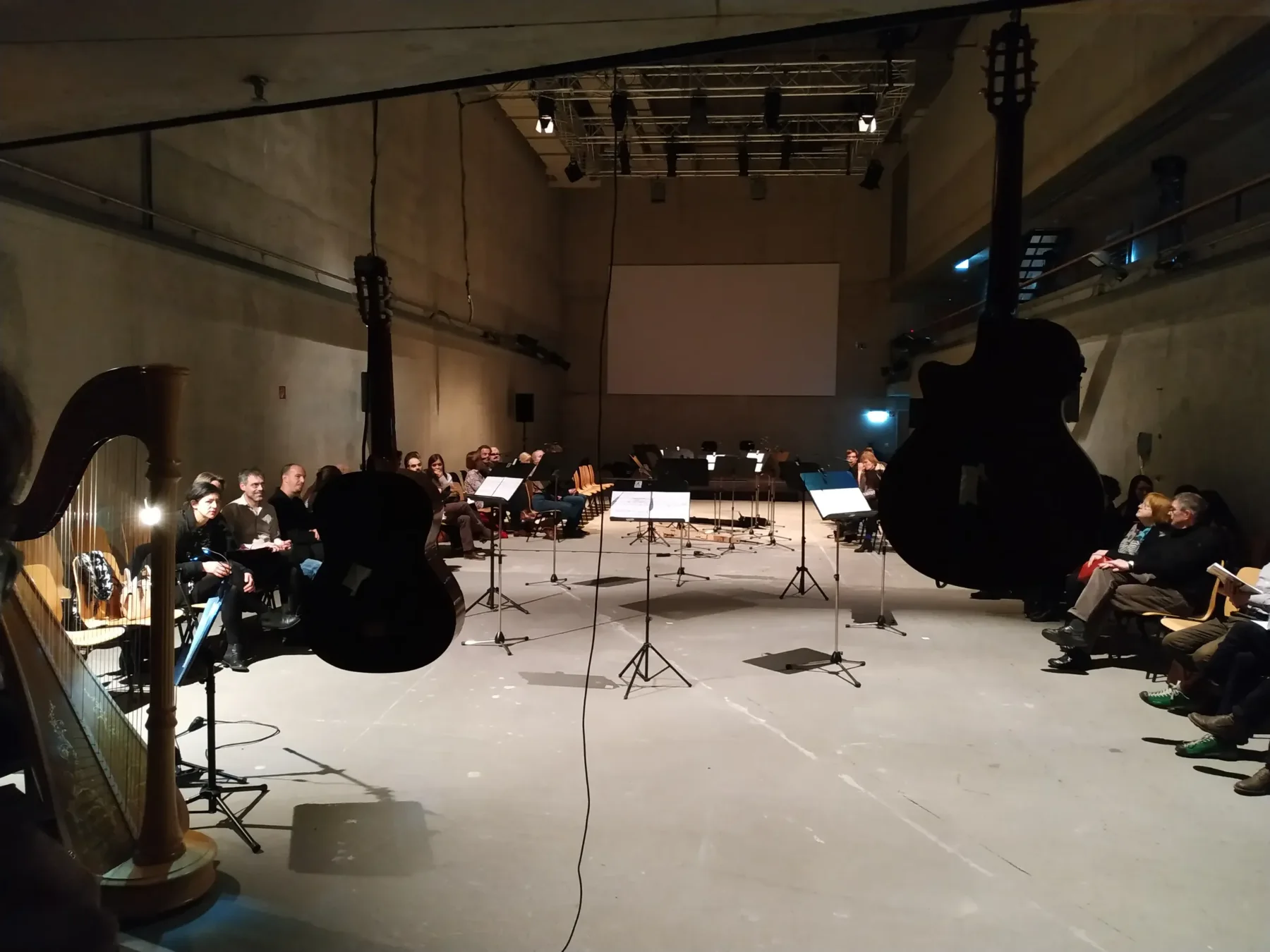
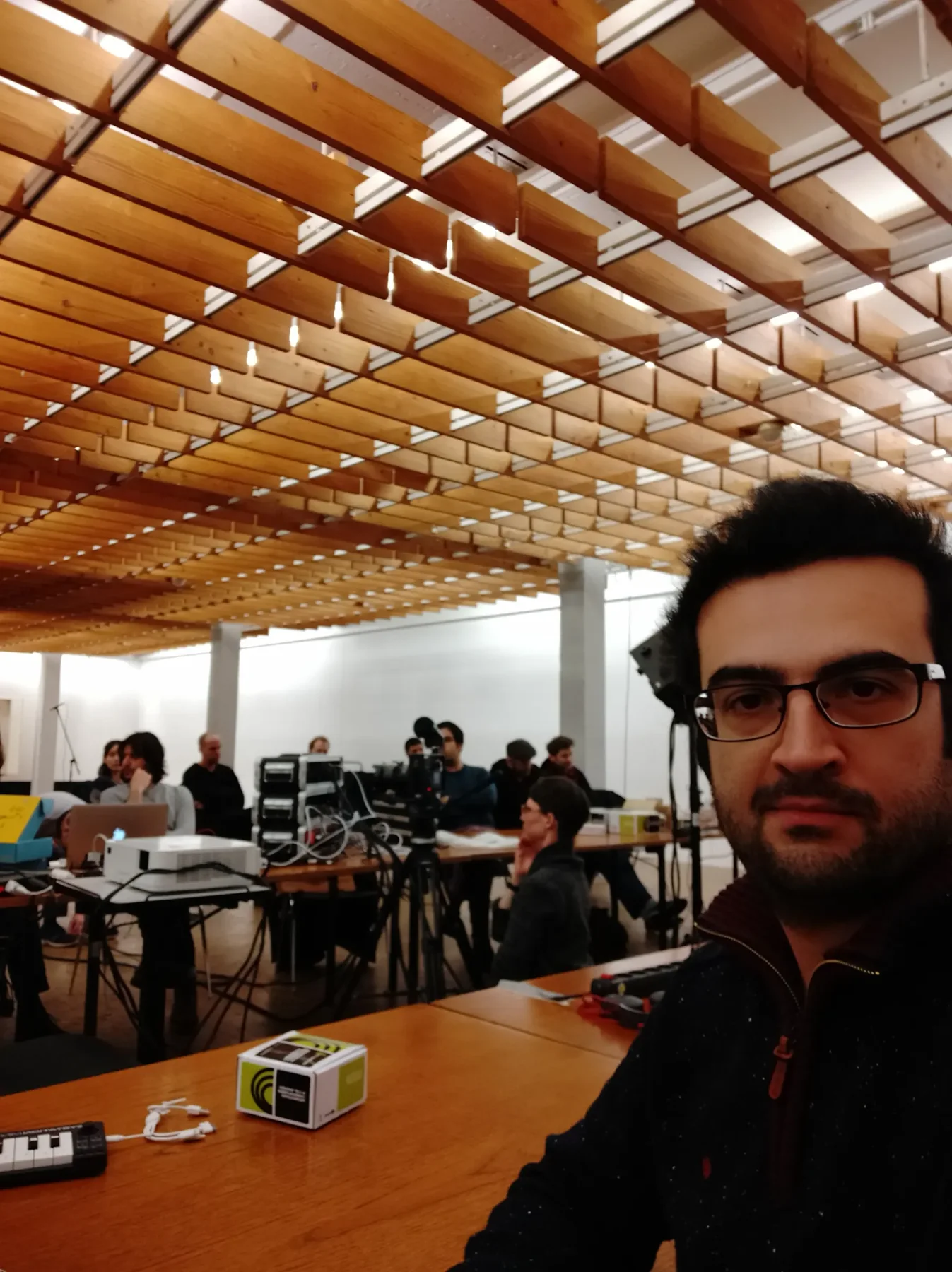
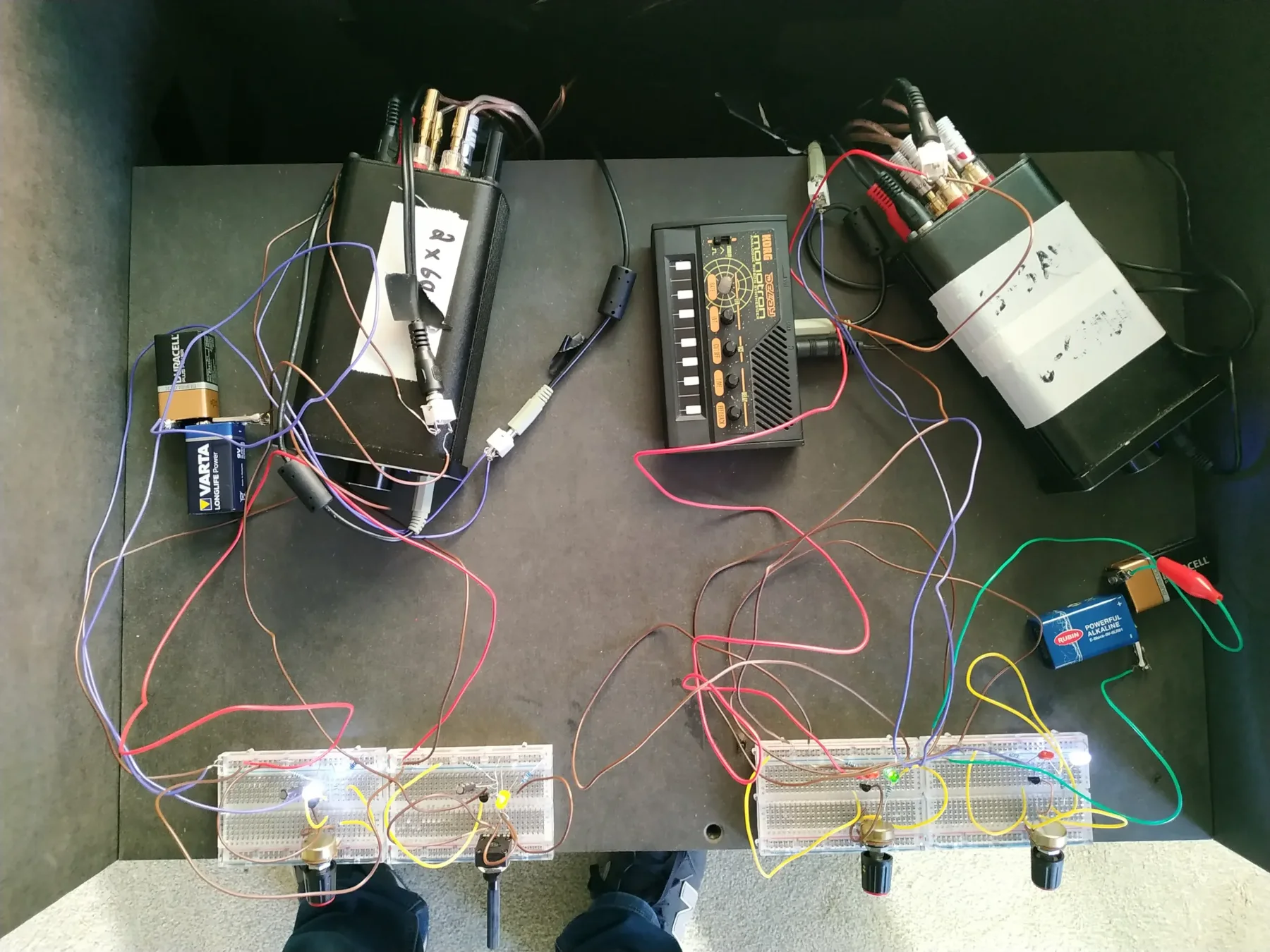
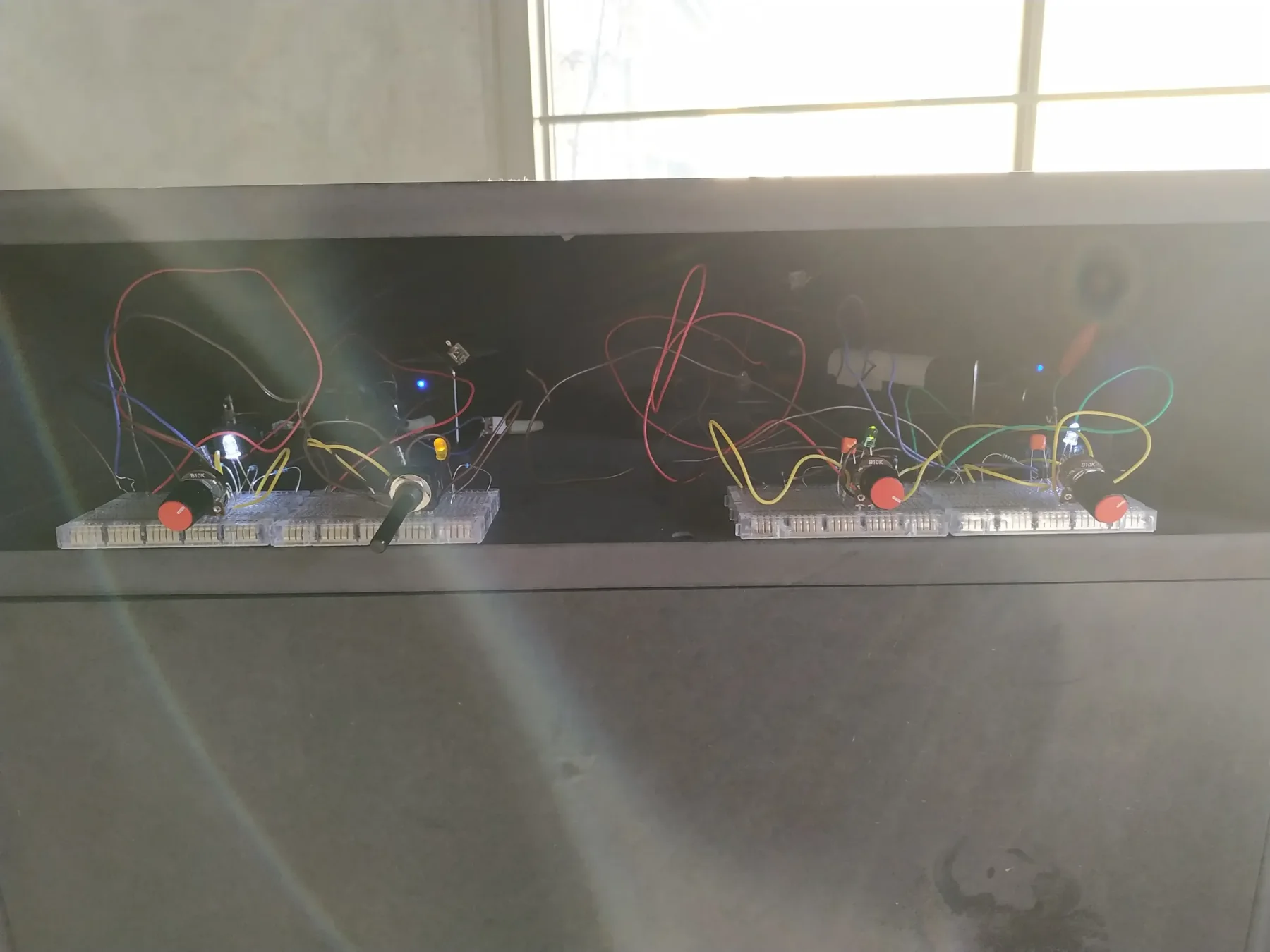
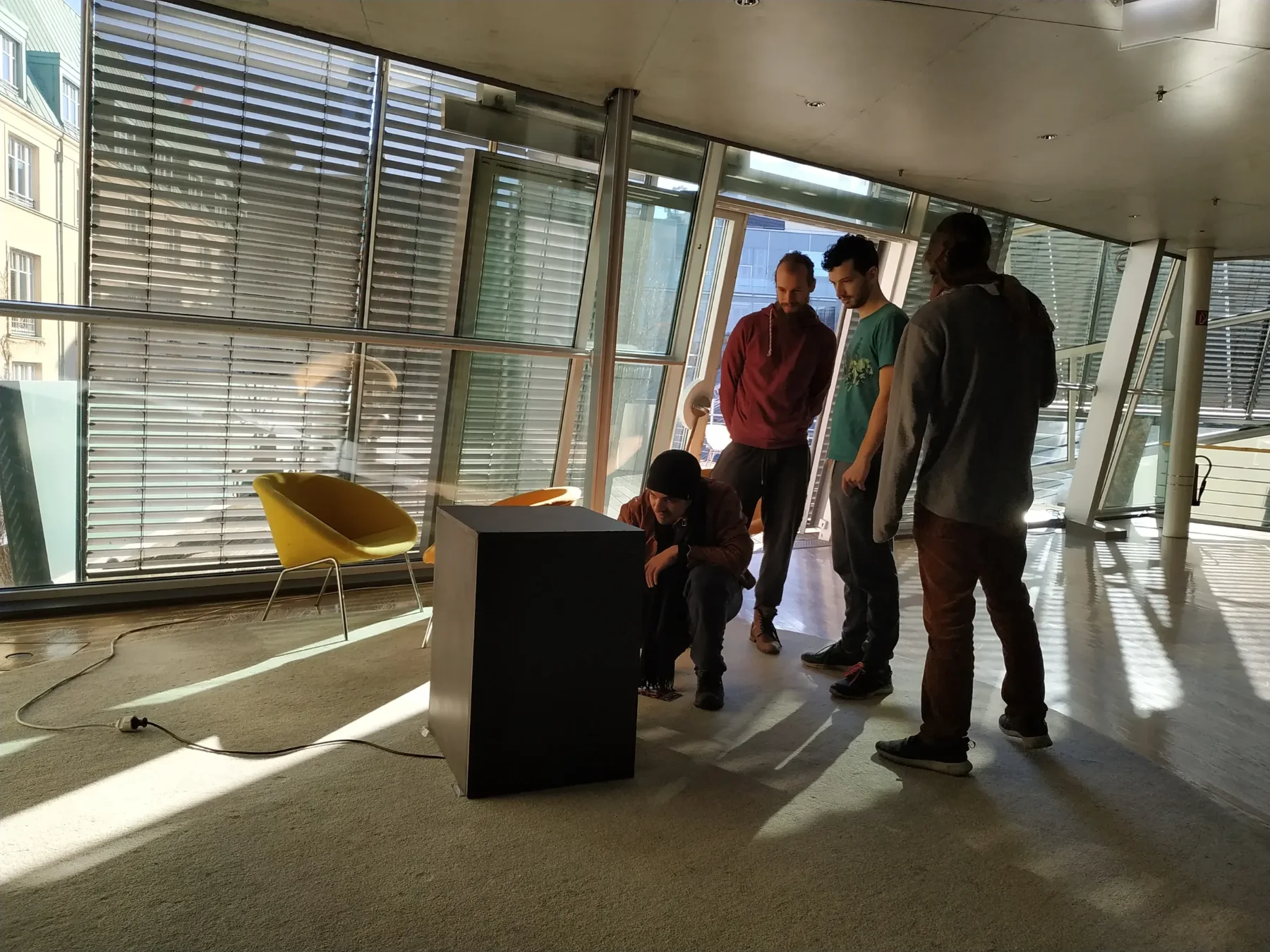
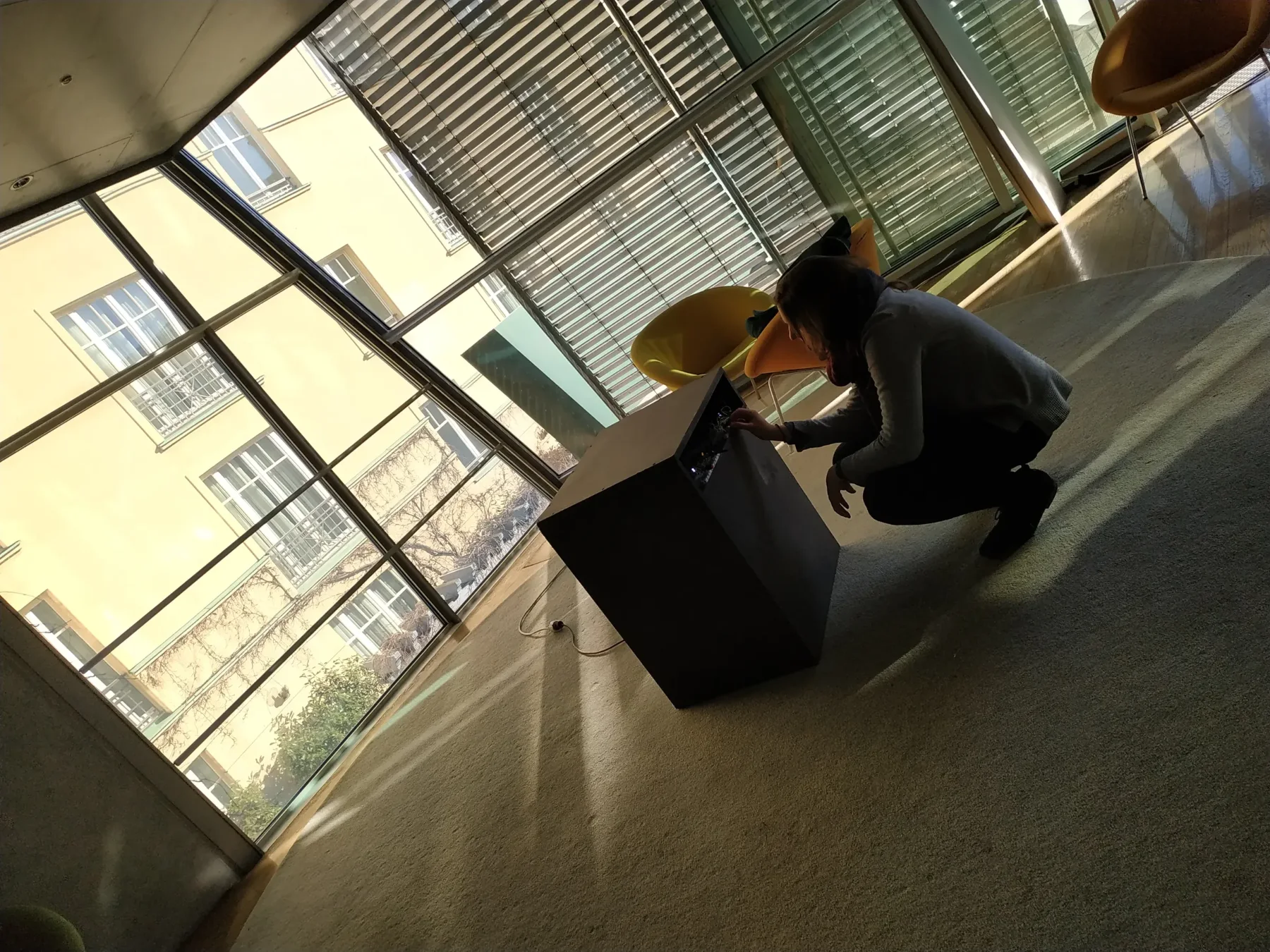
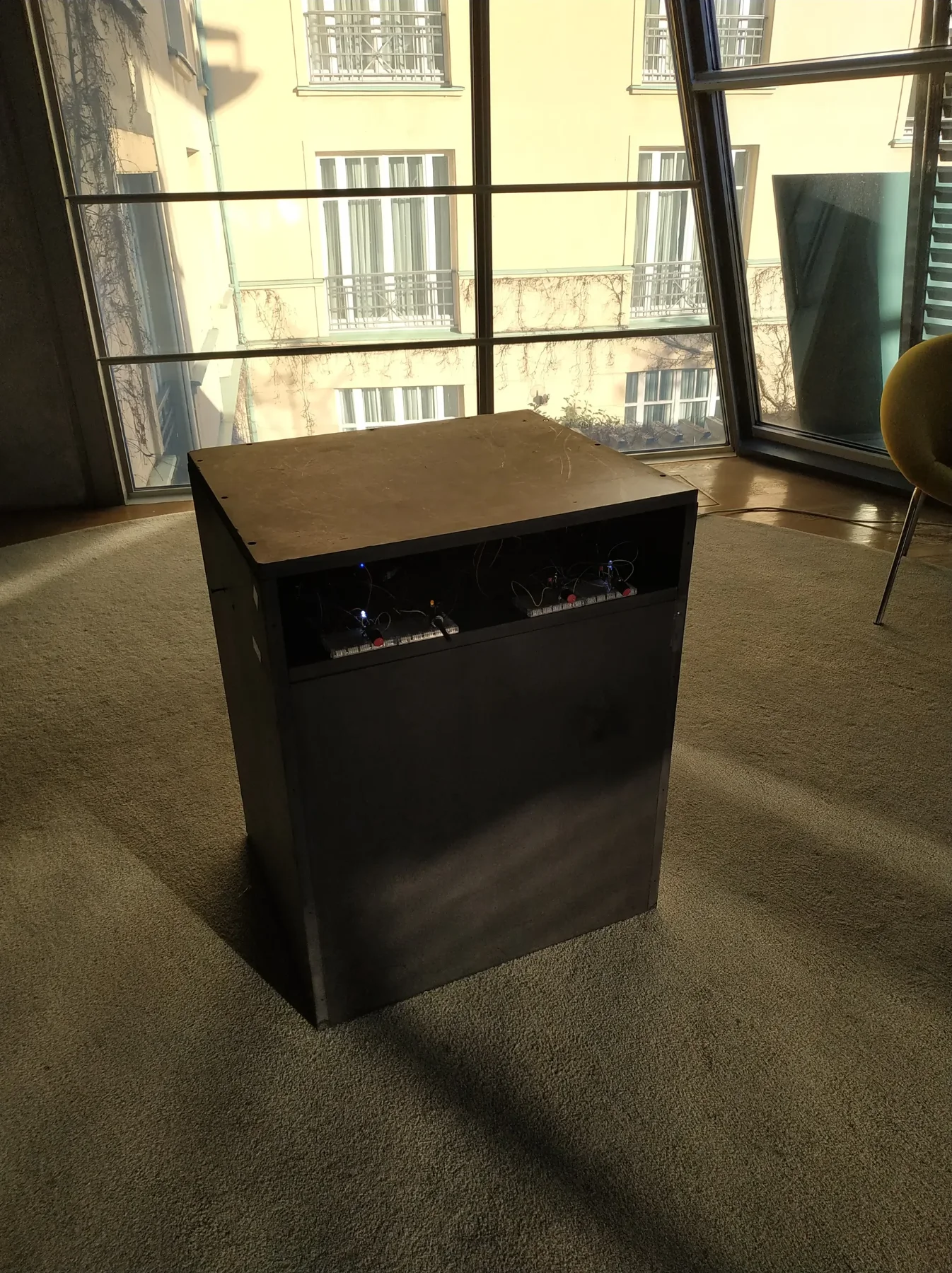
Labor Beethoven 2019 In Thessaloniki
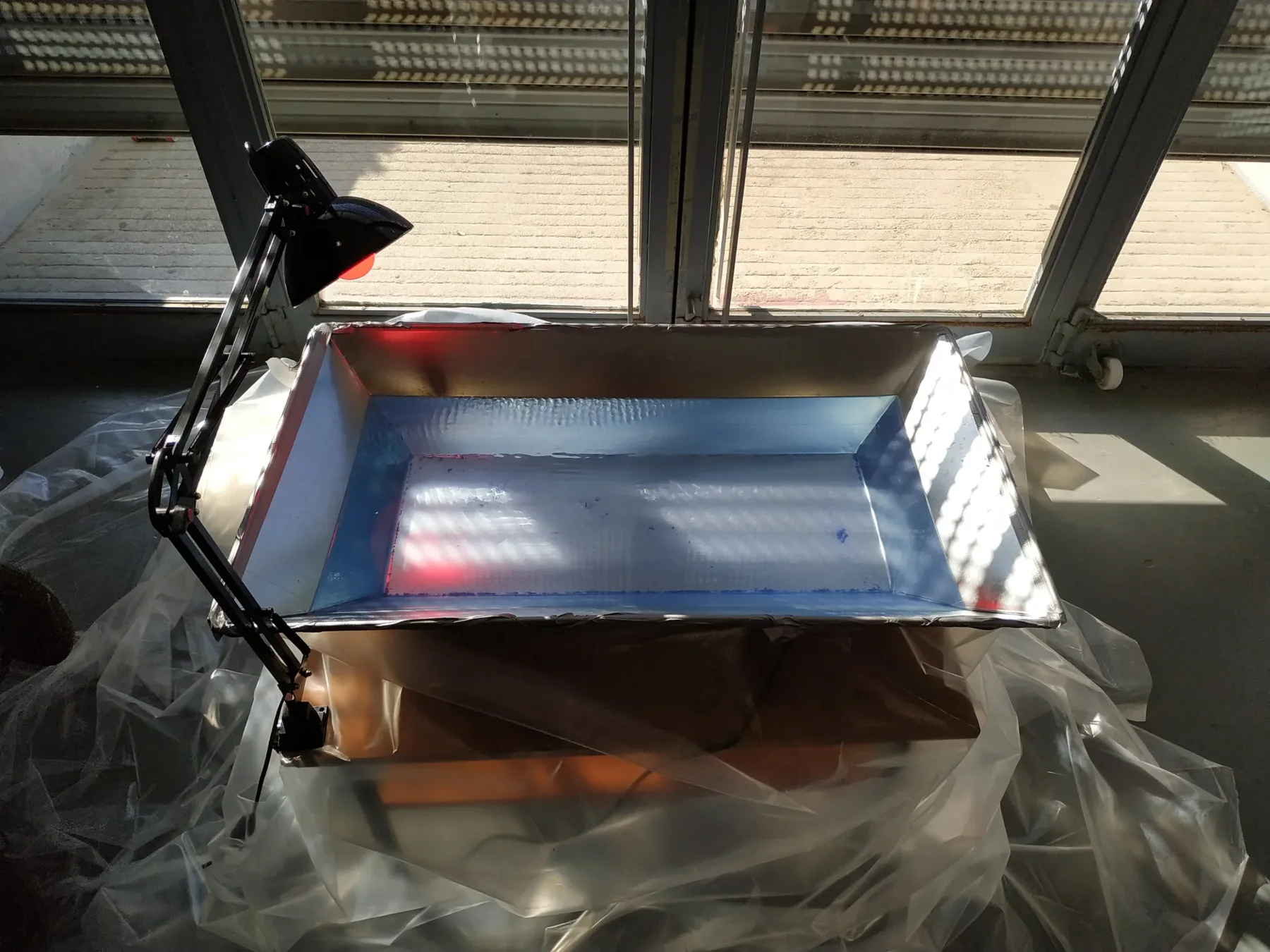
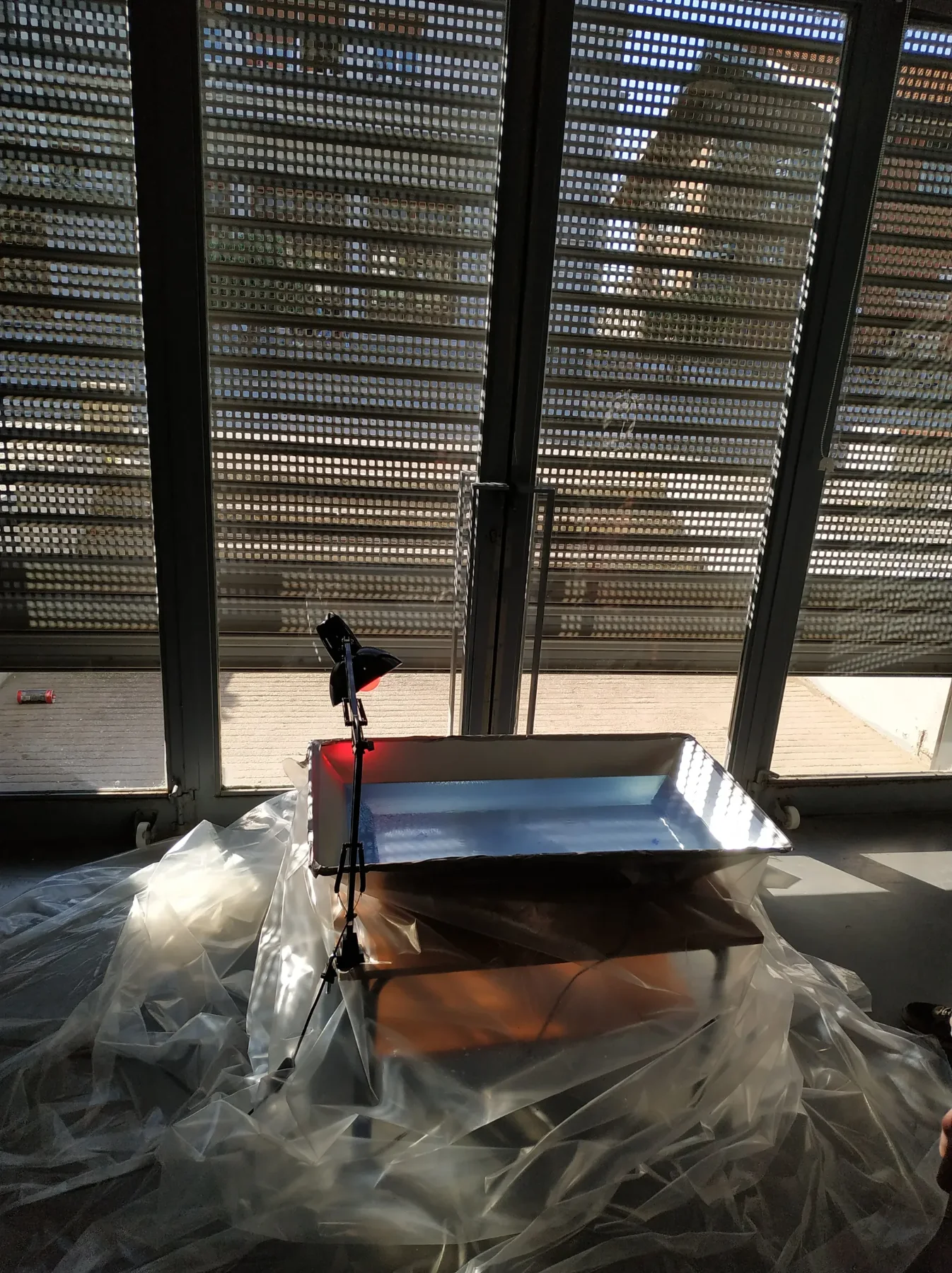
Labor Beethoven 2019,
Platform Thessaloniki. Installation at MOMus – Experimental Center for the Arts
(Warehouse B1, Thessaloniki Port), in collaboration with Thanos Sakellaridis
and Lucas Xerxis. Original concept by Thanos Sakellaridis.
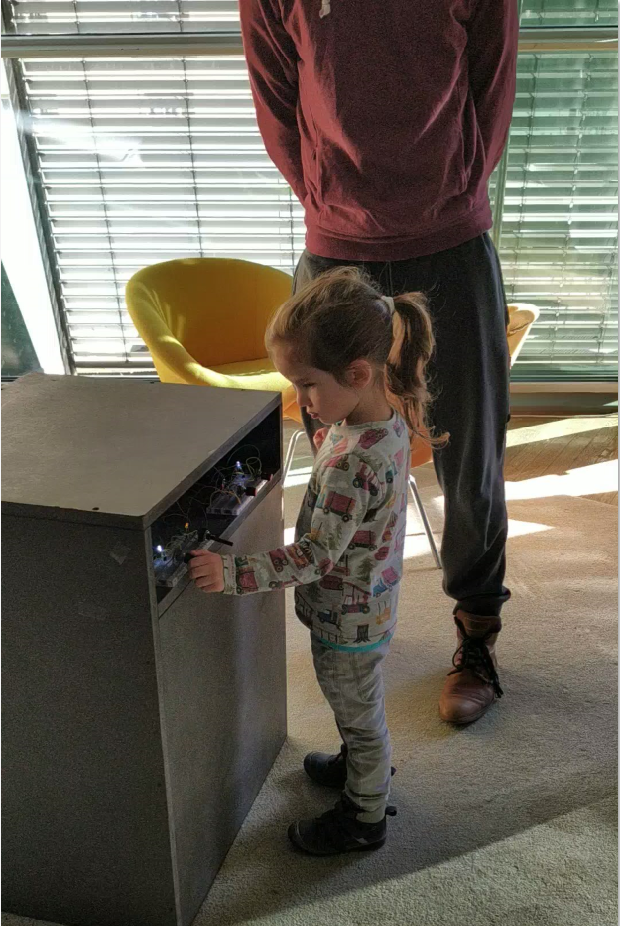
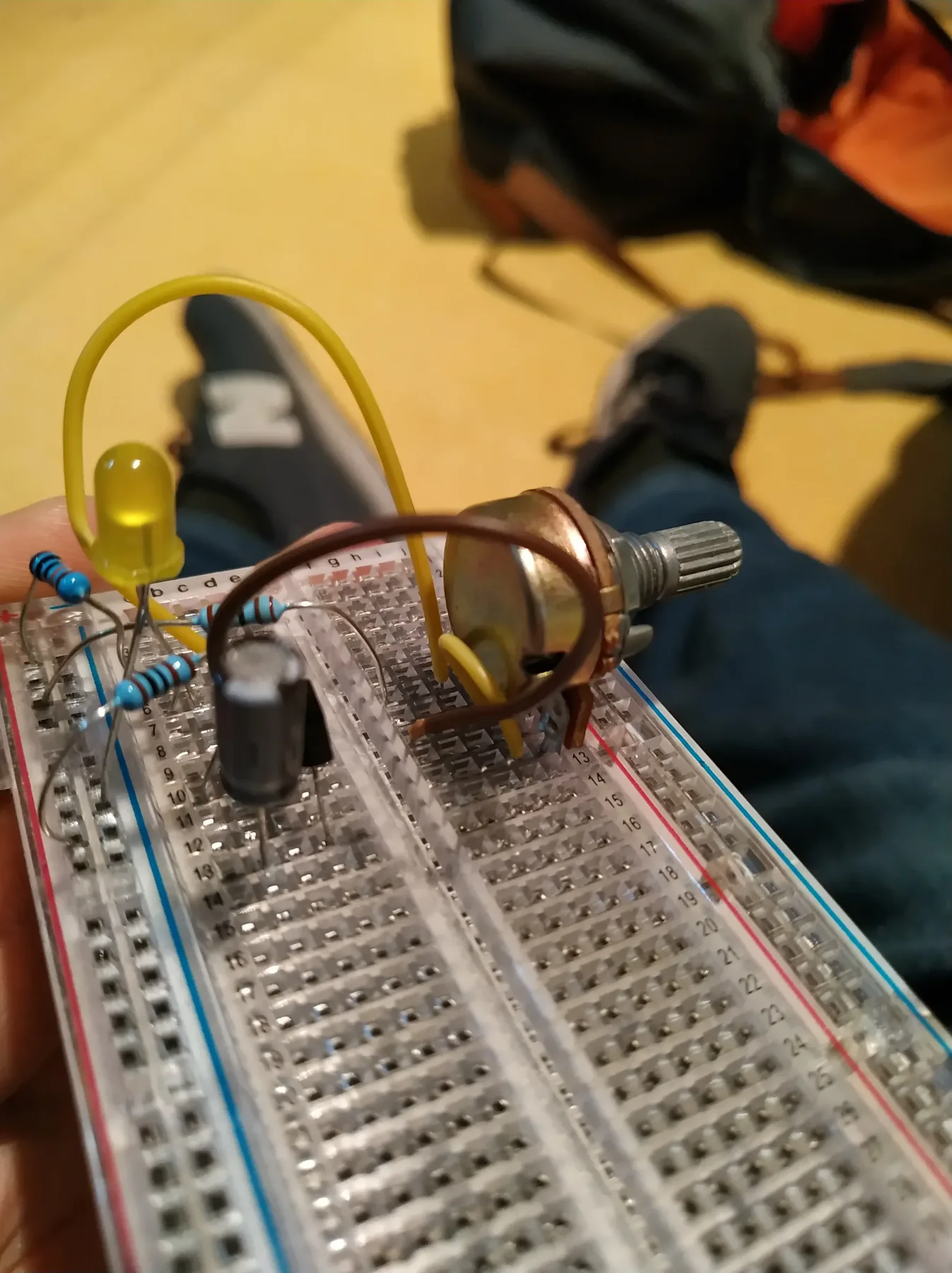
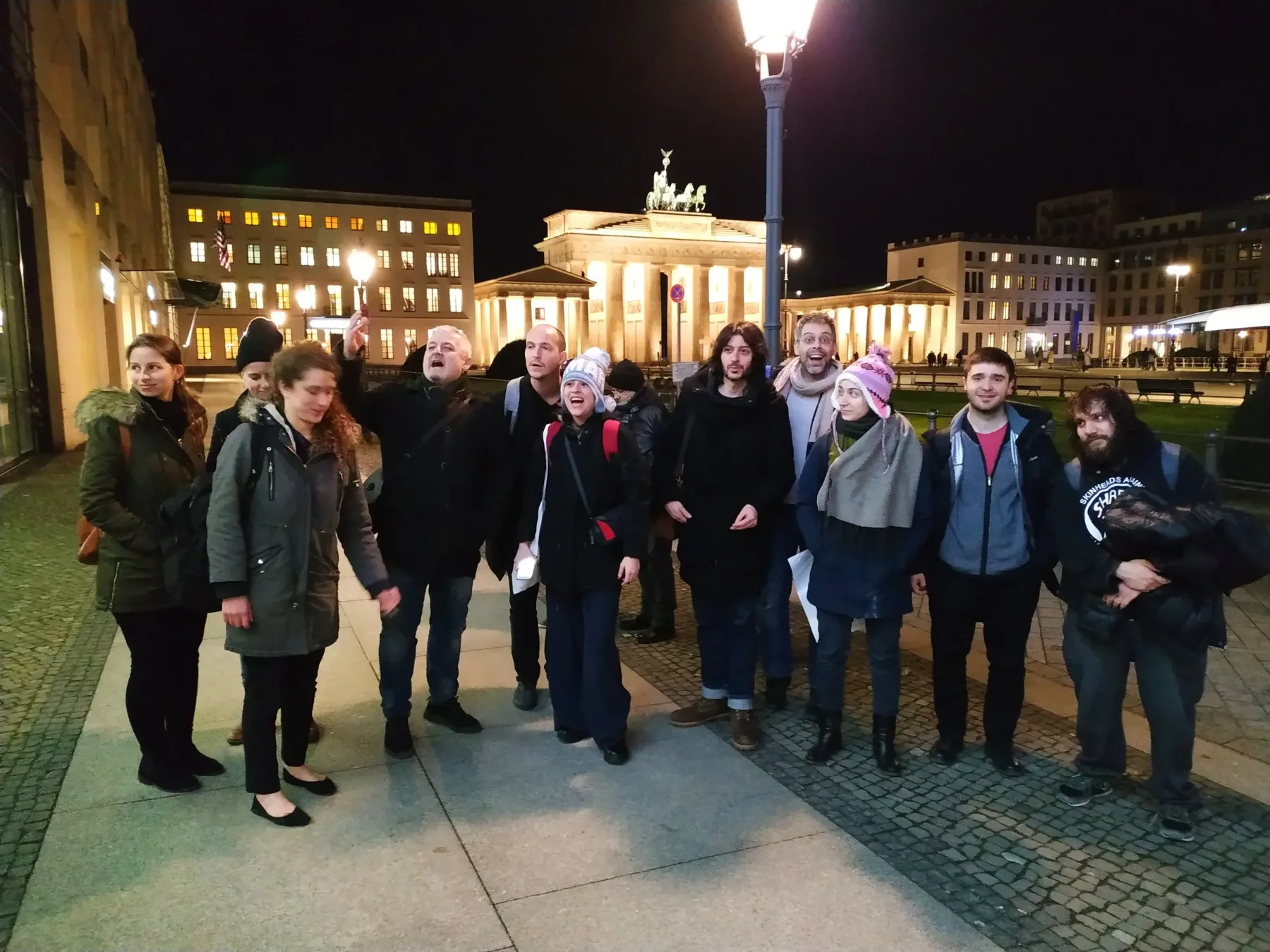
Labor Beethoven 2019
Labor Beethoven, 2019. Installation in collaboration with Thanos Sakellaridis, Akademie der Künste, Pariser Platz. Original concept by Thanos Sakellaridis.
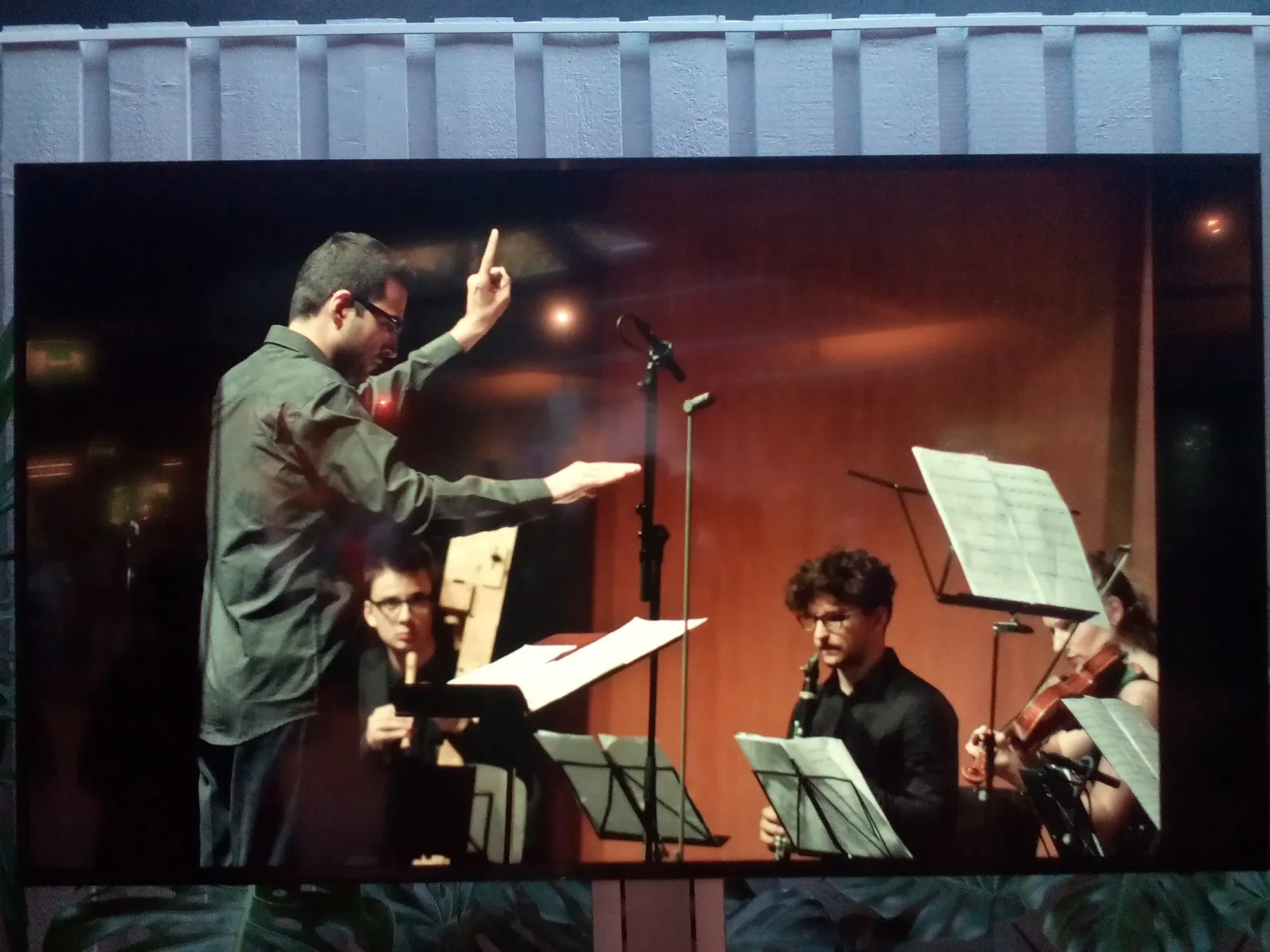
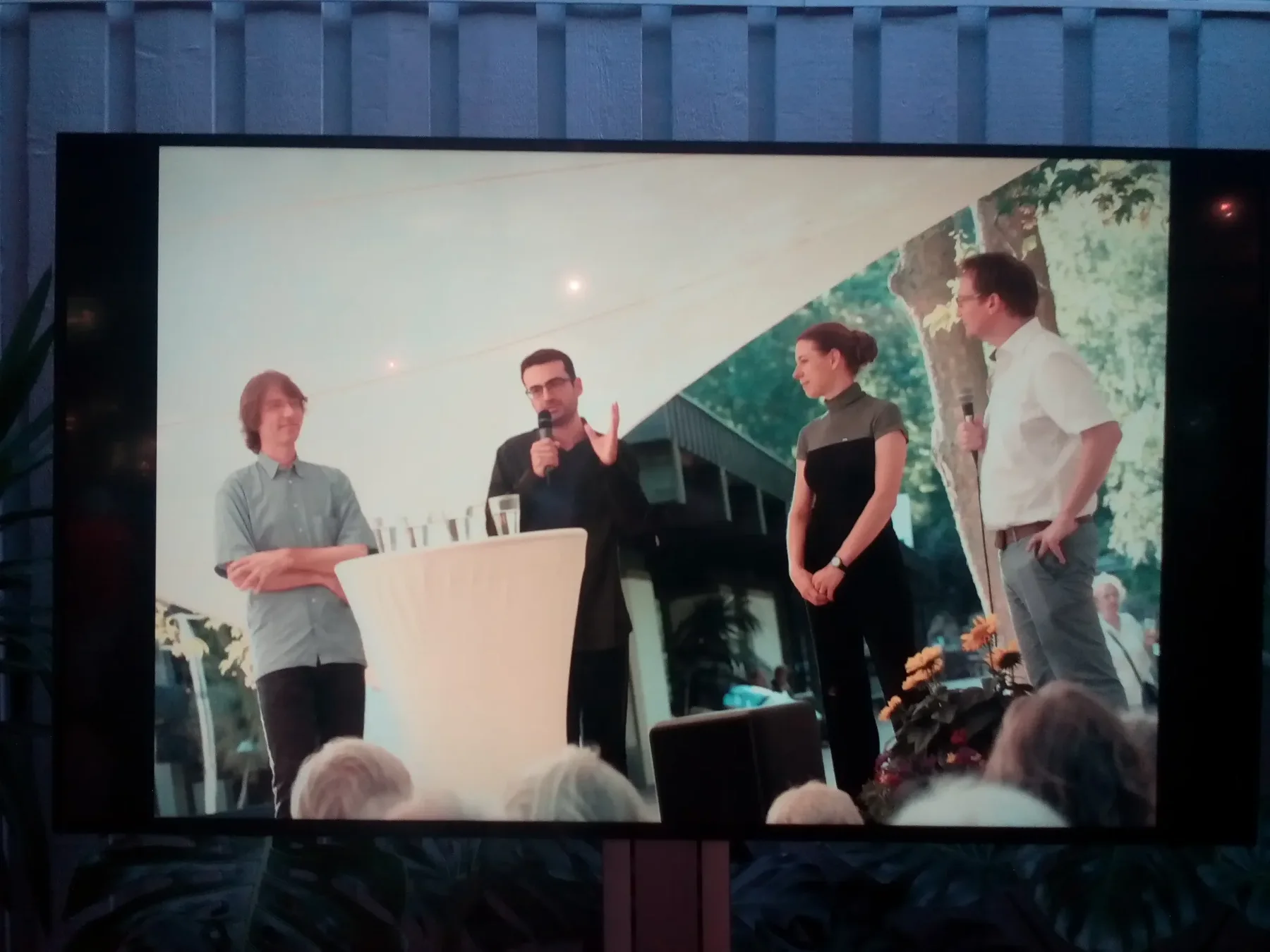
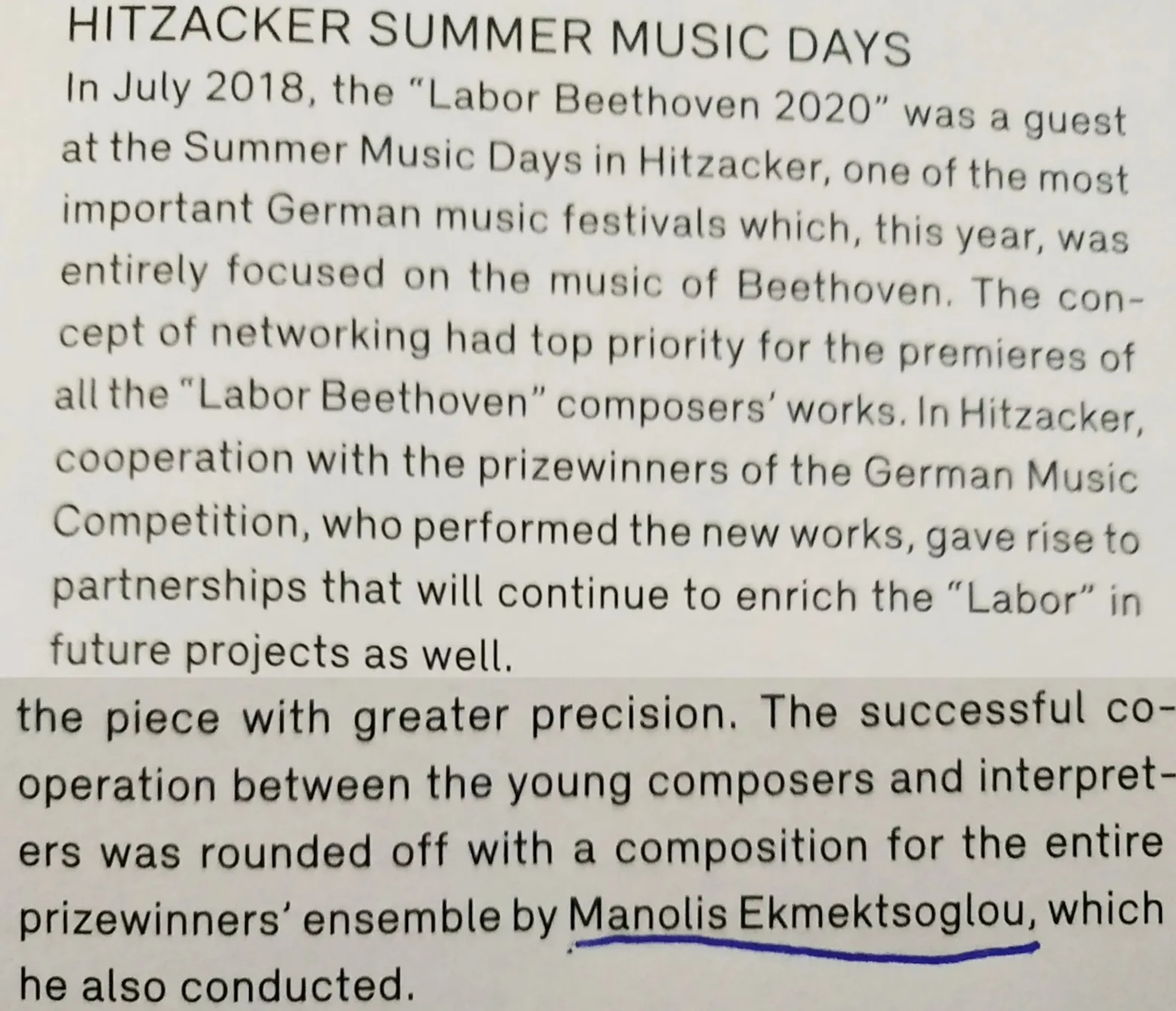
Hitzacker Musiktage Festival 2018
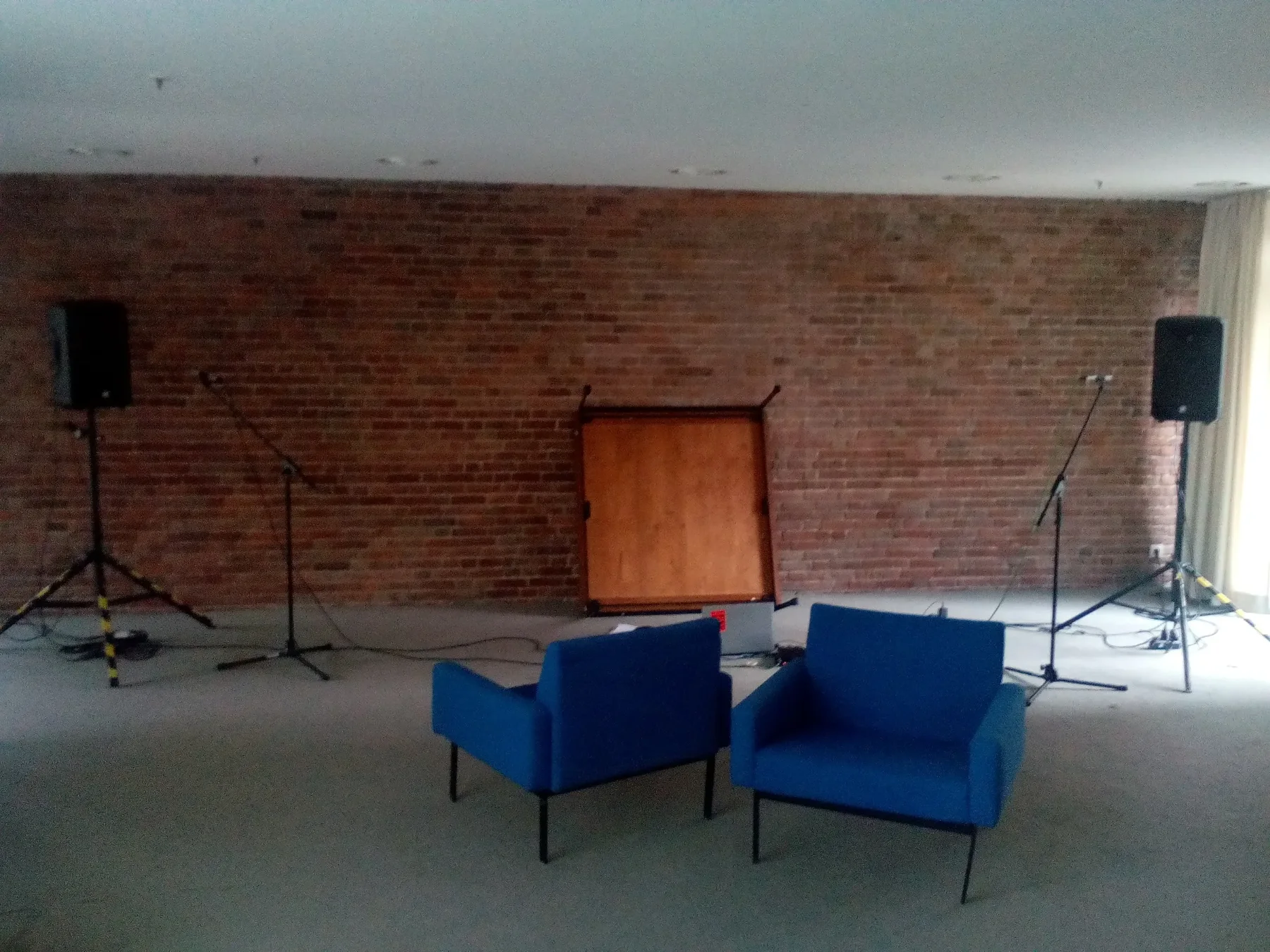
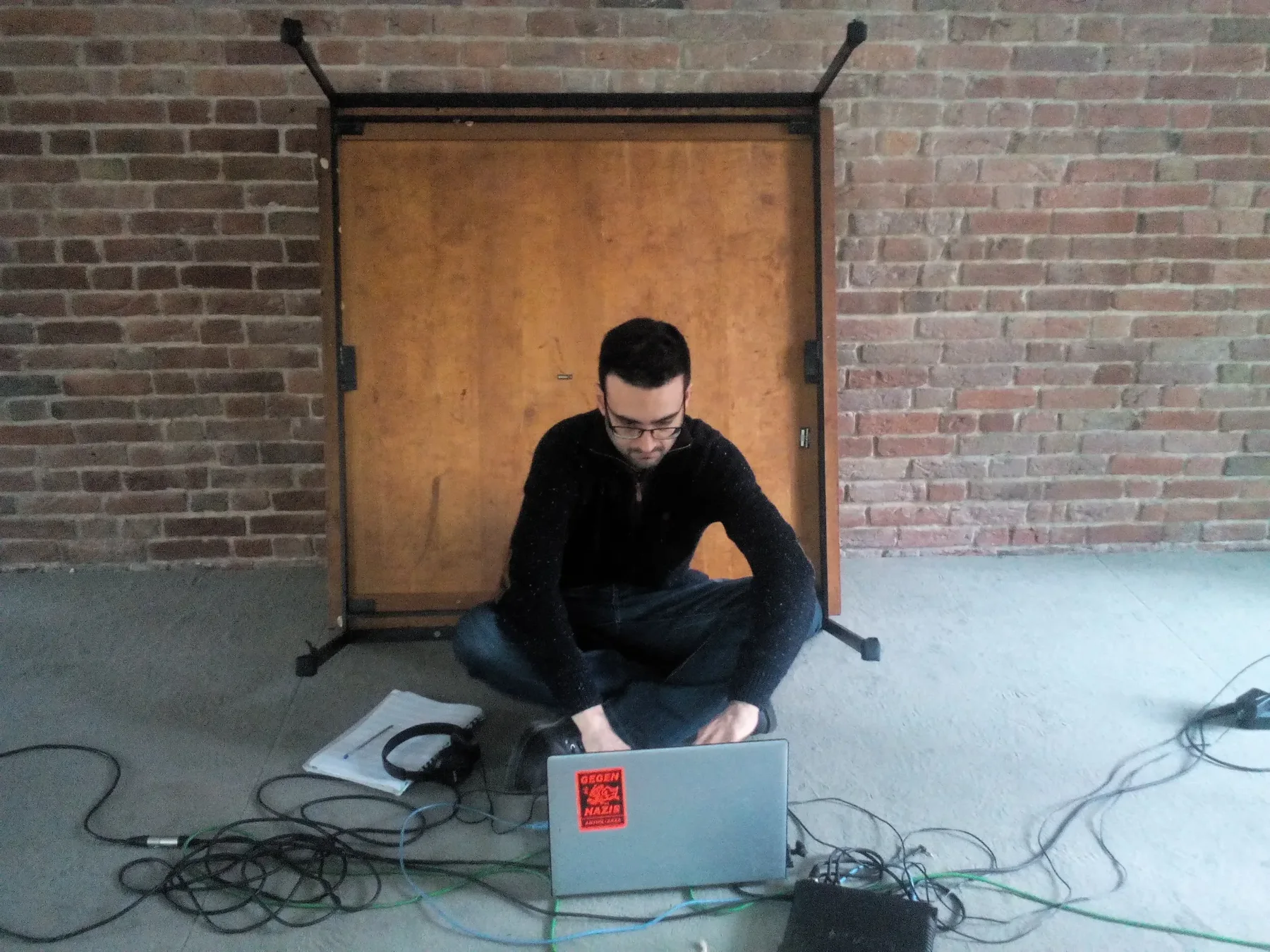
Hitzacker Musiktage,
Hitzacker, Germany, July 2018. Performances of our compositions by the winners
of the Deutscher Musikwettbewerb 2018, including my work McVities Disease,
conducted by me, as part of the Labor Beethoven project.
Labor Beethoven 2018
Labor Beethoven, 2018.
Installation in collaboration with Thanos Sakellaridis, Akademie der Künste,
Hanseatenweg. Original concept by Thanos Sakellaridis.
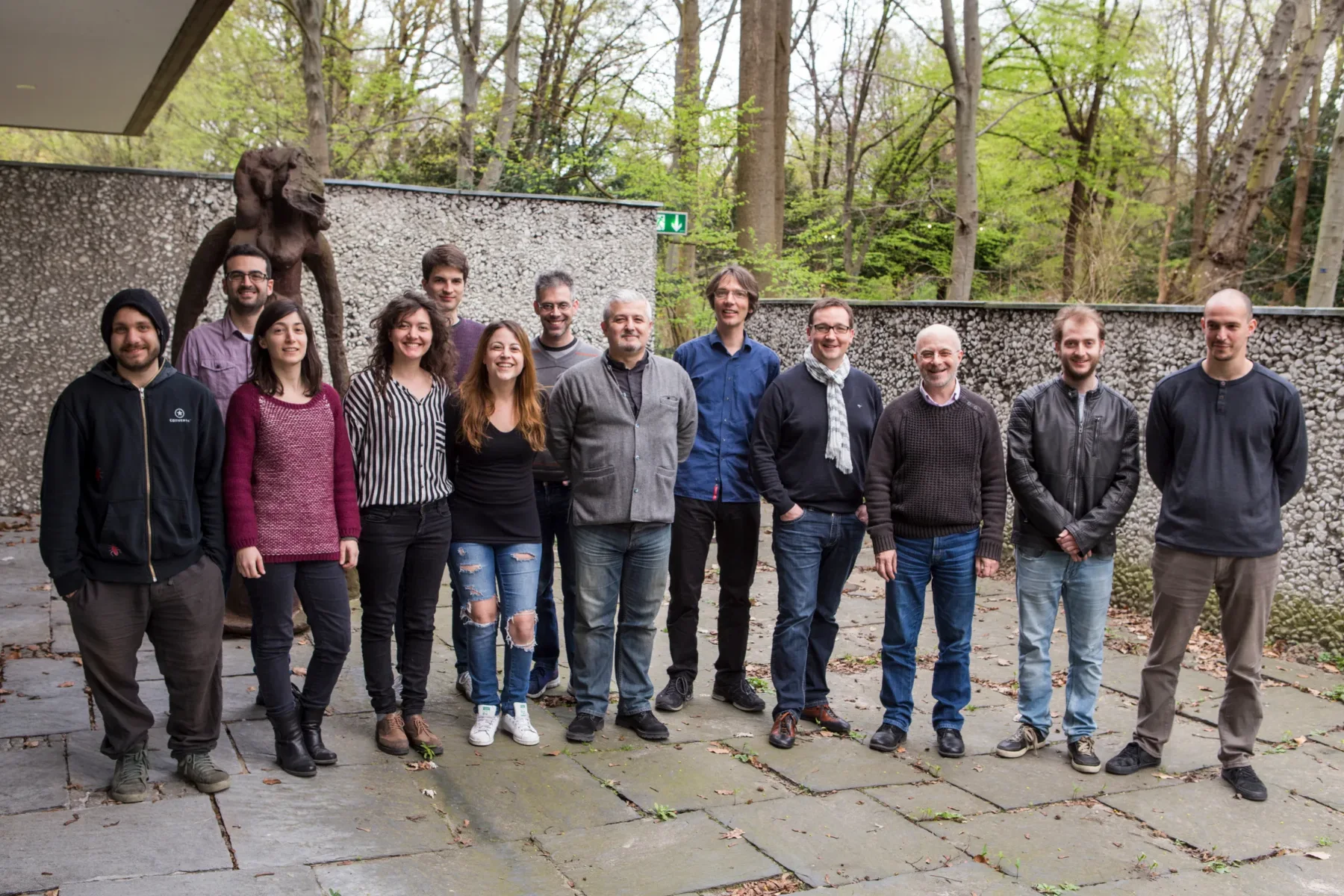
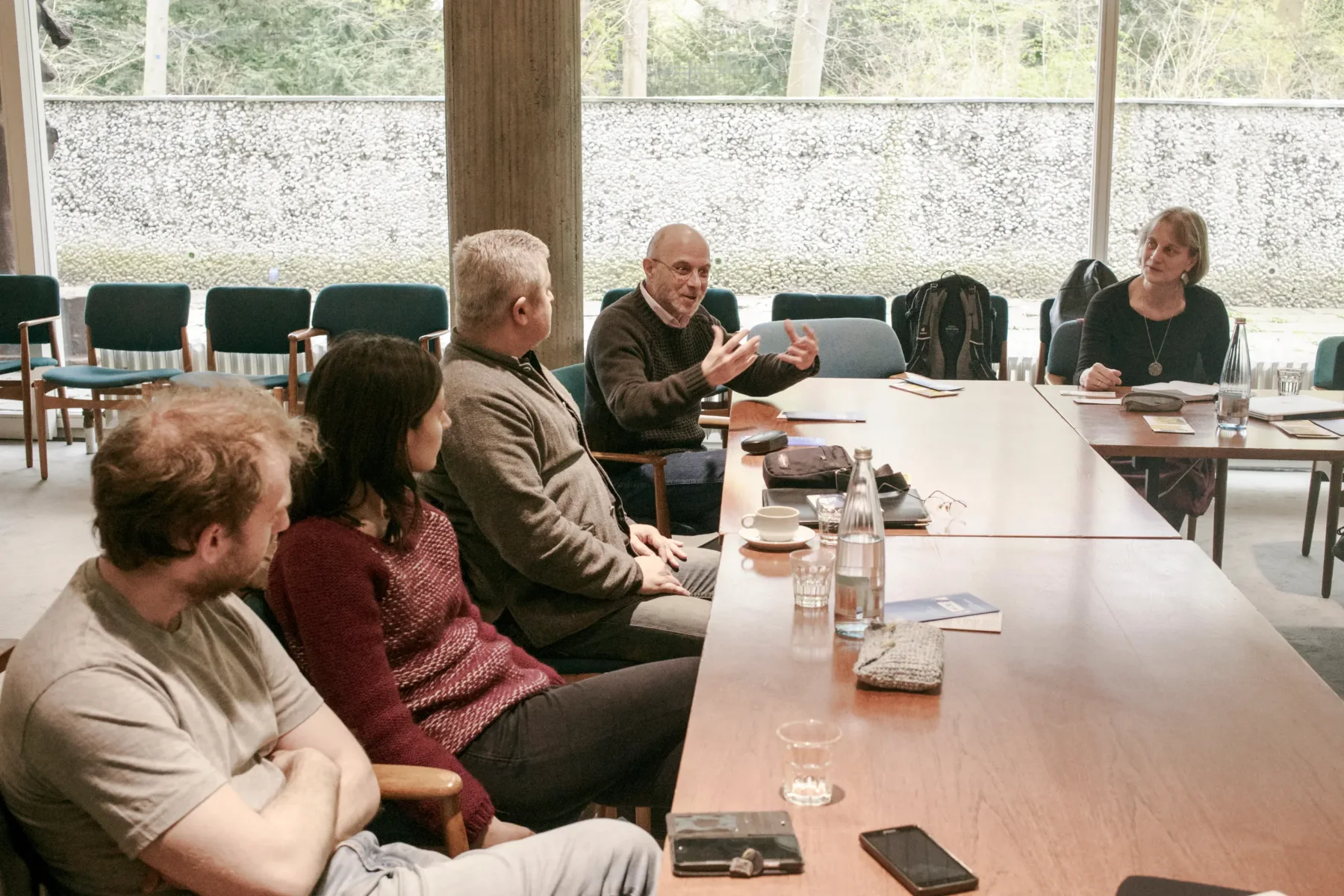
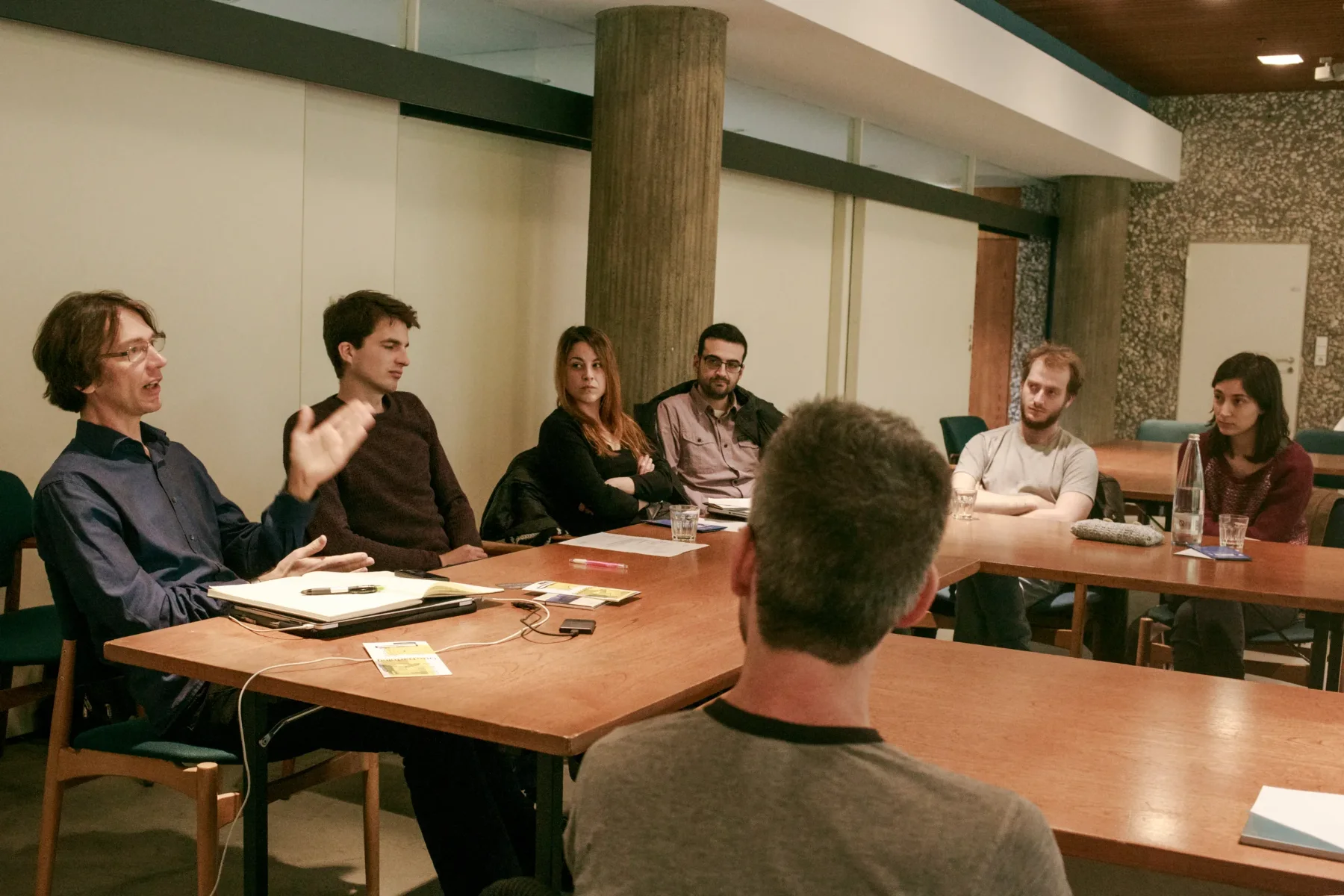
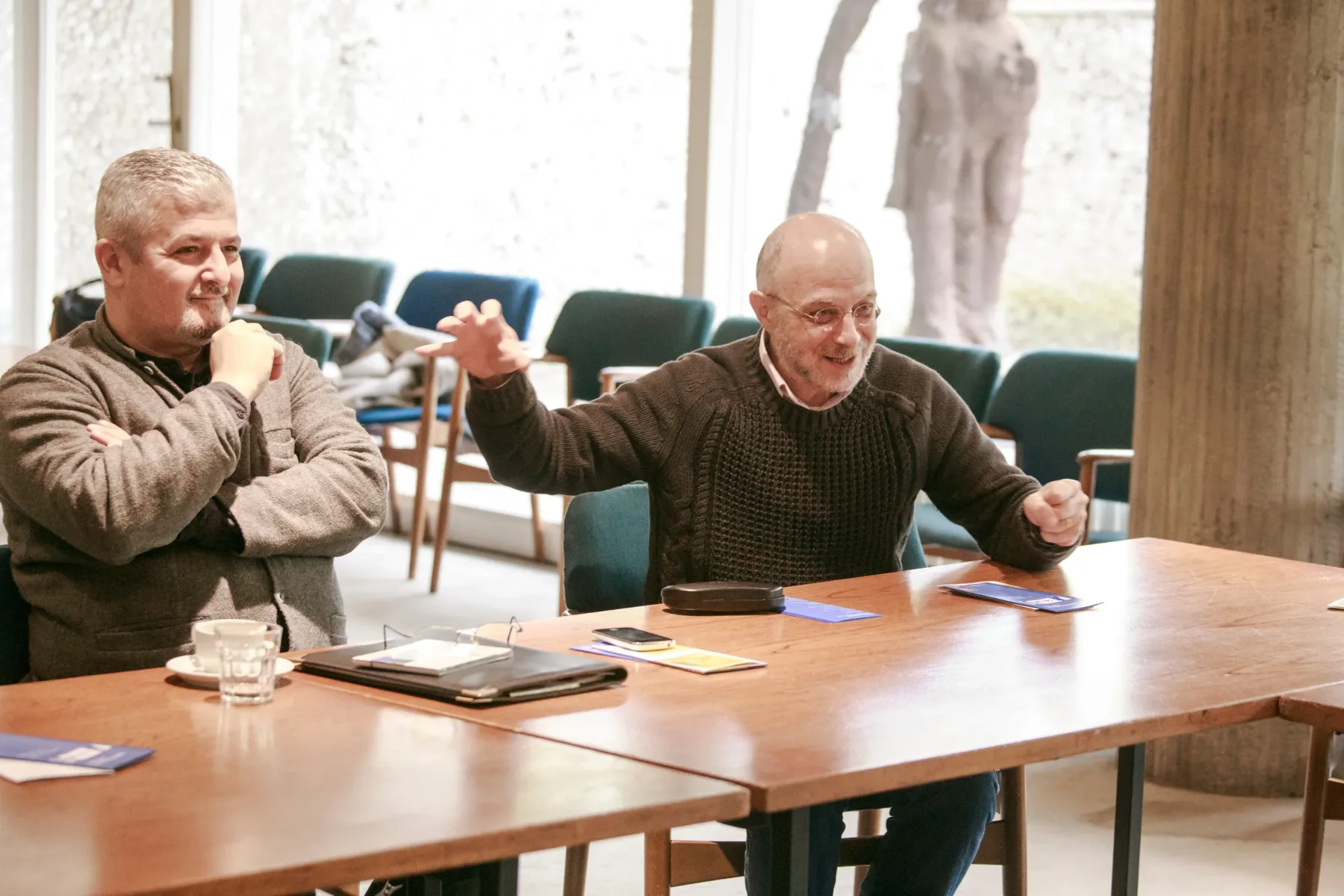
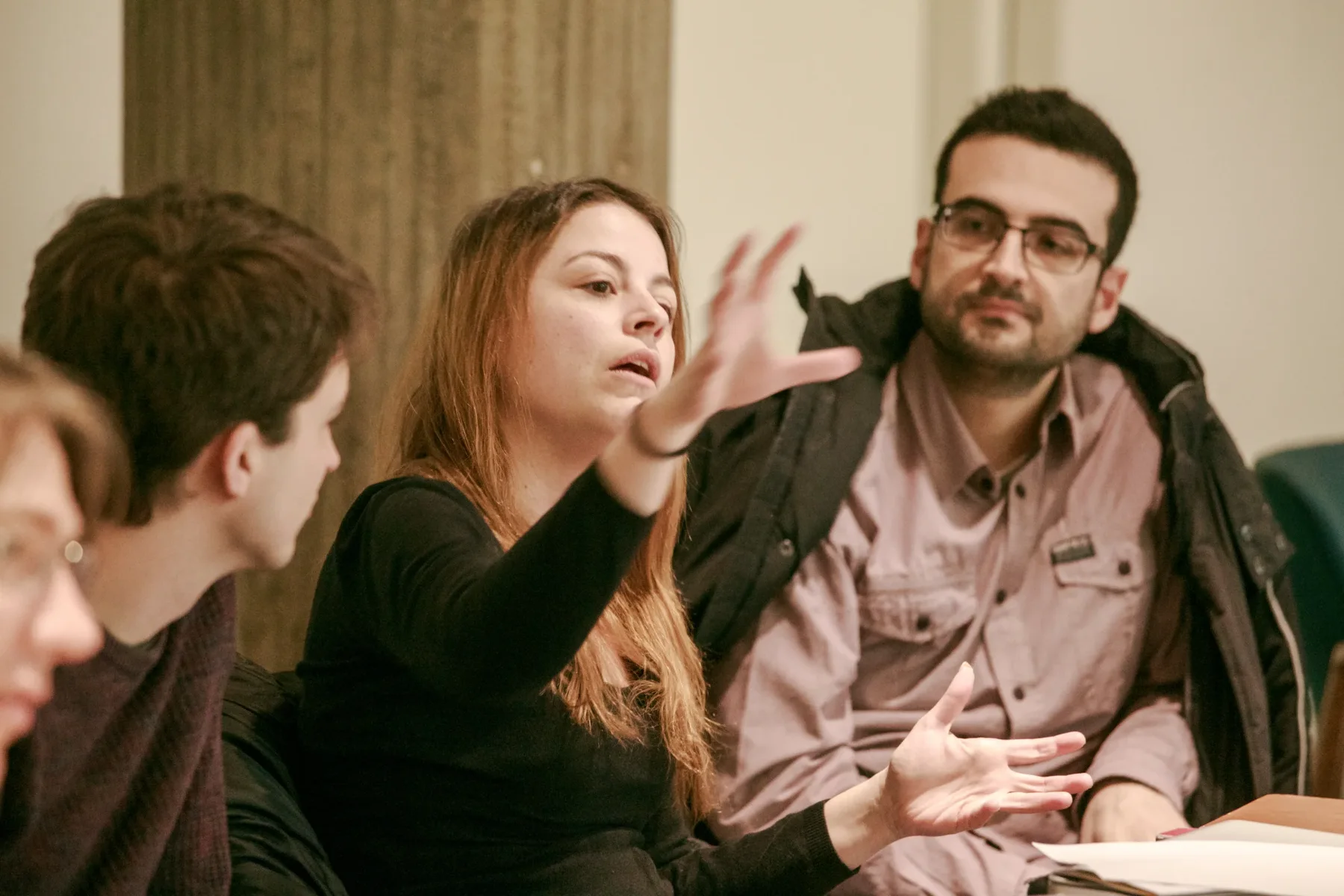
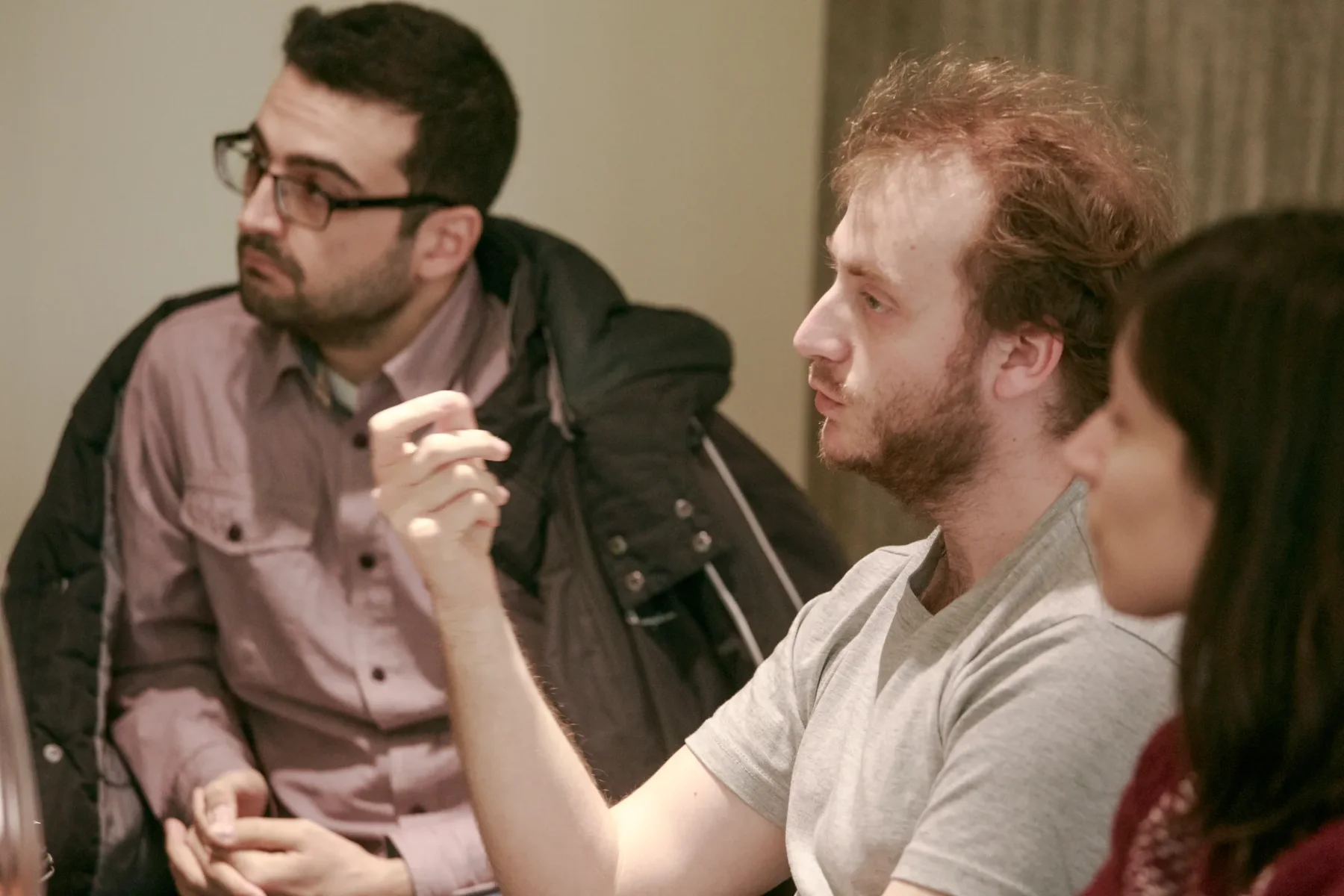
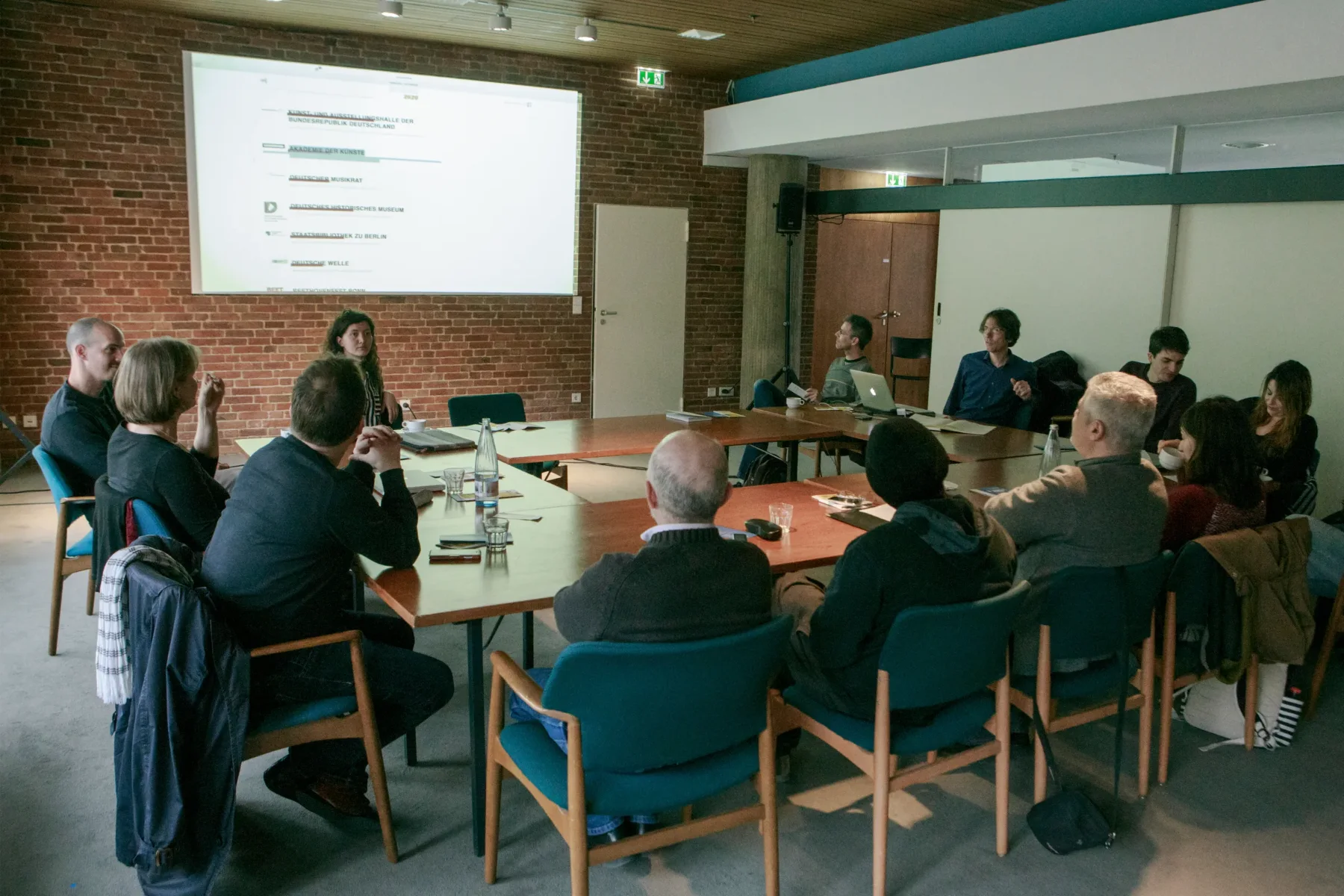
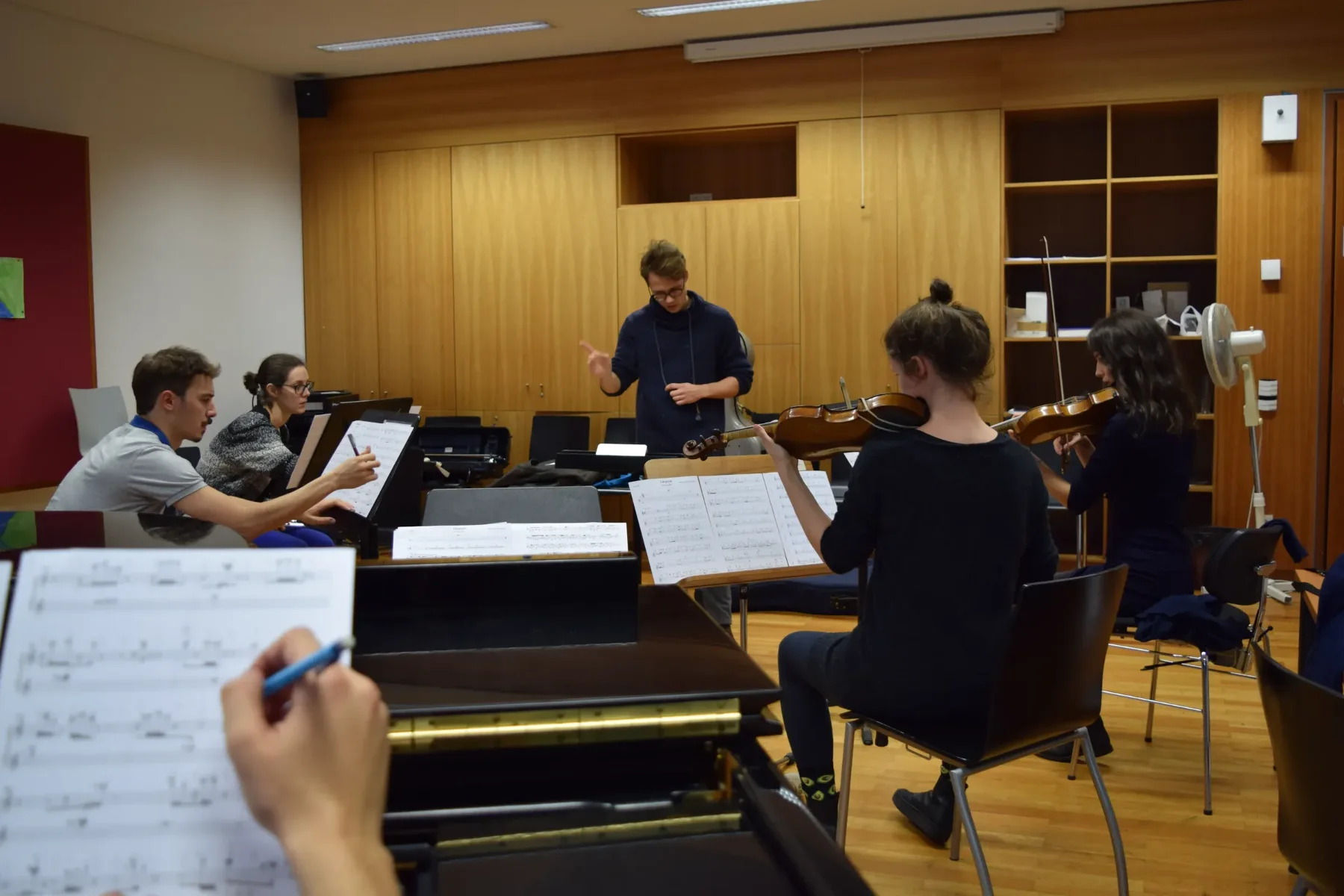
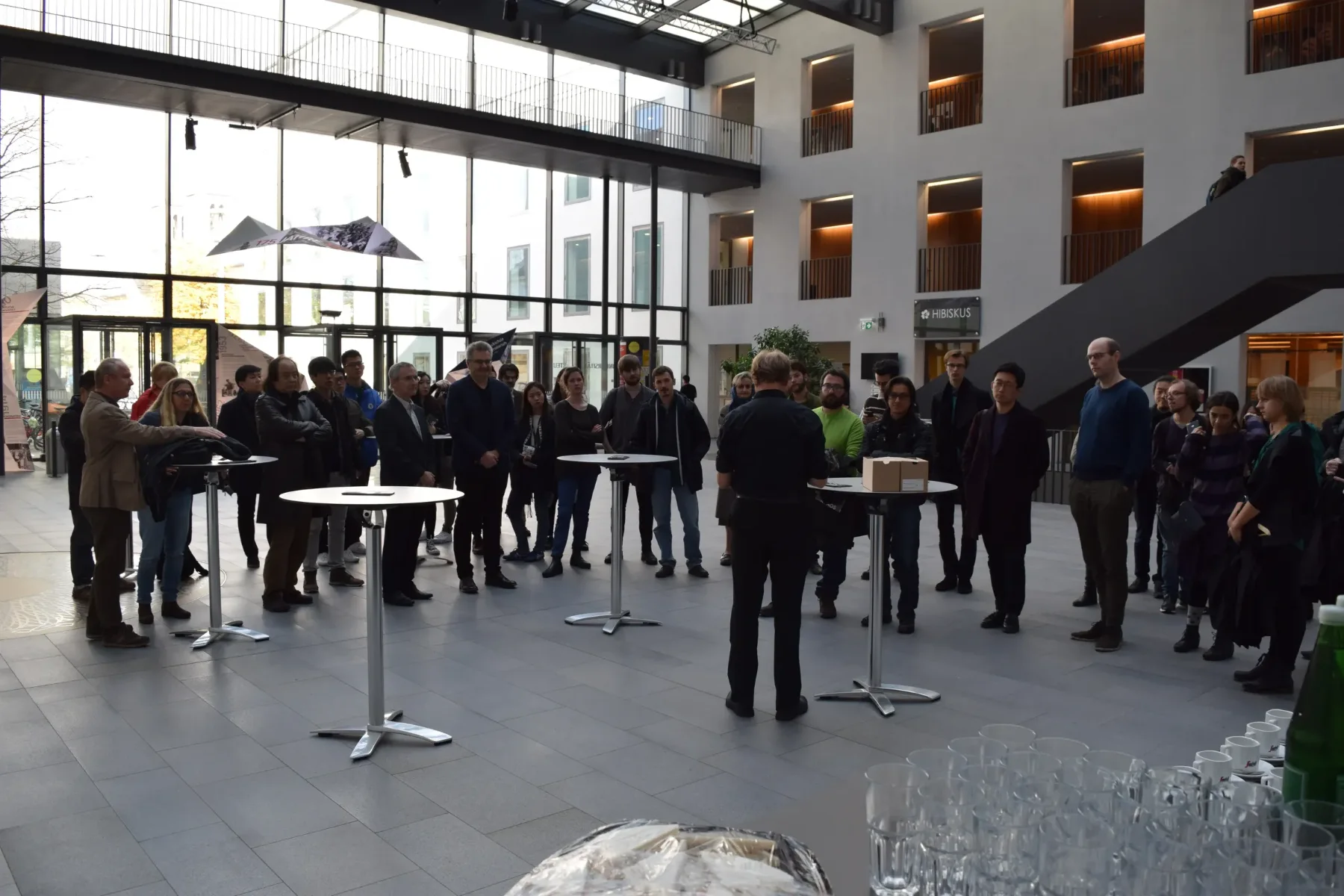
Labor Beethoven 2017
Labor Beethoven first meeting 2017. Foto © gezett.de
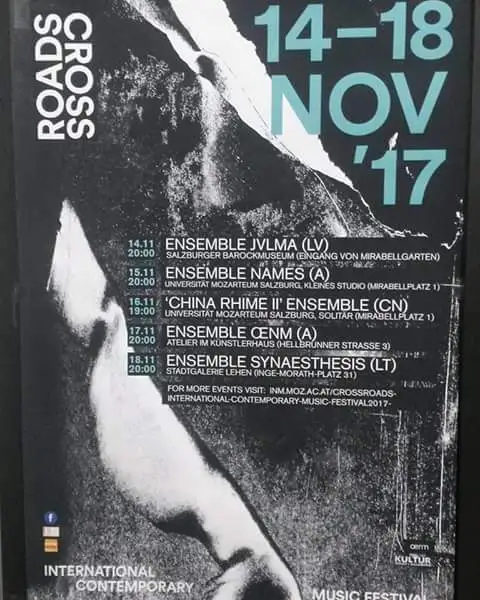
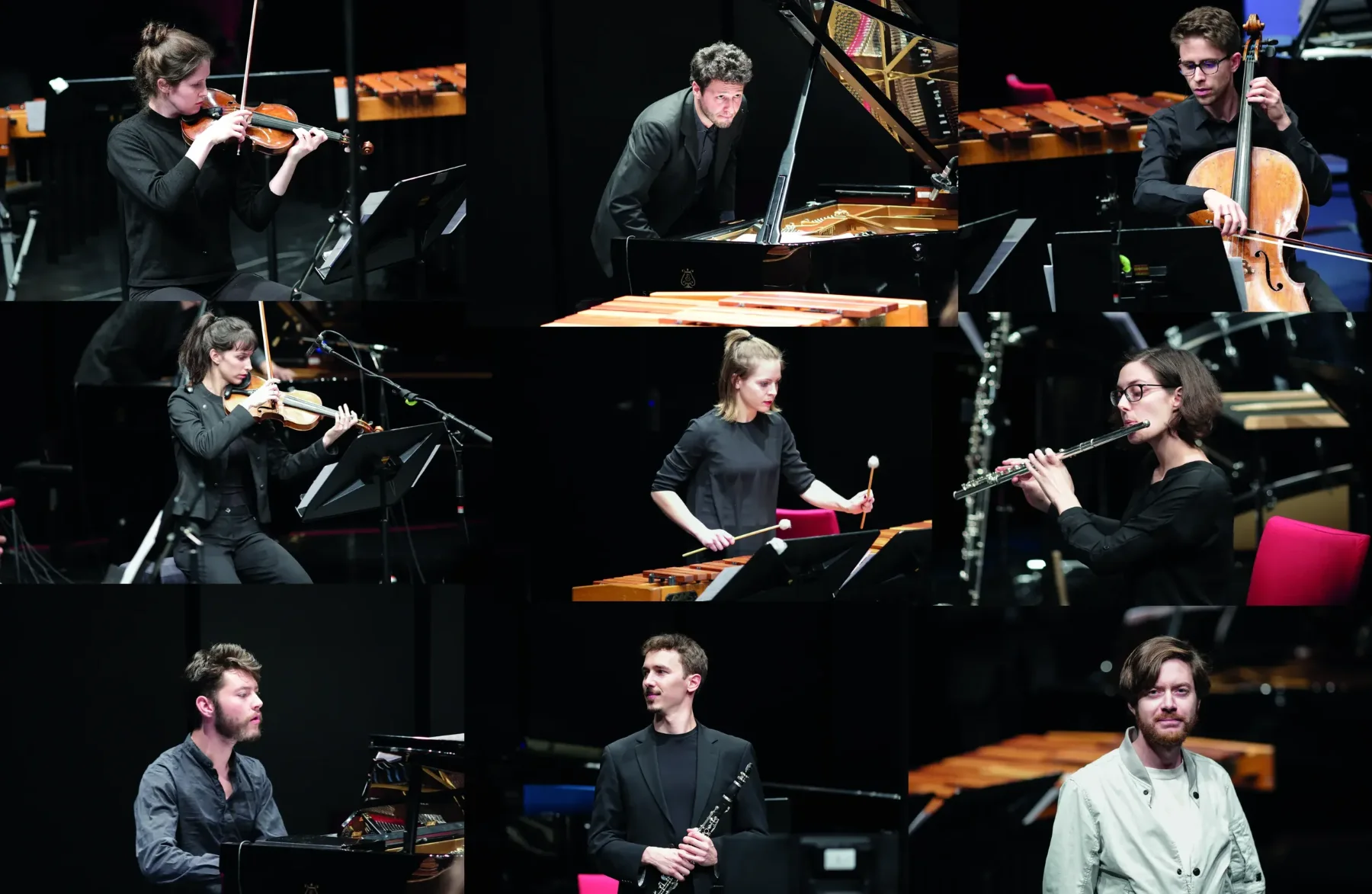
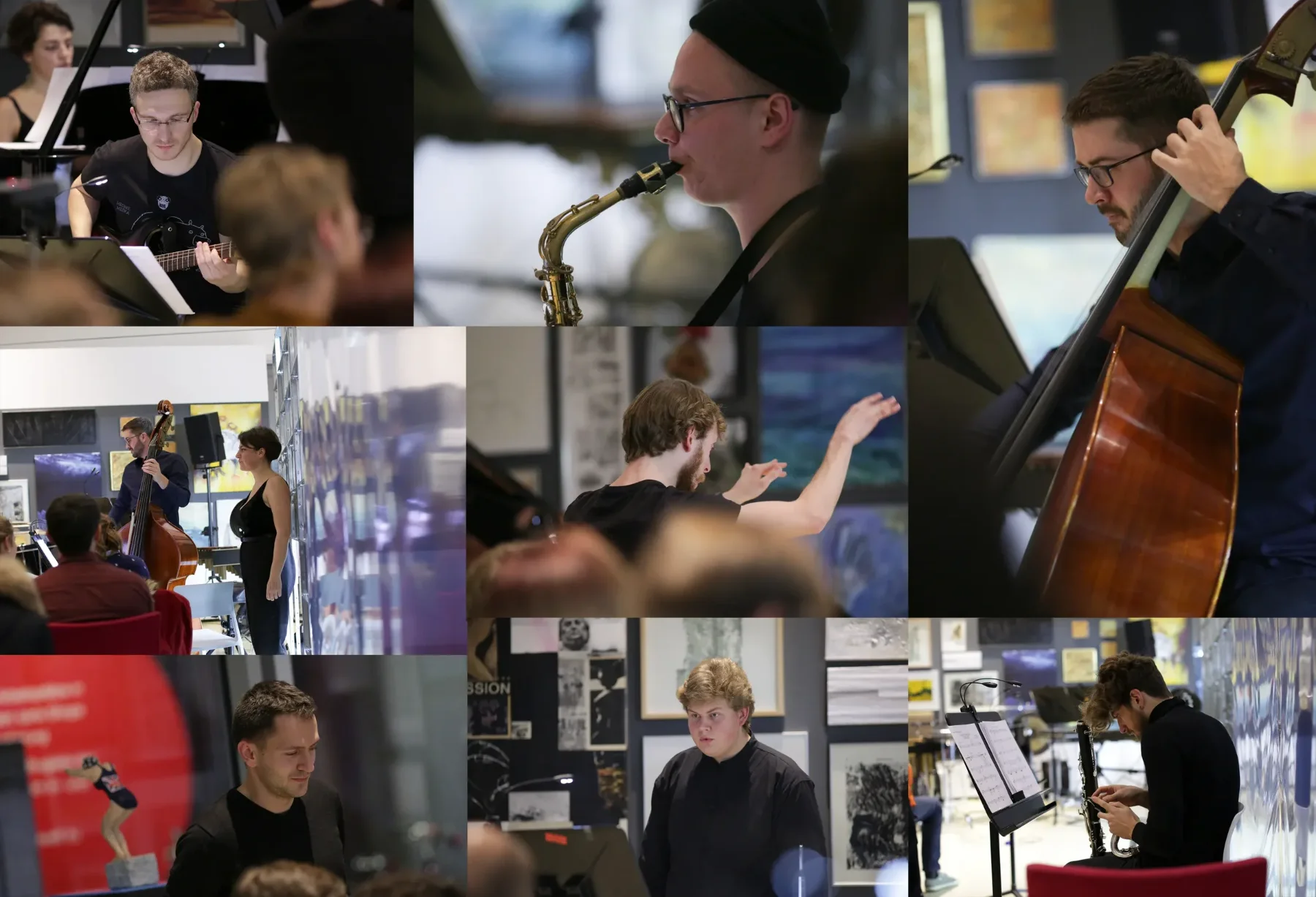
Crossroads Festival 2017
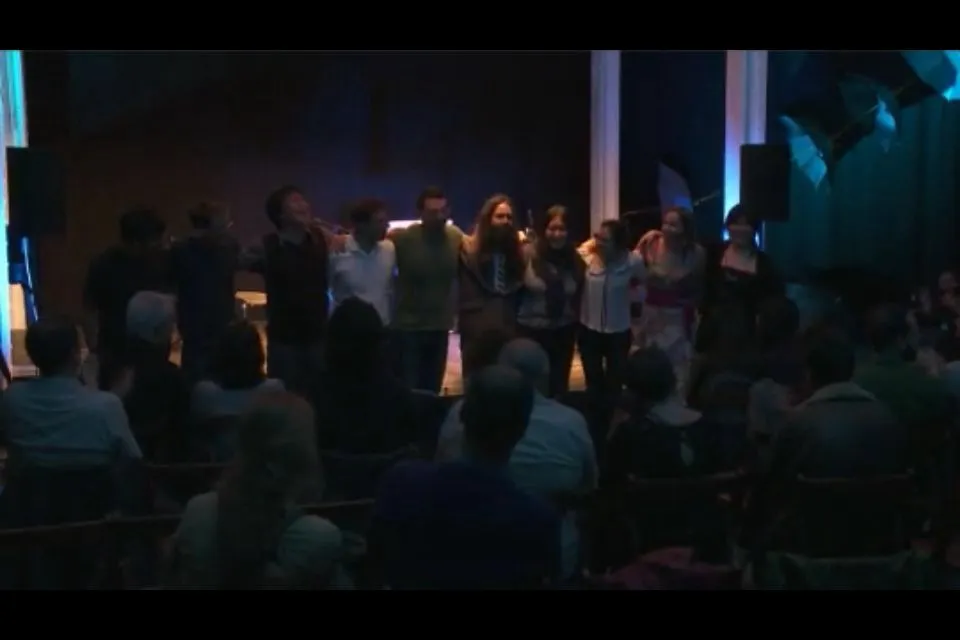
Crossroads Festival,
Salzburg, 2017. Performances of two of my compositions, one by NAMES and the
other by the Synaesthesis Ensemble.
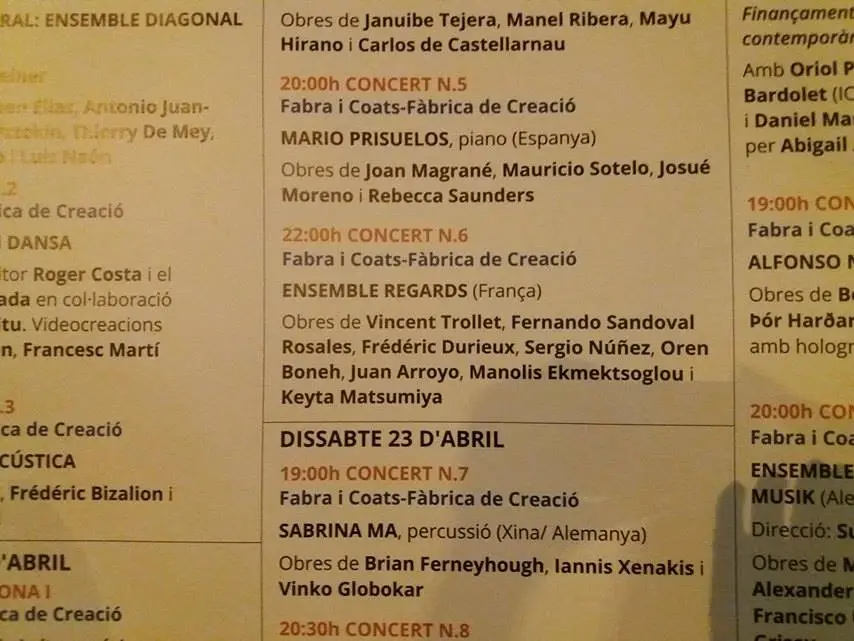
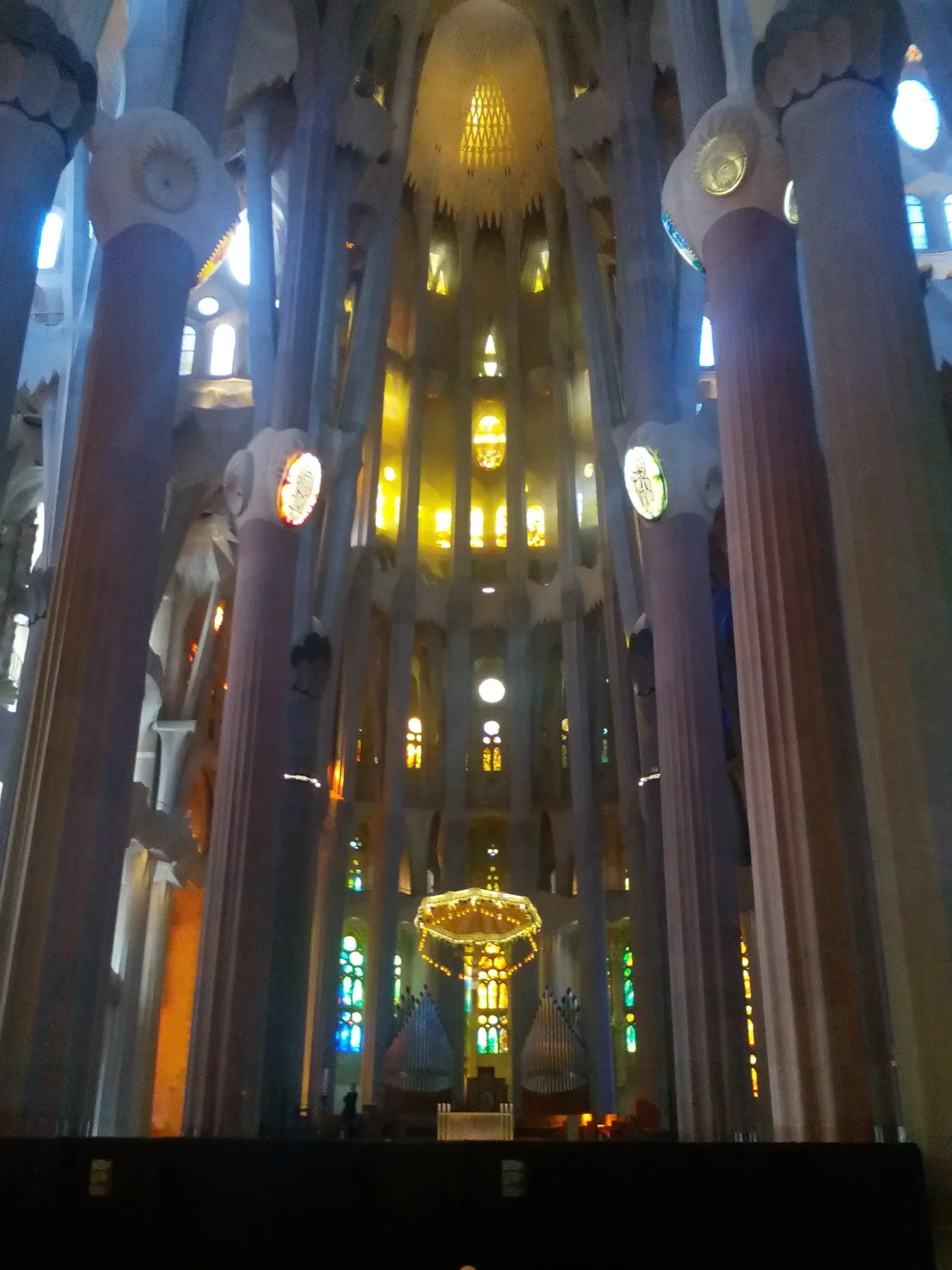
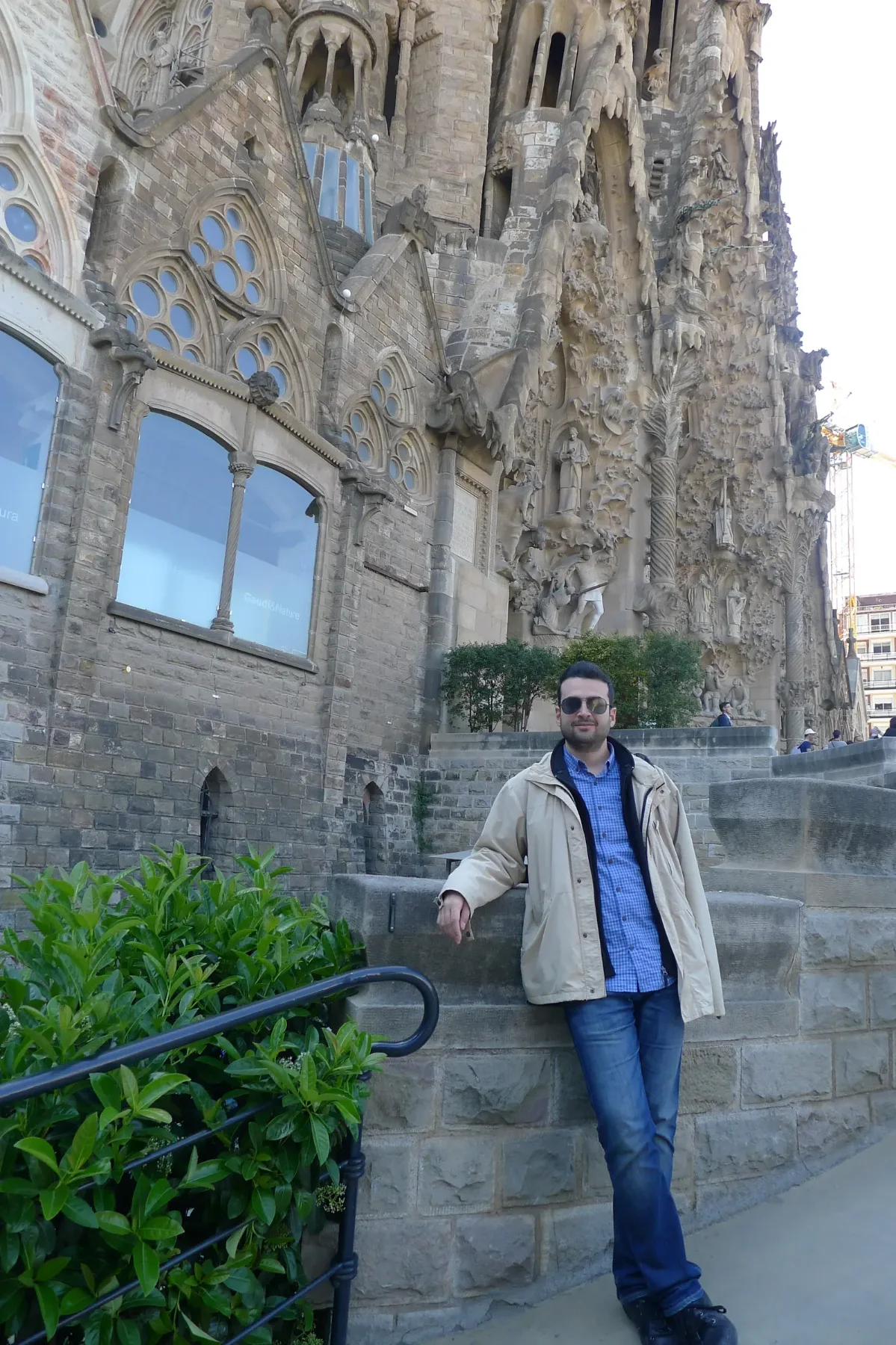
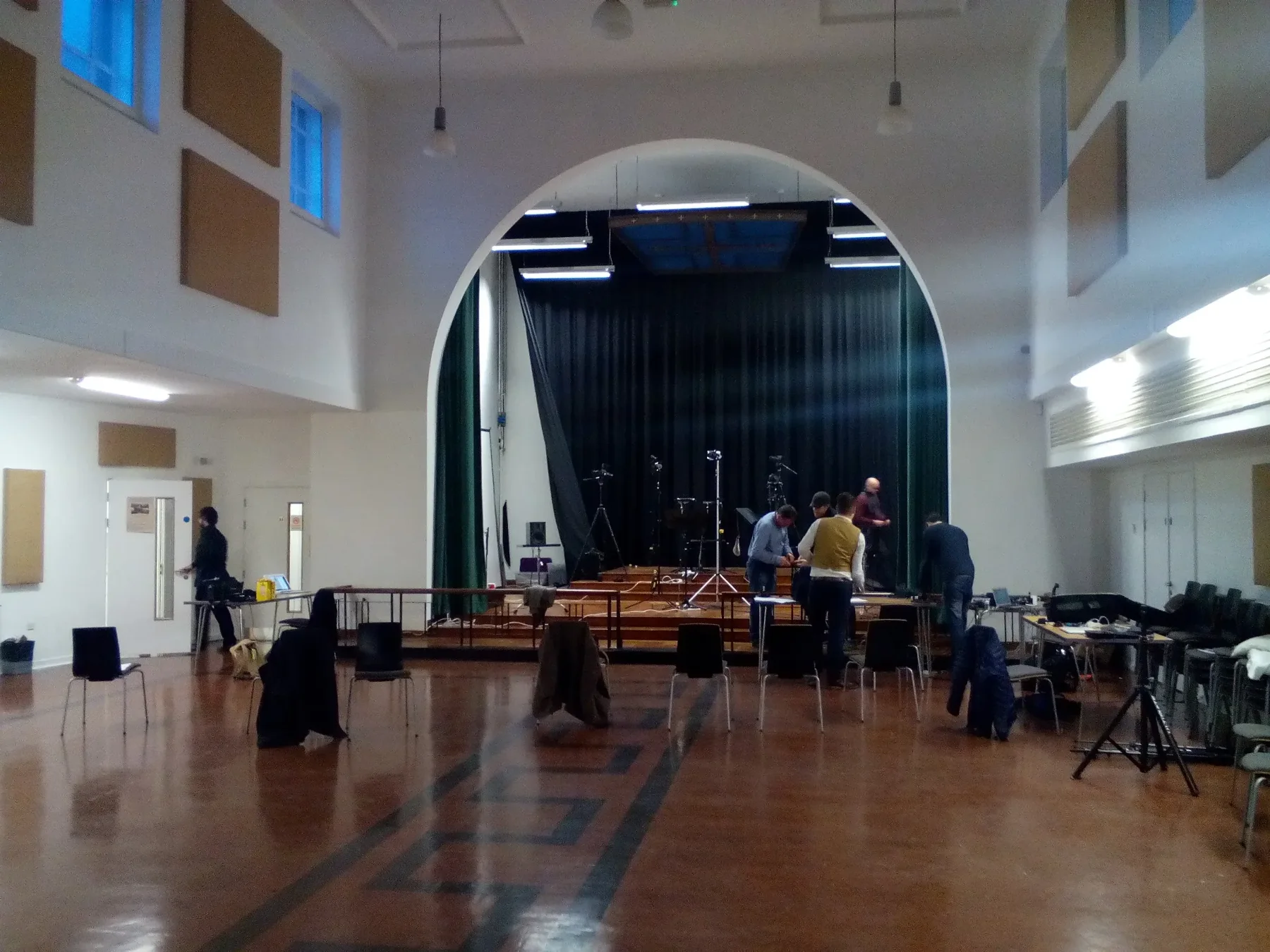
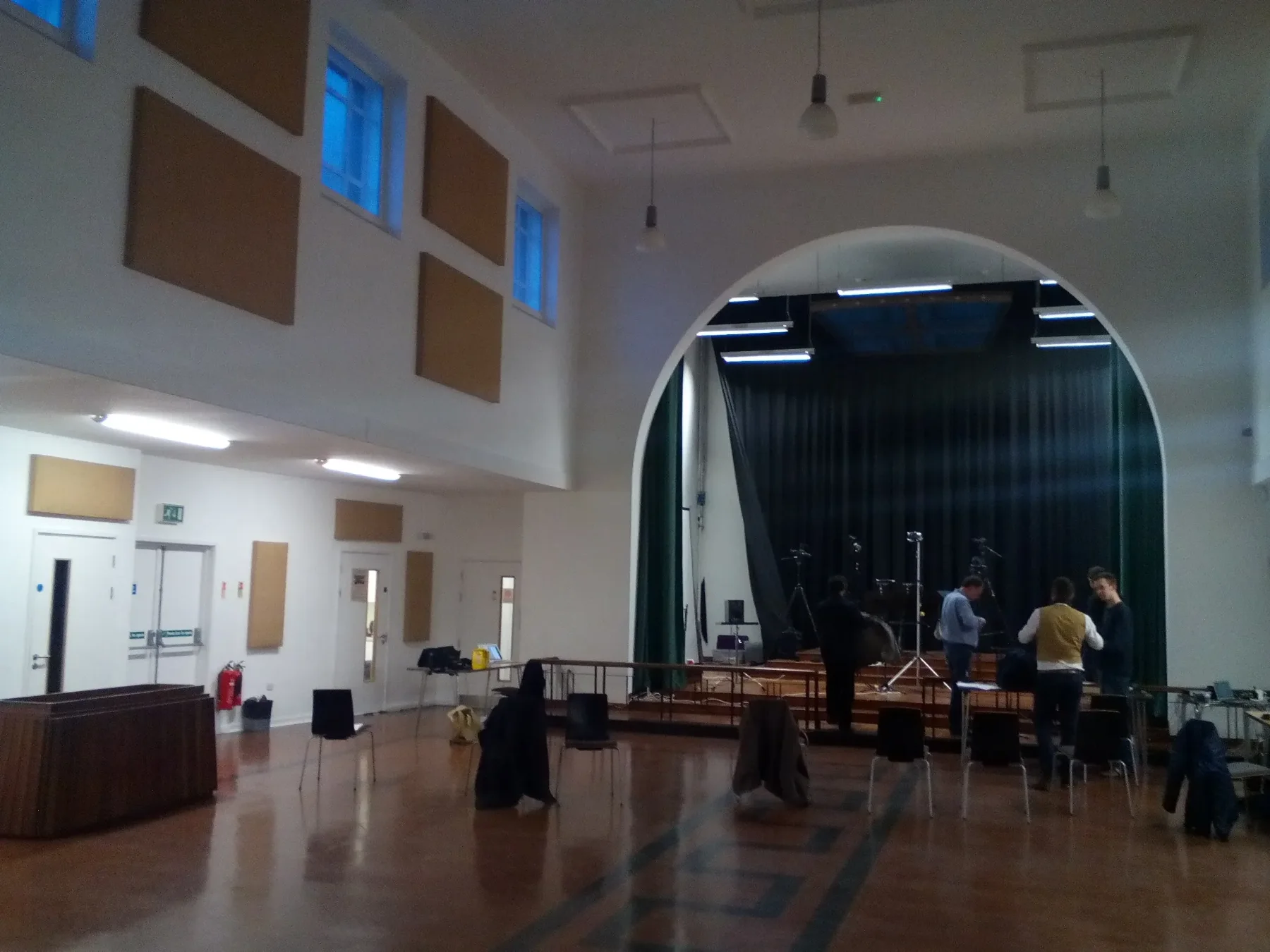
Mixtur Festival Barcelona 2016
Mixtur
festival, Barcelona May 2016.
Composed Little Mass No. 2, for ensemble Regards.
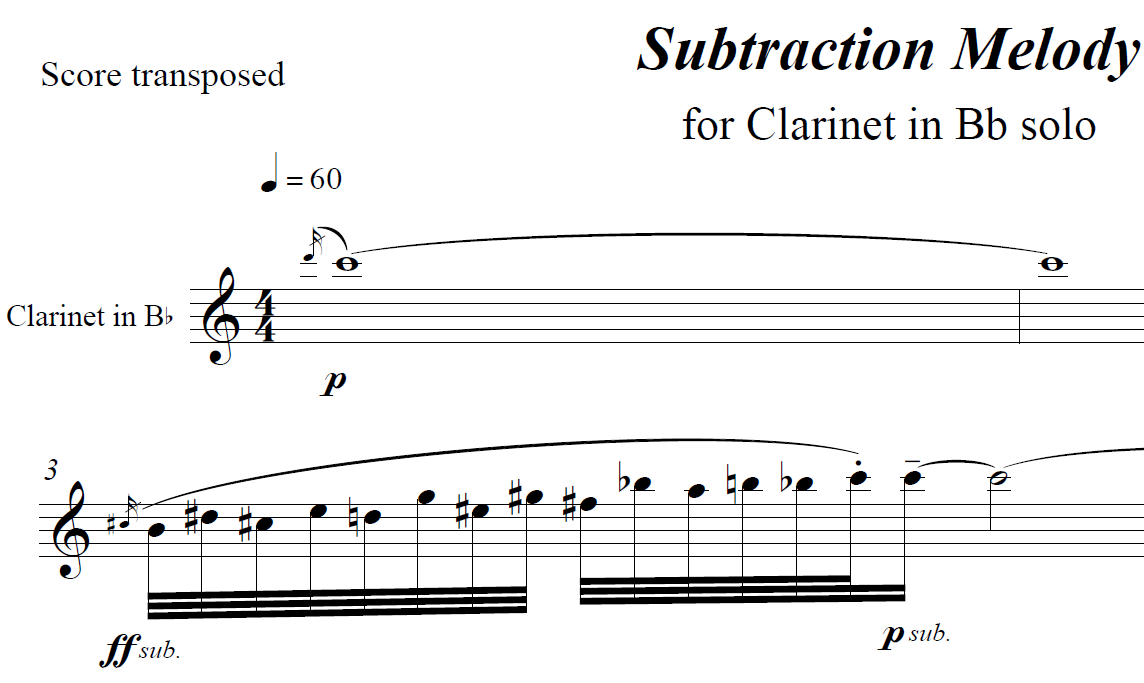
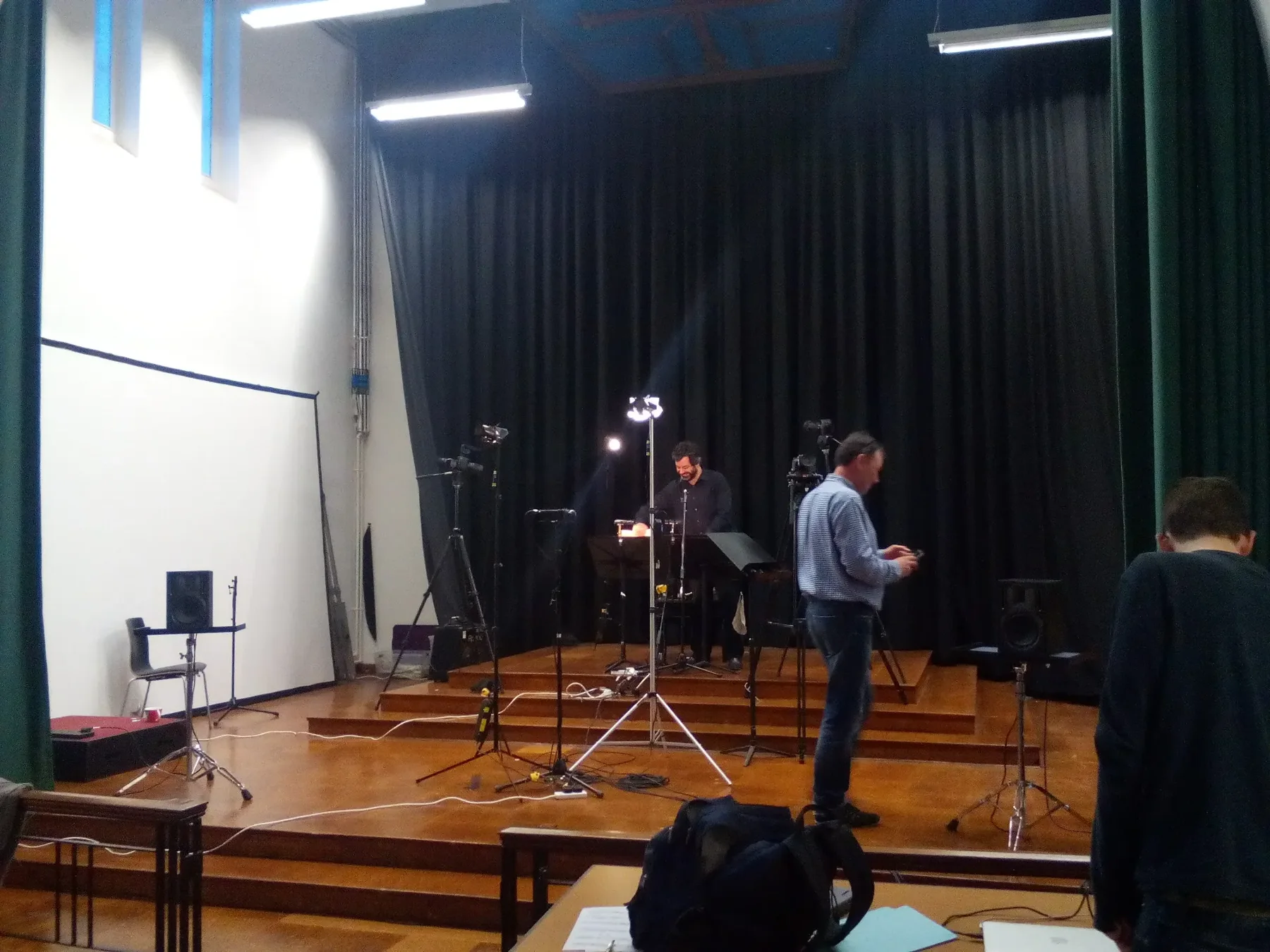
Project With Psappha Ensemble
Psappha ensemble
“Composing for Clarinet” project, Manchester October 2015-March 2016.
With Dov Goldberg (clarinet) and fellow composers.
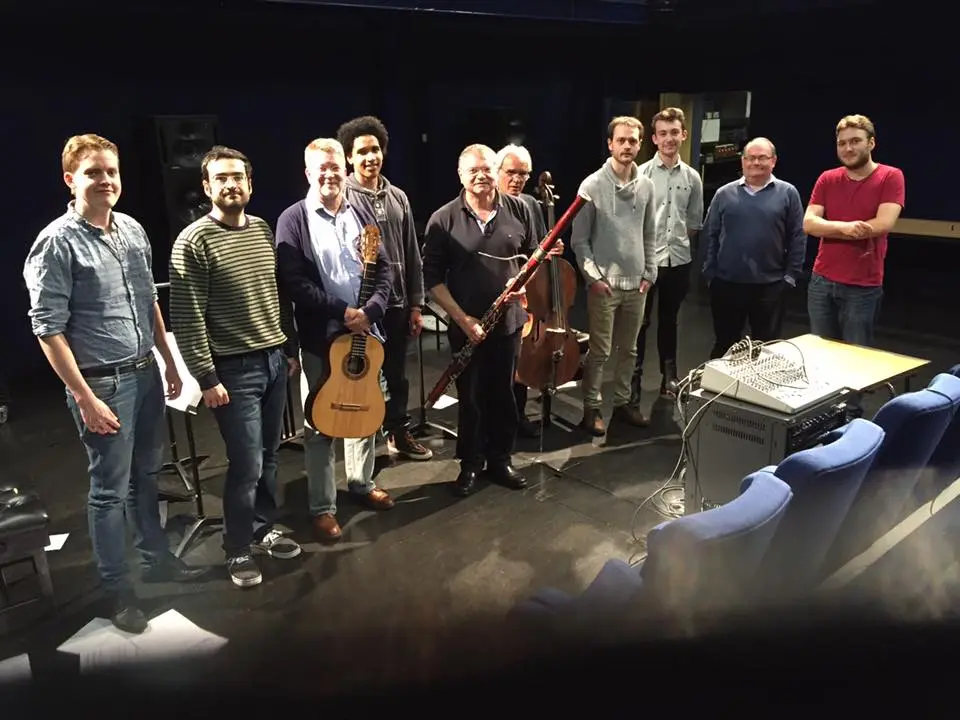
Gallois Trio Rehearsal
Workshop with Pascal Gallois, Magnus Andersson, Rohan de Saram trio for bassoon, guitar and cello. Workshopped work: Pyrrhichios. York, October 2014-June 2015
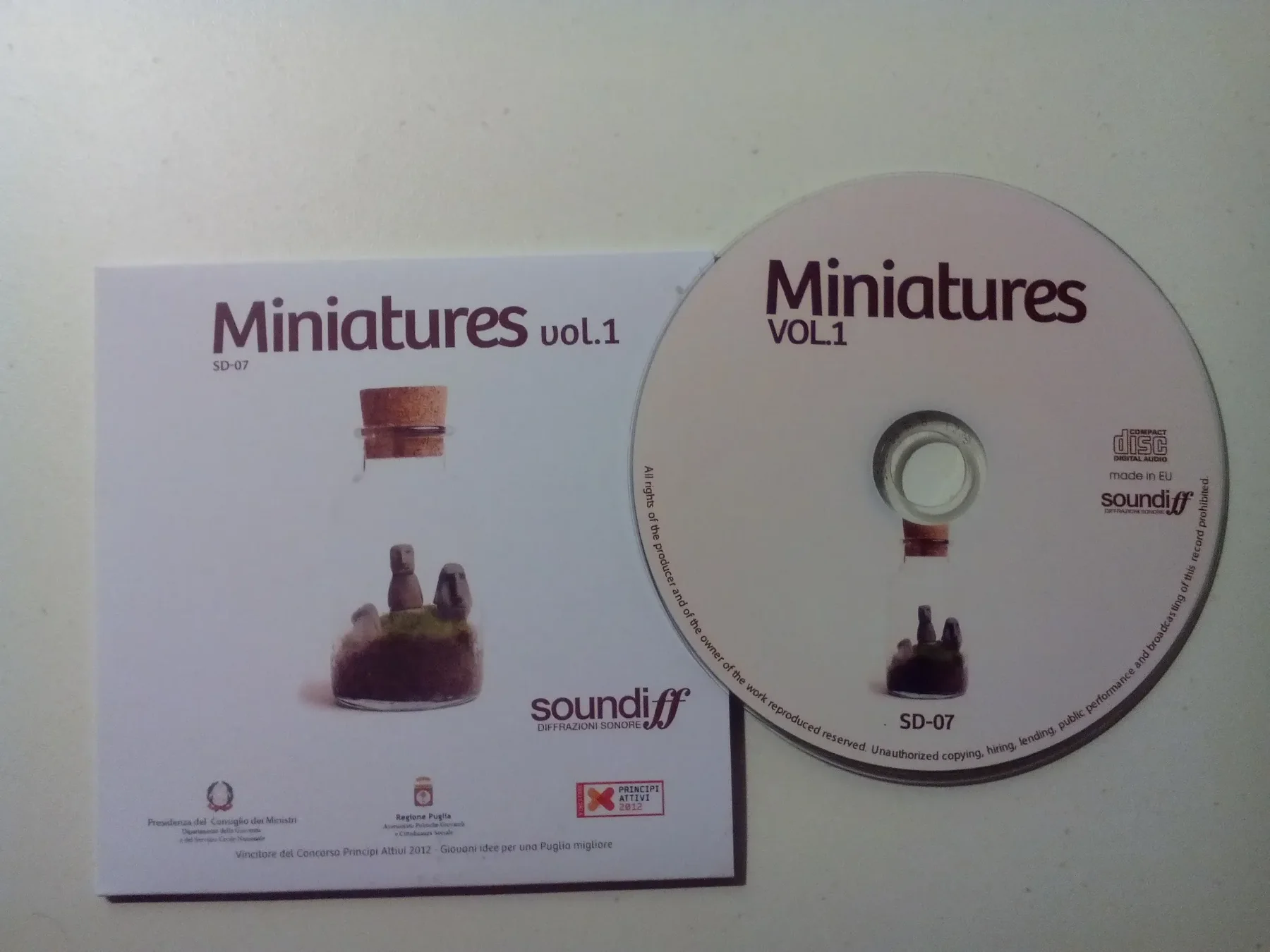
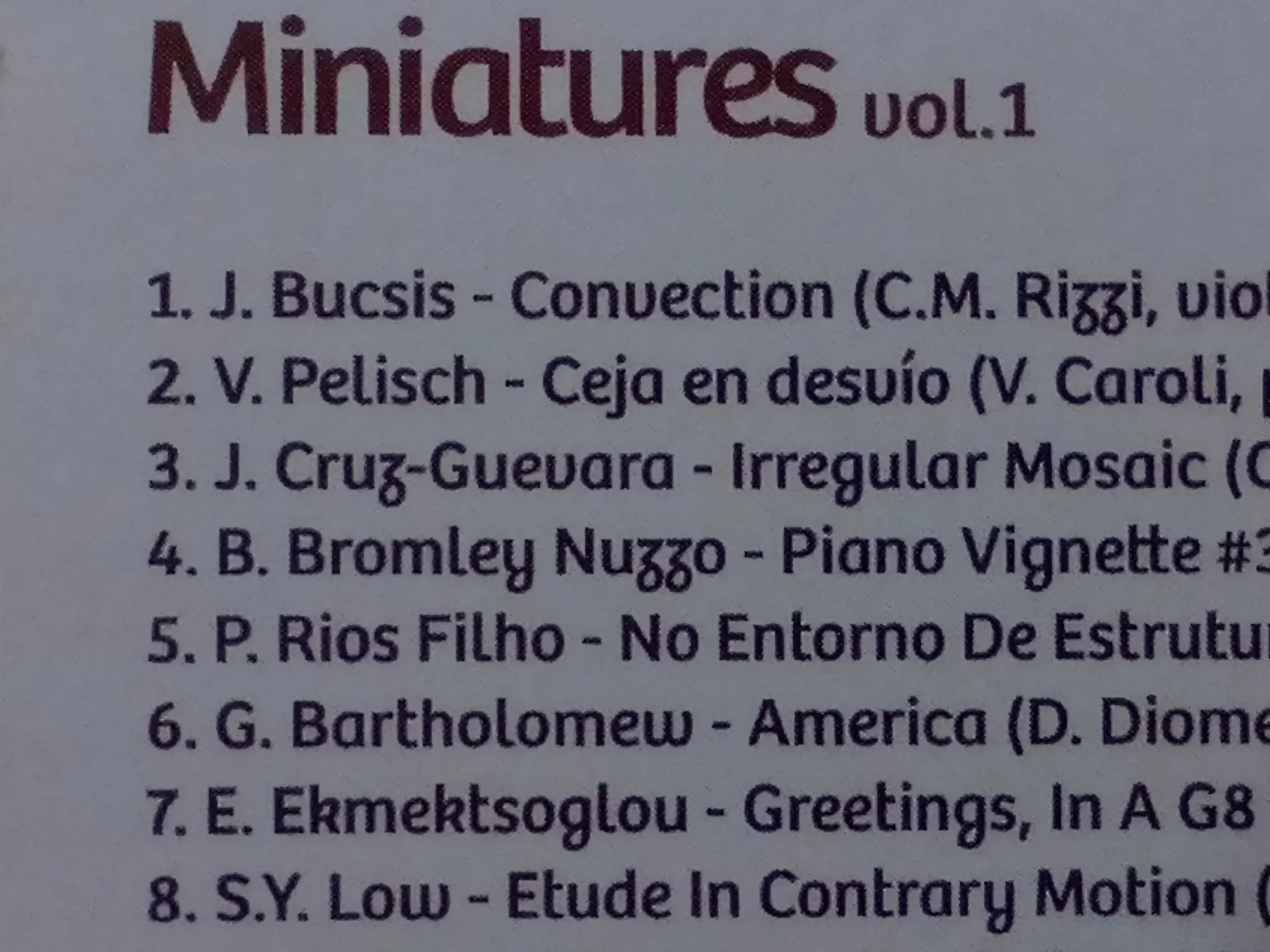
Soundiff Project 2014
Participating work: Greetings,
in a G8 Countries Conference, for solo cello. With Elia Ranieri.
Interviews
On Creating Motion in Two, for Solo Violin, Karol Szymanowski Competition 2023
[…] the sound of this
piece definitely stayed with me after the second stage of auditions. To
better understand the work, it’s worth getting to know the method used by this
composer.
This is how he
explained it to me late in the evening when we were talking after the final
auditions of the string quartets: „I constructed this piece by following a
composition technique I have developed – Selective Subtraction of Tone and
Rhythmic Material method. I called it like that, because it’s based on
subtraction processes. If we have a melody, a scale, a pattern, or blocks of
notes as a primary material and we cut out some of the notes, composition will
obtain a transformed, yet new material. And if we do it again and continue to
cut out further parts of the piece, thus the creative process will develop.
That way we build material”.
Referring
directly to his work for solo violin and its performances, the composer instead
pointed out: „It’s obvious in the composition, that the music is based on the
series of the same patterns and ideas given in another way. “Motion, in two”
has different sections, that are in a way related one to another, recycled so
to speak. We can hear that the sections have something in common, but they have
been transformed in my creative way.
All this
merging and recycling creates linearity that we are used to call in music as
just long melodies. The nature of subtraction has signs of randomness, since
the composer is also supposed to use their intuition. New subtracted patterns,
scales, melodies are sometimes unexpected, very unique and in a way illogical
and irrational. And this irrationality included in the composition is for me
fascinating”.
I encourage
you, also based on what Manolis Ekmektsoglou suggested during our conversation,
to listen to two completely different interpretations of his composition
performed by participants from the second stage: Sara Dragan and Sofia Manvati.
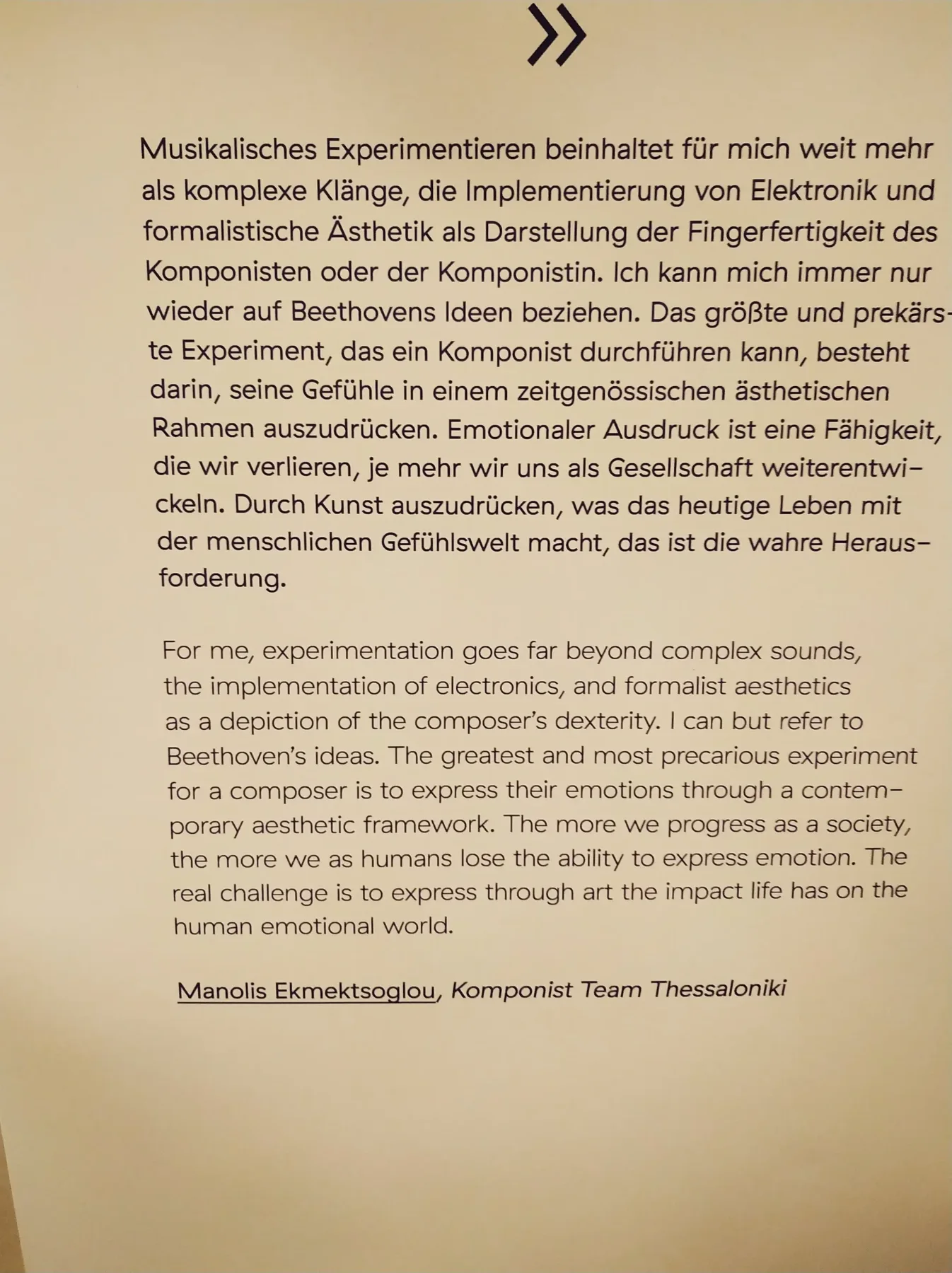
A Comment on Experimentation and the Documented Story of Labor Beethoven Project 2020
German
Musikalisches
Experimentieren beinhaltet für mich weit mehr als komplexe Klänge, die
Implementierung von Elektronik und formalistische Ästhetik als Darstellung der
Fingerfertigkeit des Komponisten oder der Komponistin. Ich kann mich immer nur
wieder auf Beethovens Ideen beziehen. Das größte und prekärste Experiment, das
ein Komponist durchführen kann, besteht darin, seine Gefühle in einem
zeitgenössischen ästhetischen Rahmen auszudrücken. Emotionaler Ausdruck ist
eine Fähigkeit, die wir verlieren, je mehr wir uns als Gesellschaft
weiterentwickeln. Durch Kunst auszudrücken, was das heutige Leben mit der
menschlichen Gefühlswelt macht, das ist die wahre Herausforderung.
English
For me, experimentation
goes far beyond complex sounds, the implementation of electronics, and
formalist aesthetics as a depiction of the composer’s dexterity. I can but
refer to Beethoven’s ideas. The greatest and most precarious experiment for a
composer is to express their emotions through a contemporary aesthetic
framework. The more we progress as a society, the more we as humans lose the
ability to express emotion. The real challenge is to express through art the
impact life has on the human emotional world.
Reflections in Beethoven, Form, Vision , and Universality
1. Was ist ihr
persönliches beethoven-moment, was schätzen sie an seiner
musik am meisten? (what is your personal Beethoven-momentum – which aspects do
you appreciate most of his music?)
My favourite Beethoven piece is the second movement of
the Sonata No.27 in E minor Op.90. It is so exciting that,
although it begins from a very simple, (and miraculous) melody, it later
engages a huge development. The way this development is realized is what I also
find particularly interesting and I think this is one of the most important aspects
of his music: the development of the form that yields a sculpture of colossal
dimensions.
2. Welche aspekte der beethovenschen musik halten Sie von heute gesehen
für besonders zukunftsweisend? (which aspects of Beethoven’s music you think,
seen from todays point of view, are most “futurable”?)
For me,
Beethoven is the archetype of the composer: dedicated, hard-working,
uncompromising. His will to explore new musical paths, which will yet produce
very interesting results, could be the “Fahrer” for today’s composer.
3. Ist beethovens musik weltmusik? was macht sie dazu? (is Beethoven’s music
world-music? what makes beethoven world-music?)
Beethoven’s
music is simultaneously local and universal; in other words, it is capable of
conveying messages to international audiences at the same level it does to
local, German ones. In my opinion, this is the absolute goal of Art in general
and is absolutely mirrored in Beethoven’s 9th Symphony: its purpose is to
spread a message of Joy and Brotherhood to all people in the world.
On Music, Poetry, and the Voice
1. What has it
been like to share your creative process with a poet?
It was one of the most
amazing things I’ve ever made in music! However, most of the credit should be
given to the author of the poem I worked on, Bernadette O’ Horo. Once I read
Twisted Fingers, I said “OK, that’s my text!” and I really meant it. I immediately
loved the way she works with words. I also liked the narrative and the concept
of the poem. It was written for the World AIDS Day (1st December). This is why
I chose to compose a piece for Music Theater with some theatrical elements of
special meaning.
2. What was the biggest challenge you encountered when you composed your work?
Adding music to lyrics is
always a challenging thing to do in composition. Mostly, because of the answers
you have to seek for a number of questions that always emerge: how much
importance will I give to the meaning of the text? Should the lyrics be clearly
sung in order the audience be able to understand everything? Will the structure
of the text be a guidance to composition and maybe enlighten me regarding the
building of the overall sculpture? What’s the role of the voice in all these?
Especially regarding the latter, from my point of view, the voice is not just
an instrument. Some people know playing a musical instrument, but we all sing,
more or less. So, the voice has a special meaning to all of us. Also, when you
add music to a text you deal with the words of a language. These words were
formed hundreds of years ago and subconsciously, may have special meaning to
specific people. It’s not a matter of luck that many pop singers choose to
write the lyrics of the songs they are about to sing. The music is assigned to
other people, it’s something more abstract. But writing the lyrics is still
something else.
3. Is your
final piece something different from the music you usually write?
I don’t have so many
opportunities to compose pieces that include voice, let alone a narrator. So,
yes, this is a different piece than the ones I usually compose for my projects
as both a soprano and narrator participate. Also, I found awesome the fact that
the narrator will be represented by the poet herself!
4. Do you
think the audience for contemporary music needs to grow? Why?
Definitely! And this is
because the music we compose refers to people and it’s not an elitist thing, as
many like to claim. Personally, the only thing I do is to look deep into my
soul, identify my deepest feelings and emotions and translate them into music.
And my feelings are not different from other people’s. We all live in the same
world and face the same problems, so I don’t see the reason why my notes should
not able to mirror other people’s feelings. Perhaps, this was the case for the
years of modernism and maybe postmodernism where things were being developed
extremely fast and everything was changing; but nowadays, things are somehow
calmer. I truly believe that in the years that will come, contemporary music
will be again just music without any characterisation that makes it seem aloof;
and eventually, will attract the same number of people as in the ages of
Stravinsky and Mahler.
News
Oscillation, for solo violin
New work for Matthew Hakkarainen.
Work for Voice and Electronics
New work for Voice and Electronics.
Automation and AI in Spatial Music
Cambridge University Press • Element Series (Forthcoming; Contract Signed)
Monograph exploring algorithmic automation, machine learning models, and evolutionary paradigms for spatial audio diffusion and spatial composition.
Contact
Electronic Mail
ekmektsoglou8@gmail.comTelephone
(+90) 539 458 18 05
Office Address
Istanbul Technical University (İTÜ MIAM), Maçka Kampüs, Kat 3, 34367 Şişli, Istanbul, Turkey
Direct Score Request / Inquiry
For perusal scores, performance riders, or collaborations, transmit an electronic message directly.
SEND EMAIL INQUIRY →